

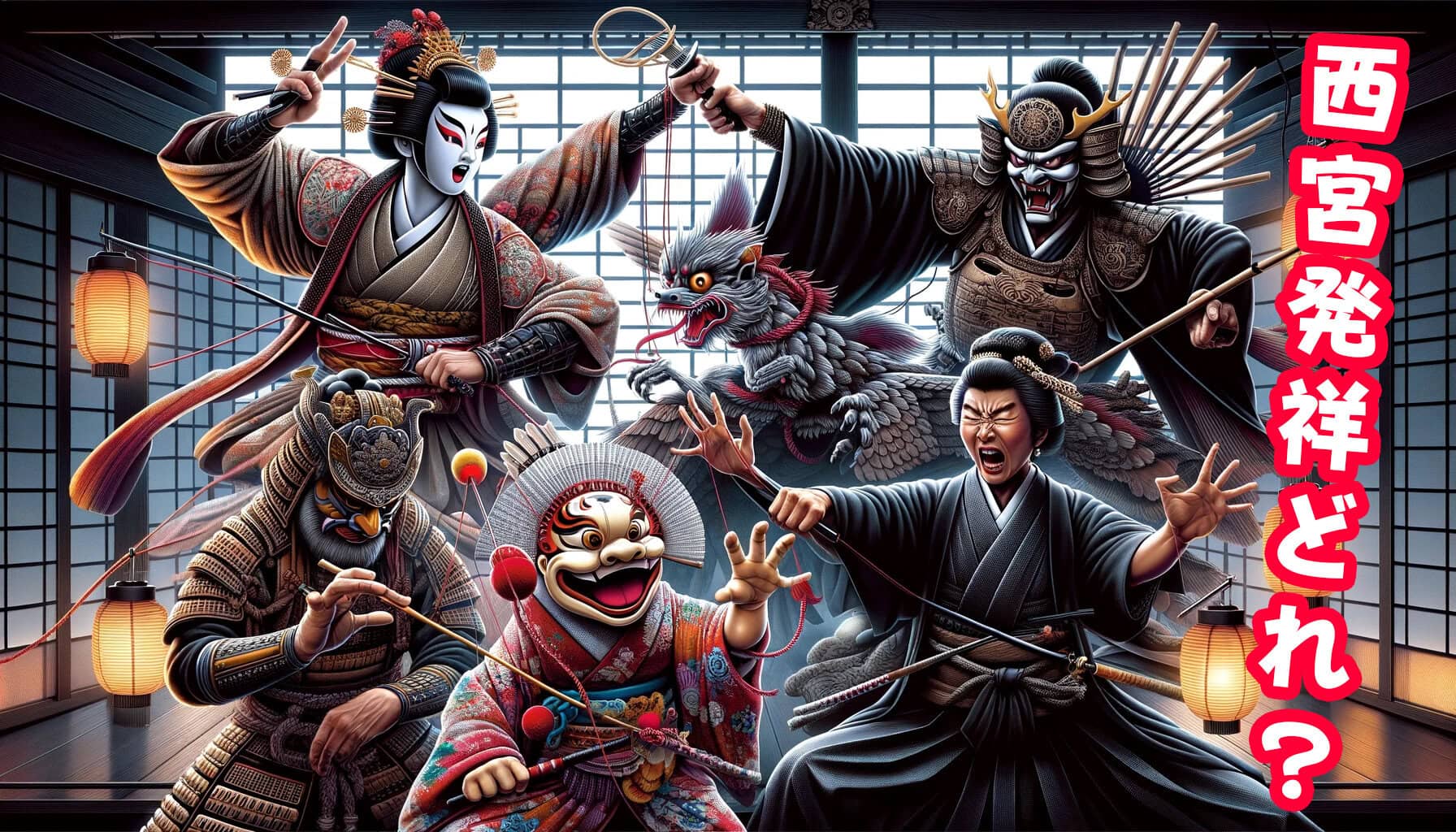

This is the Nishinomiya Quiz corner, where knowing the answer proves you’re a true Nishinomiya expert.
Here’s today’s quiz↓
Q. Which UNESCO Intangible Cultural Heritage originated in Nishinomiya?
a. Nohgaku
b. Ningyo Joruri
c. Kabuki
d. Rakugo
Nishi2 correct answer rate: 100%
If you haven’t seen the answer yet, give it a try♪
- 能楽17.4%(37票)
- 人形浄瑠璃72.8%(155票)
- 歌舞伎1.4%(3票)
- 落語8.5%(18票)
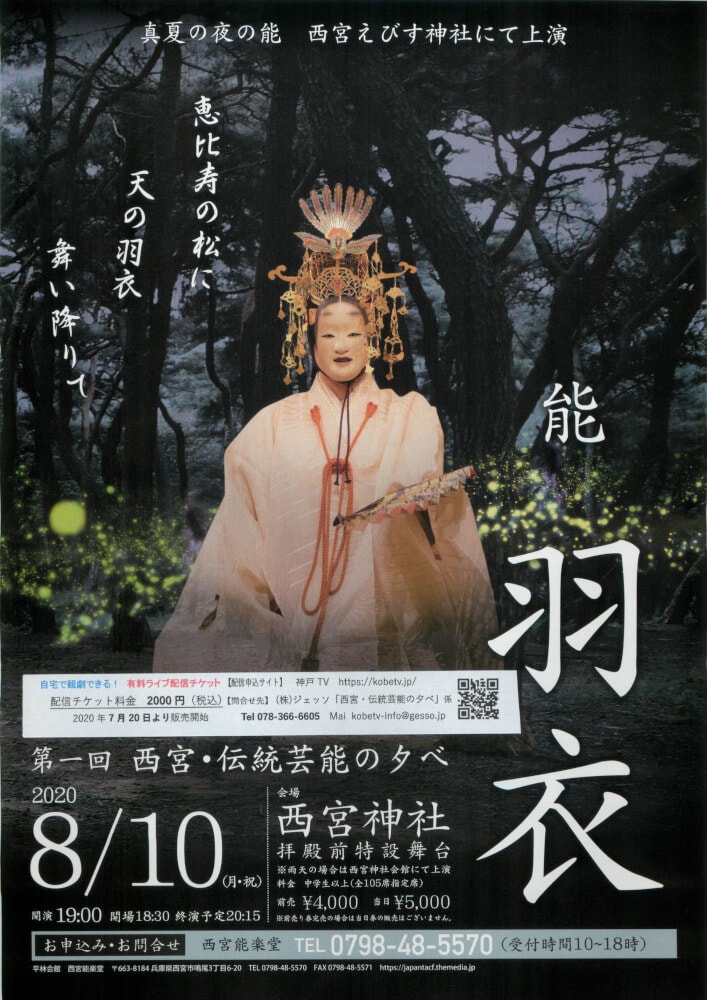
(This is a poster from 2020. Please note!)
Nishinomiya has the “Nishinomiya Noh Theater,” but Nohgaku apparently originated at Imakumano Shrine in Nara Prefecture~
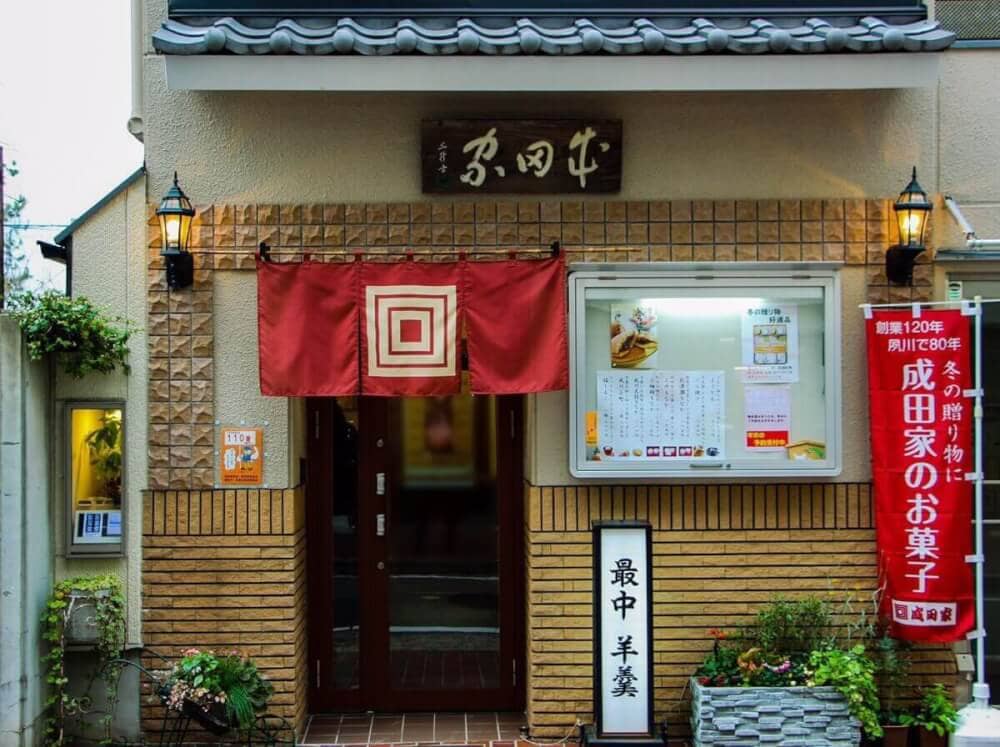
This is “Naritaya,” a Japanese sweets shop in Shukugawa. The sign reading “Naritaya” was written by the 10th-generation Kabuki actor Ichikawa Danjuro. By the way, Kabuki is said to have originated at Shijo Kawara along the Kamo River.
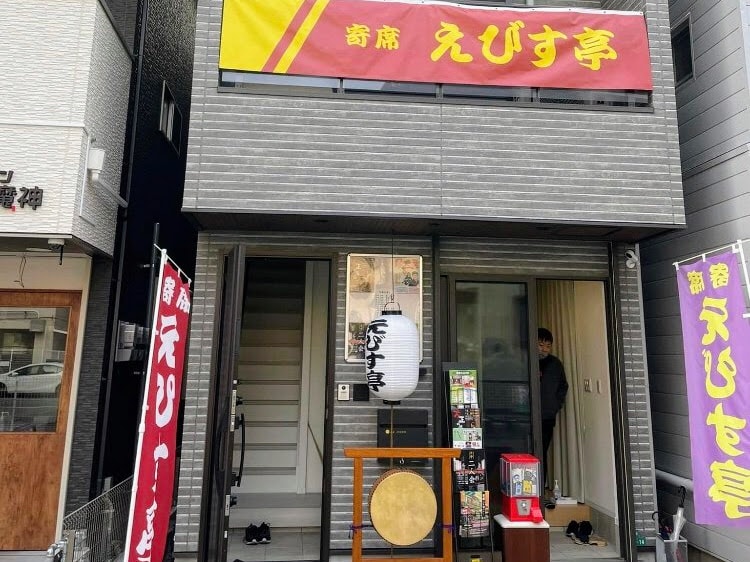
There’s a rakugo theater called “Ebisu-tei” in Hanshin Nishinomiya, where Tsukitei Hosei has also performed, but rakugo is said to have originated at Shitaya Shrine in Ueno, Tokyo.
The correct answer is d. Ningyo Joruri.
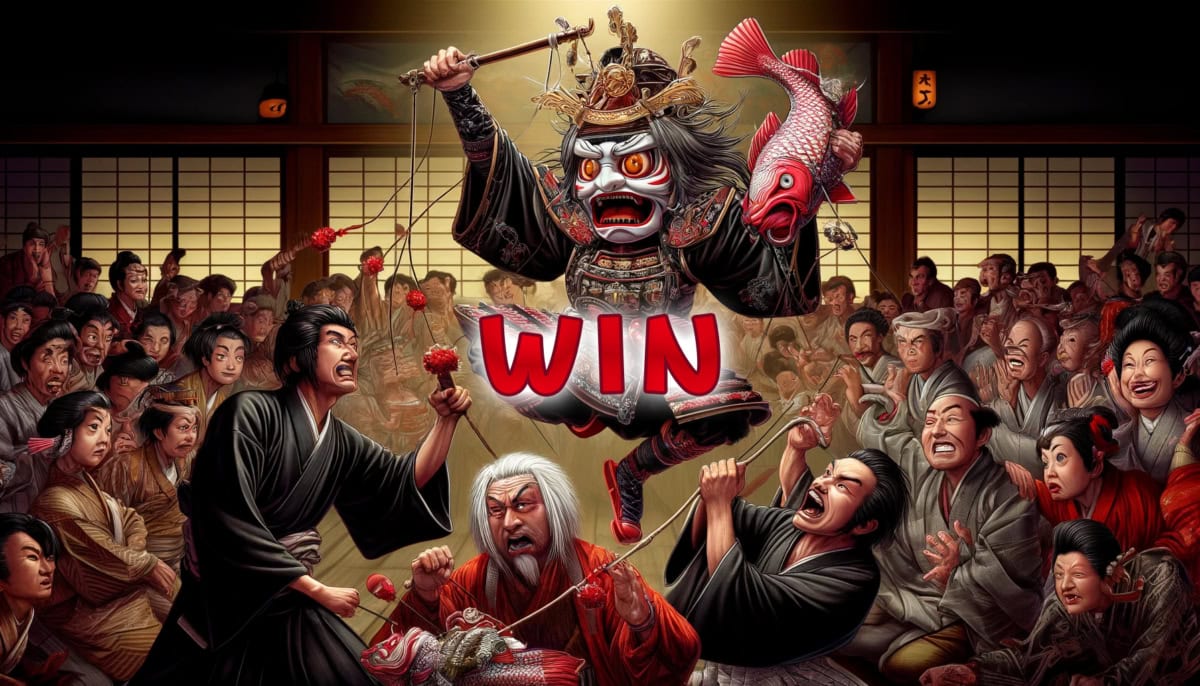
The beginnings of Ningyo Joruri are said to come from the kugutsushi puppeteers who performed puppet dances within the grounds of Nishinomiya Shrine. (To be a little more specific, the kugutsushi later moved to Awaji Island and Shikoku during the Edo period, which led to Ningyo Joruri.)
Still, the word kugutsushi (also read kugutsushi or kairaishi) really has an impact!
So, everyone~
Have you ever seen this near Nishinomiya Shrine?
Here it is↓
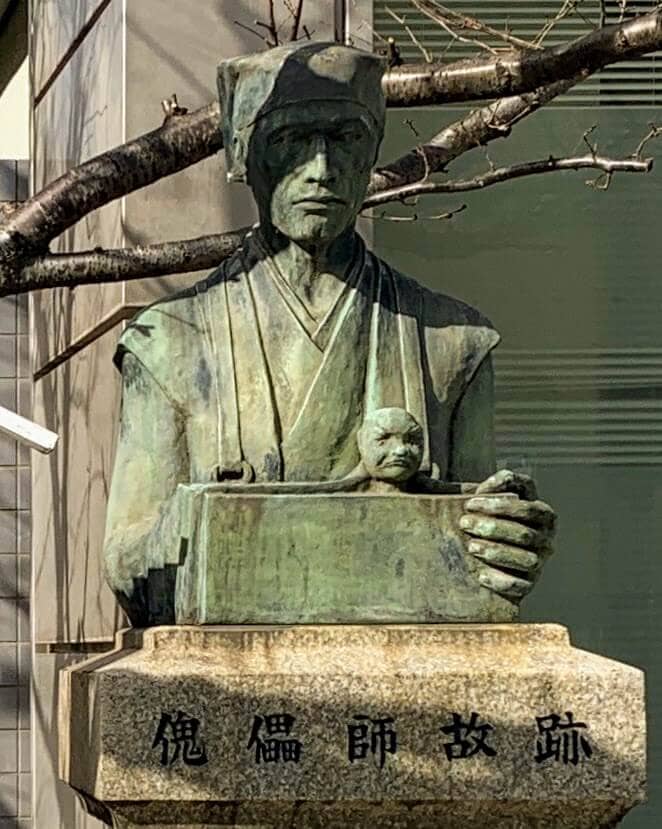
A look that fully lives up to the name
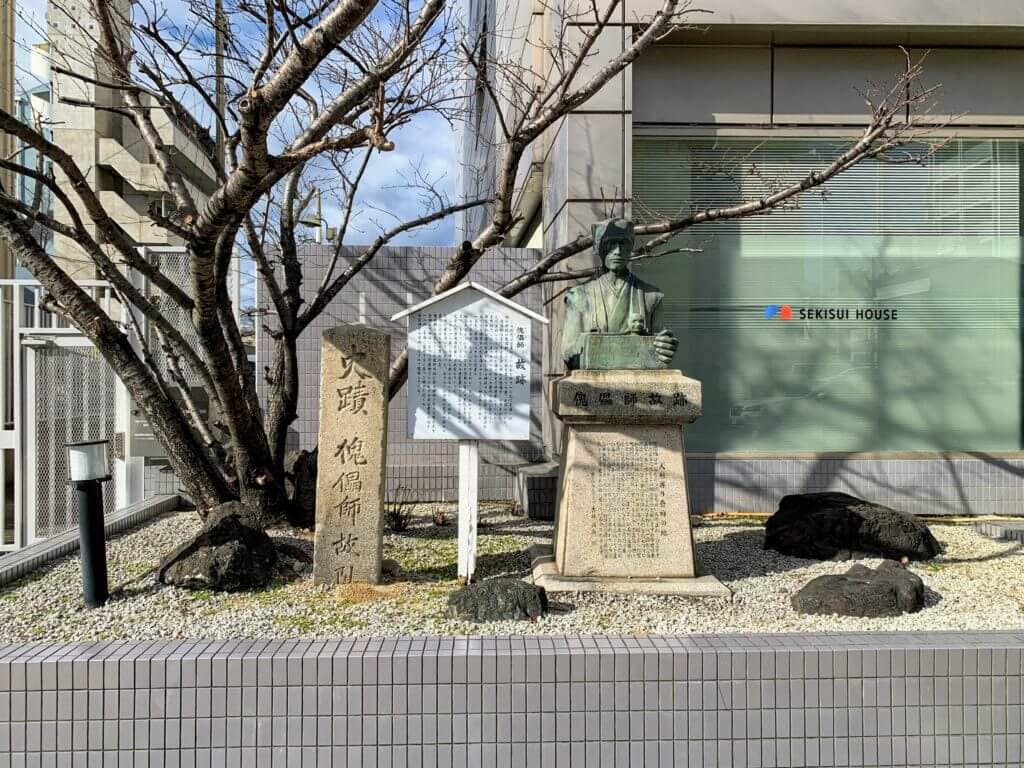
You’ll find it on the right after turning from National Route 2 onto Ebessan-suji, the street that leads to Nishinomiya Shrine. This bronze statue depicts a kugutsushi from that time.
And here is a modern-day kugutsushi↓
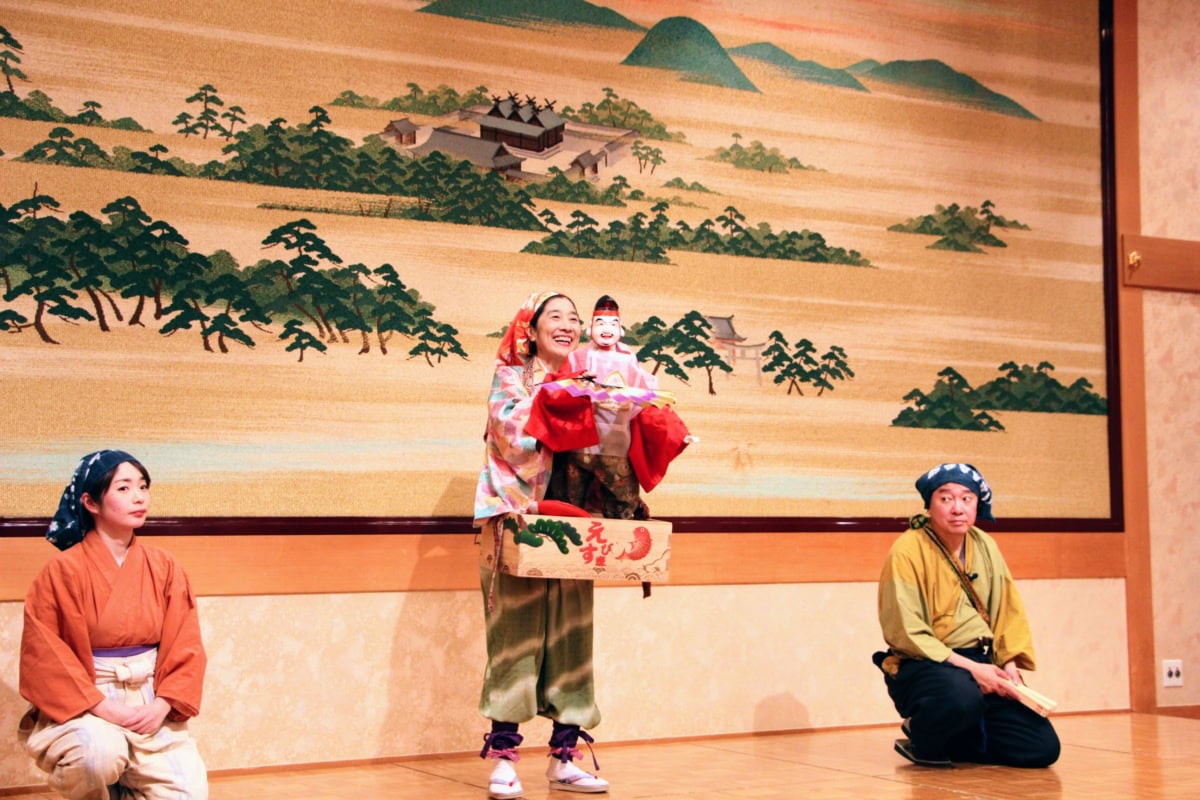
Kugutsushi performed a tradition called “Ebisu-kaki”, an art form that spread Ebisu worship throughout Japan while making an Ebisu puppet hidden inside a box dance.
They seem to have lived around Sansho-cho near Nishinomiya Shrine from around the Muromachi period, but the tradition once died out during the Meiji period.