

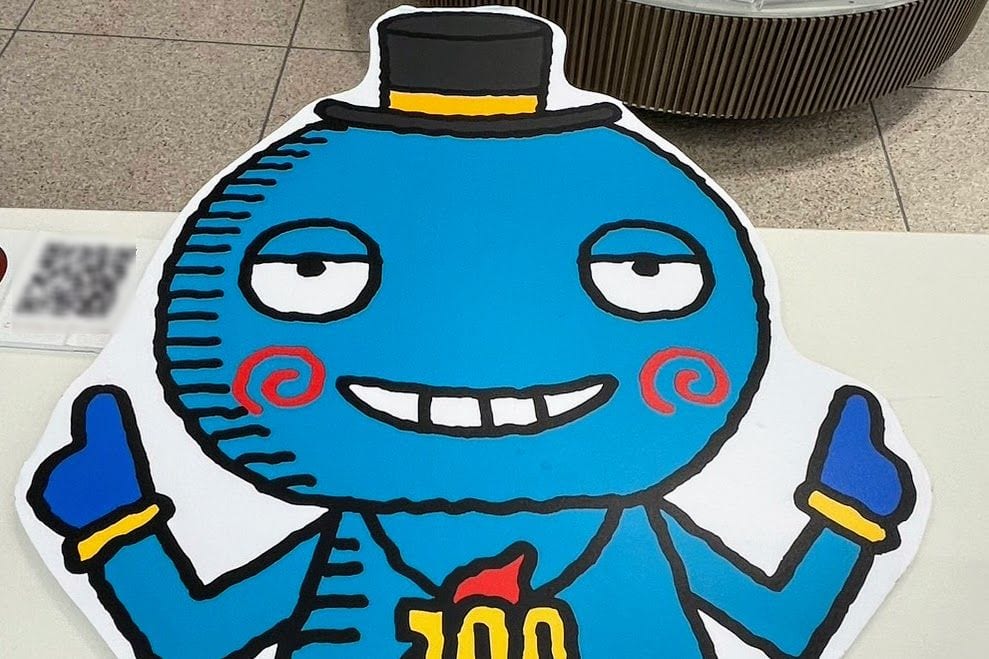

This is the “Nishinomiya Quiz” corner, where getting it right proves you’re a true Nishinomiya expert.
Here’s this time’s quiz↓
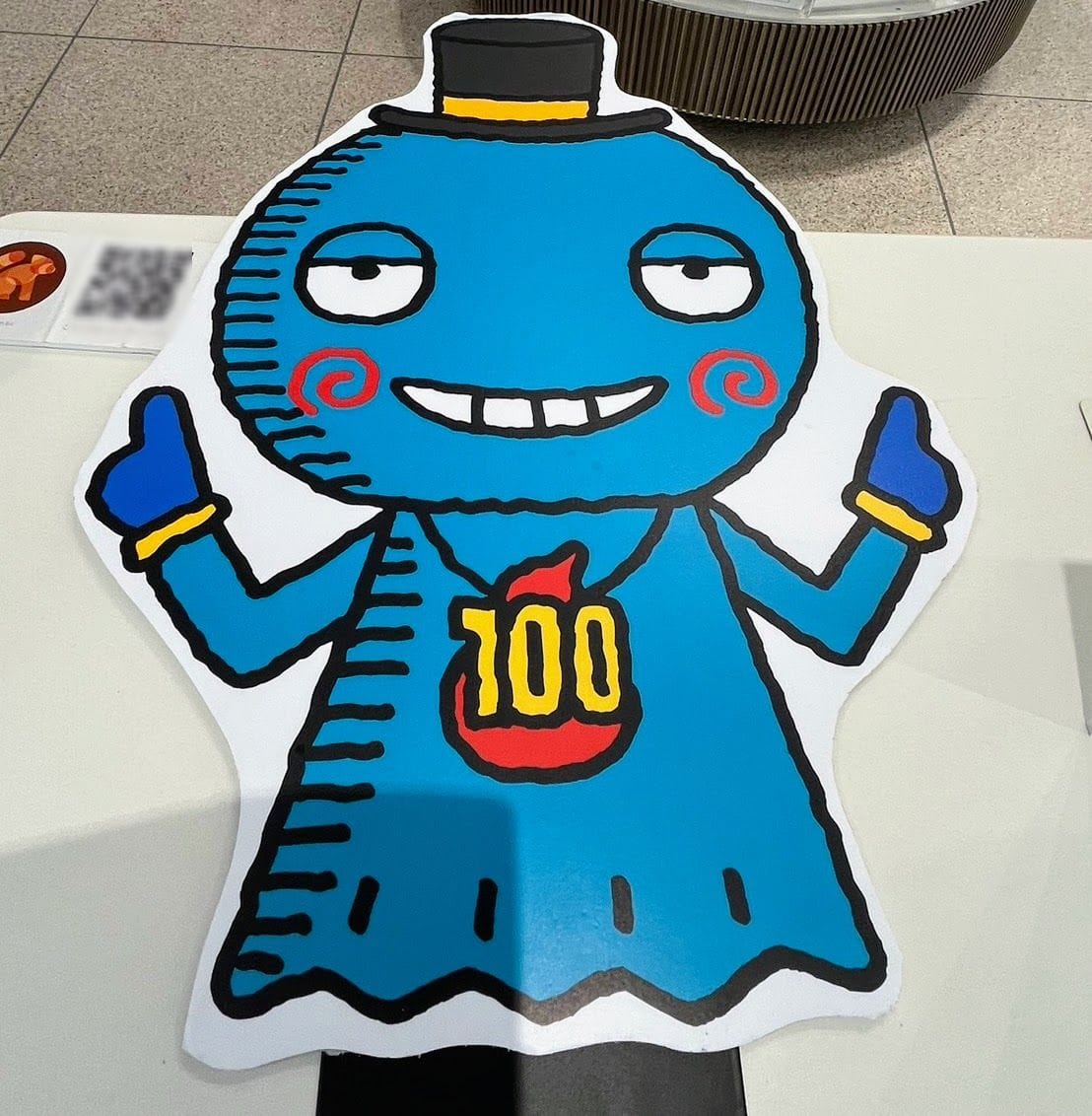
a. Yokai
b. Fairy
c. Angel
d. Demon
Nishi2 correct answer rate: 75%
If you haven’t seen the answer yet, give it a try♪
- 妖怪66.2%(98票)
- 妖精25%(37票)
- 天使0%(0票)
- 悪魔8.8%(13票)
↓
↓
↓
↓
↓
↓
↓
↓
↓
↓
↓
↓
The correct answer is a. Yokai.
The original Miyatan is a “water fairy,” but this Miyatan seems to be a yokai. If you look closely, it has no feet
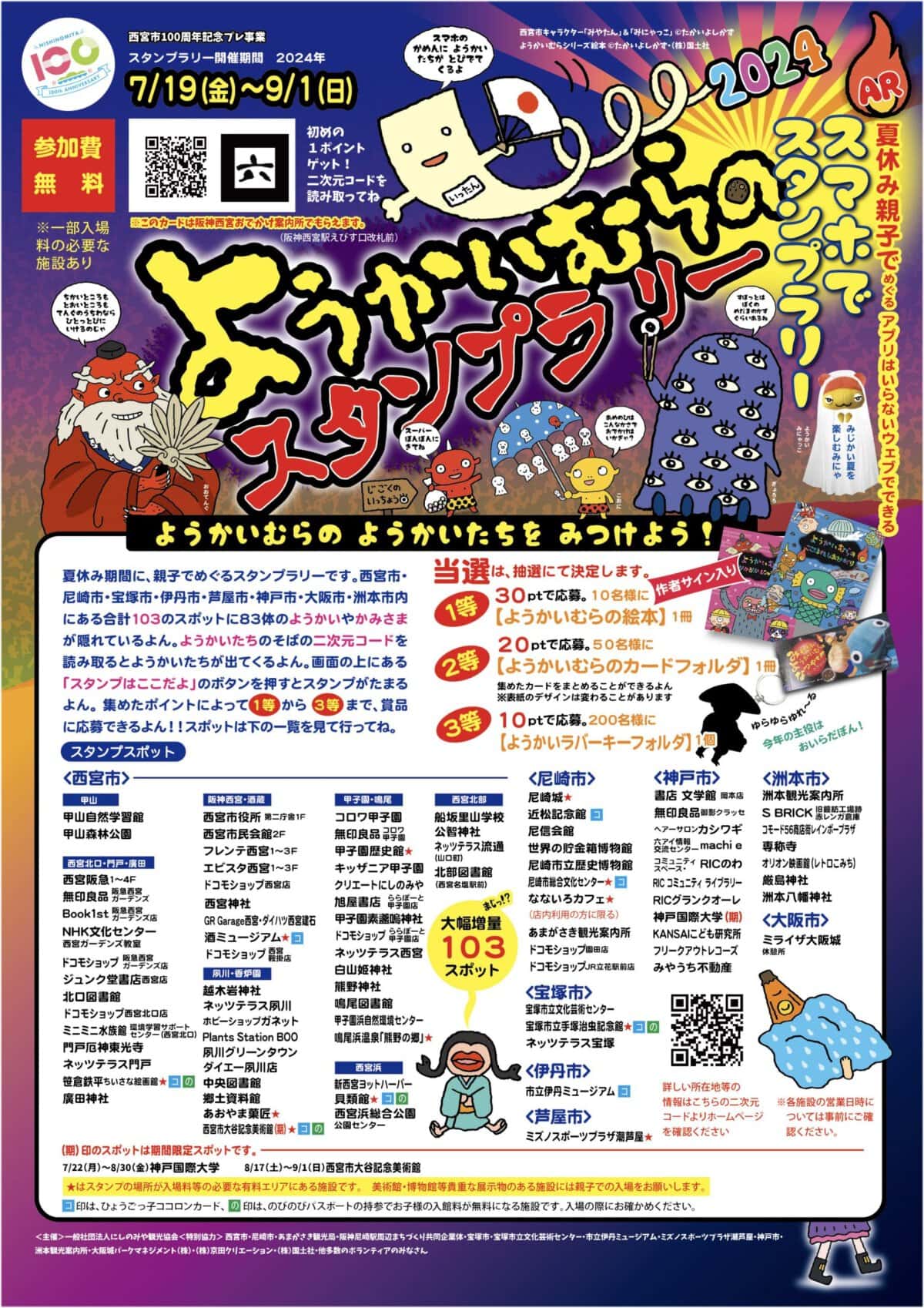
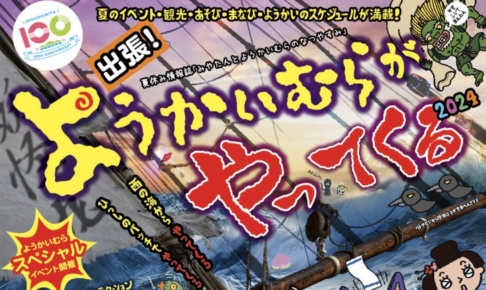
At the hugely popular “Miyatan and the Stamp Rally” event, you can get stamps and cards featuring 83 yokai, including this yokai version of Miyatan.
The difference between yokai and fairies
Since we’re here, I looked up and summarized the differences between yokai and fairies.
| Feature | Yokai (ようかい) | Fairy (ようせい) |
|---|---|---|
| Cultural background | Japanese folklore, Shinto, Buddhism | European folklore |
| Origins | Old tales from Japan, explanations of natural phenomena | European legends |
| Nature | Beings that inspire fear Their shapes and personalities vary widely | Often small and beautiful, frequently with wings Friendly or mischievous |
| Role | Explaining social norms Explaining natural phenomena and teaching lessons | Guardians of nature and plants Have magical powers and help humans |
| Examples | Kappa, tengu, nurikabe | Tinker Bell, pixies |
| Main depictions | Strange-looking beings They may cause harm to humans | Beautiful and small beings They often grant human wishes |
| Influence | Ghost stories, yokai art Modern pop culture | Fairy tales, fantasy literature Modern movies and anime |
Also, fairies are generally described as beautiful and small beings, which is said to be one of their defining traits.
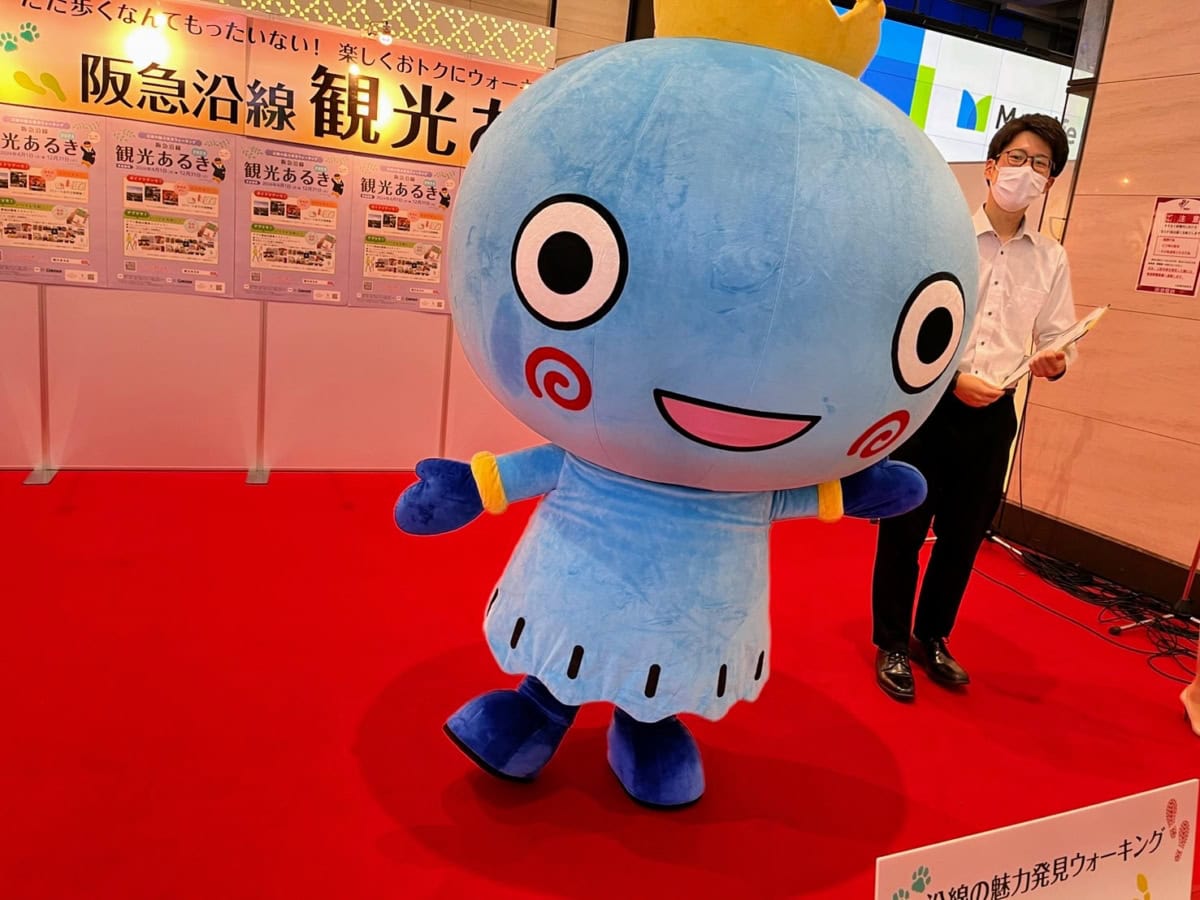
Now I’m starting to wonder if it’s really a fairy. lol