

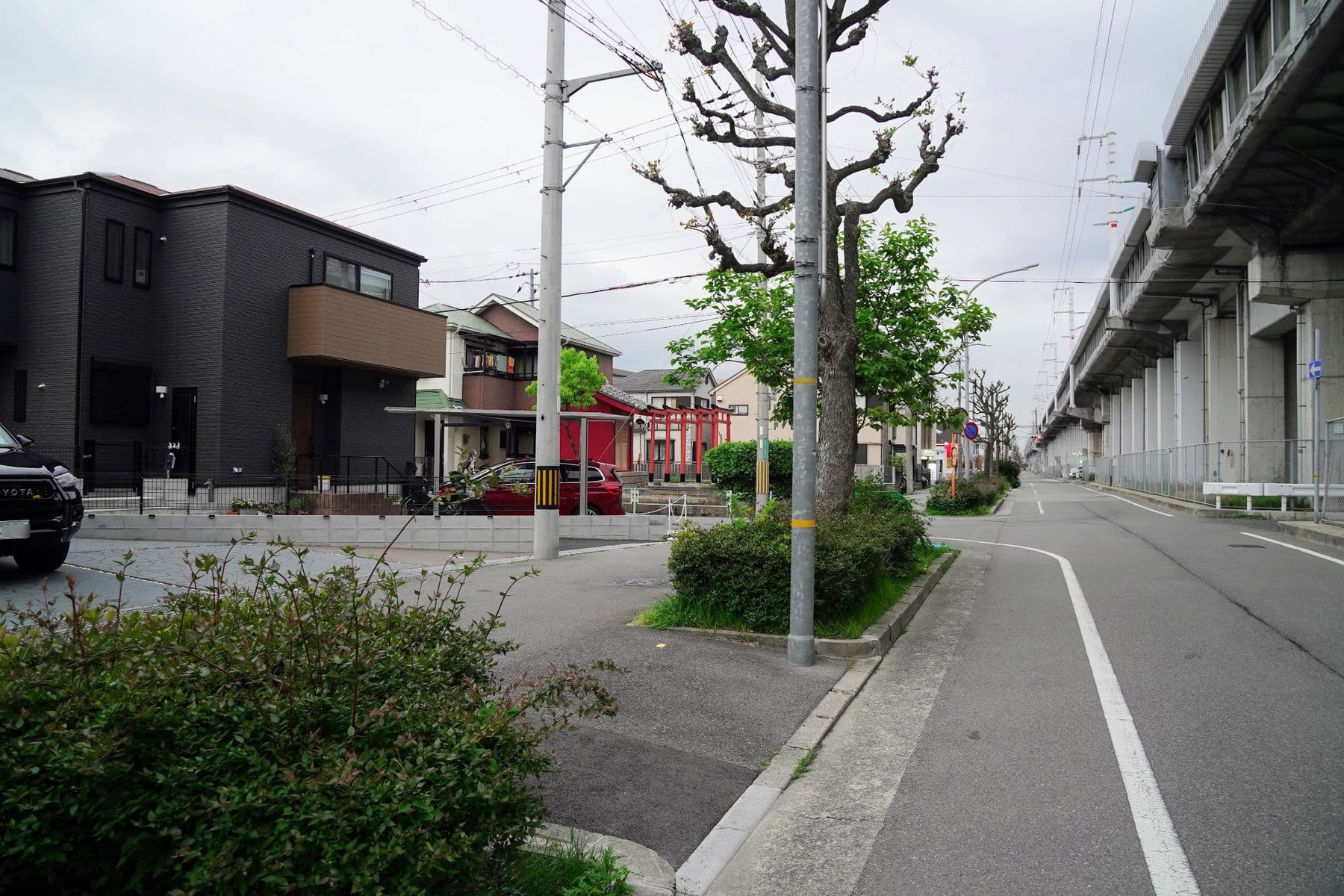

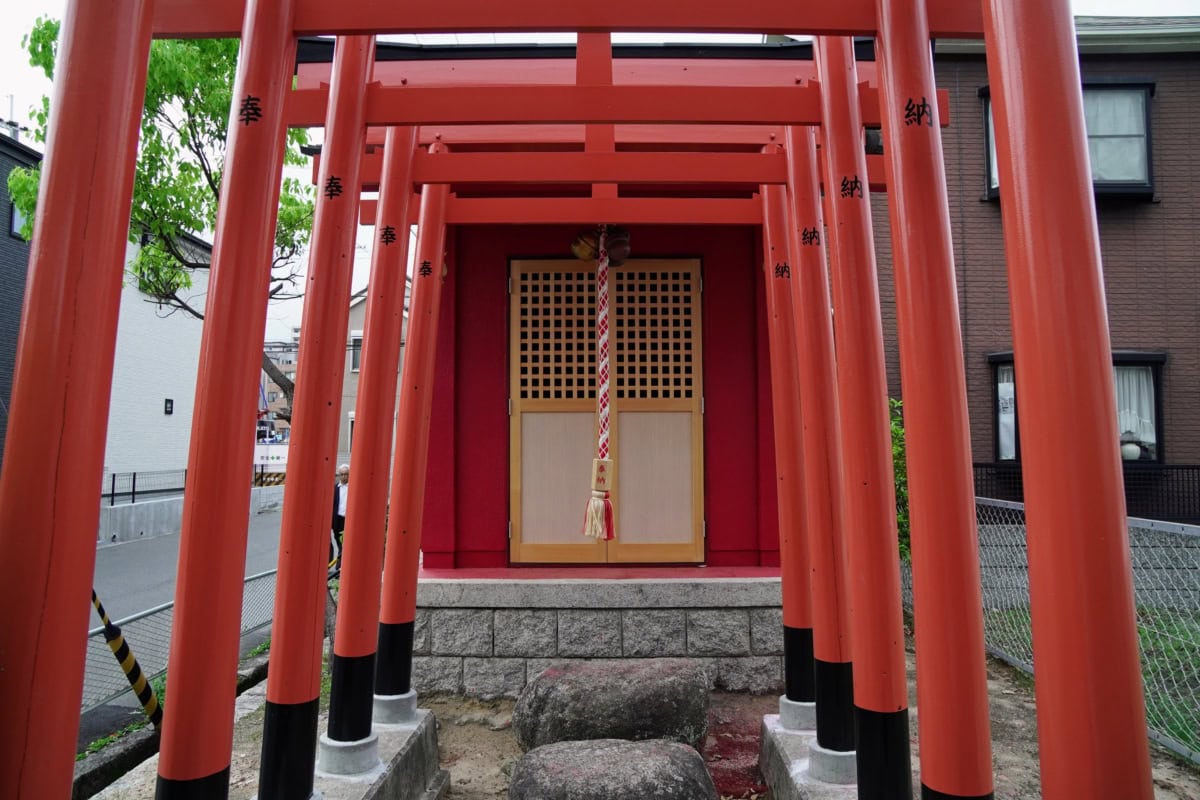
The torii gate in Kamioichi along the Shinkansen elevated tracks has been spruced up.
(Thanks to Ashinaga-san for the tip.)
Here it is↓

It’s now a beautiful vermilion color.
Here’s the location on the map↓
The address is around 1-6 Kamioichi, Nishinomiya, Hyogo.
In 2022↓
It was a pretty old torii gate.
March 2↓
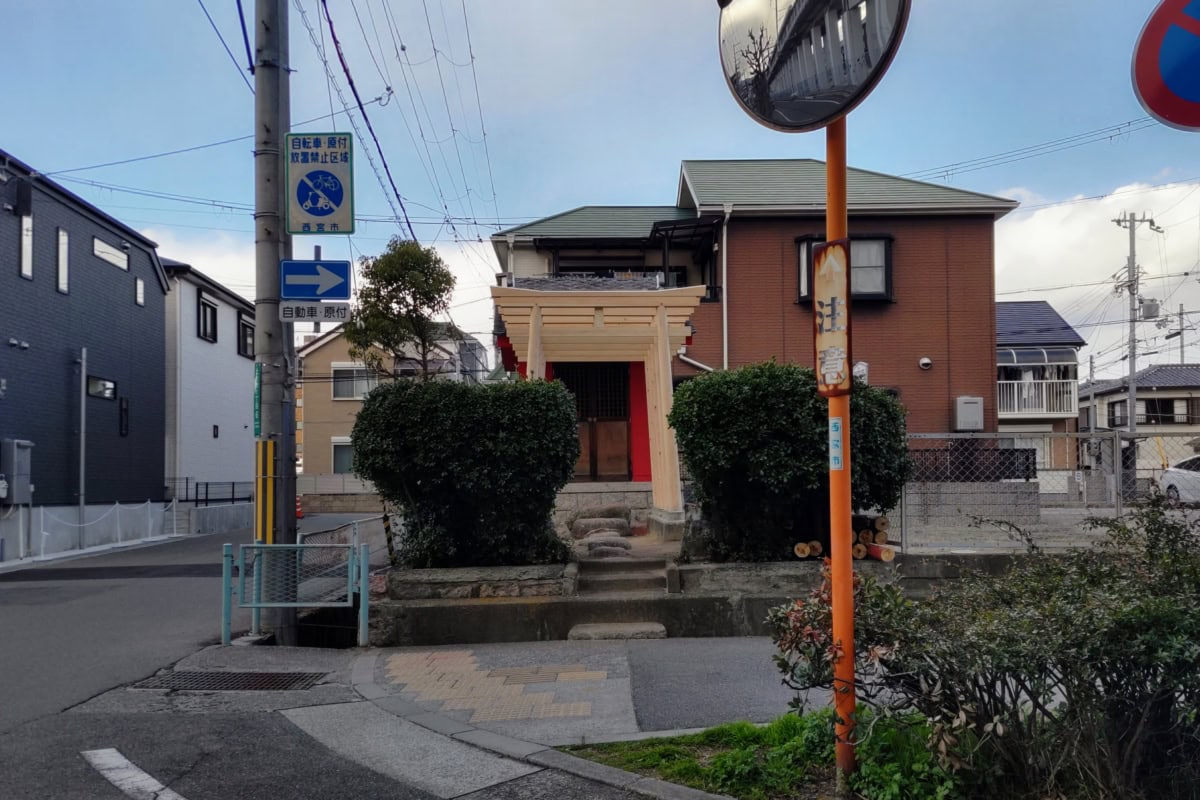
Maybe it had just been replaced, because it was still bare wood.
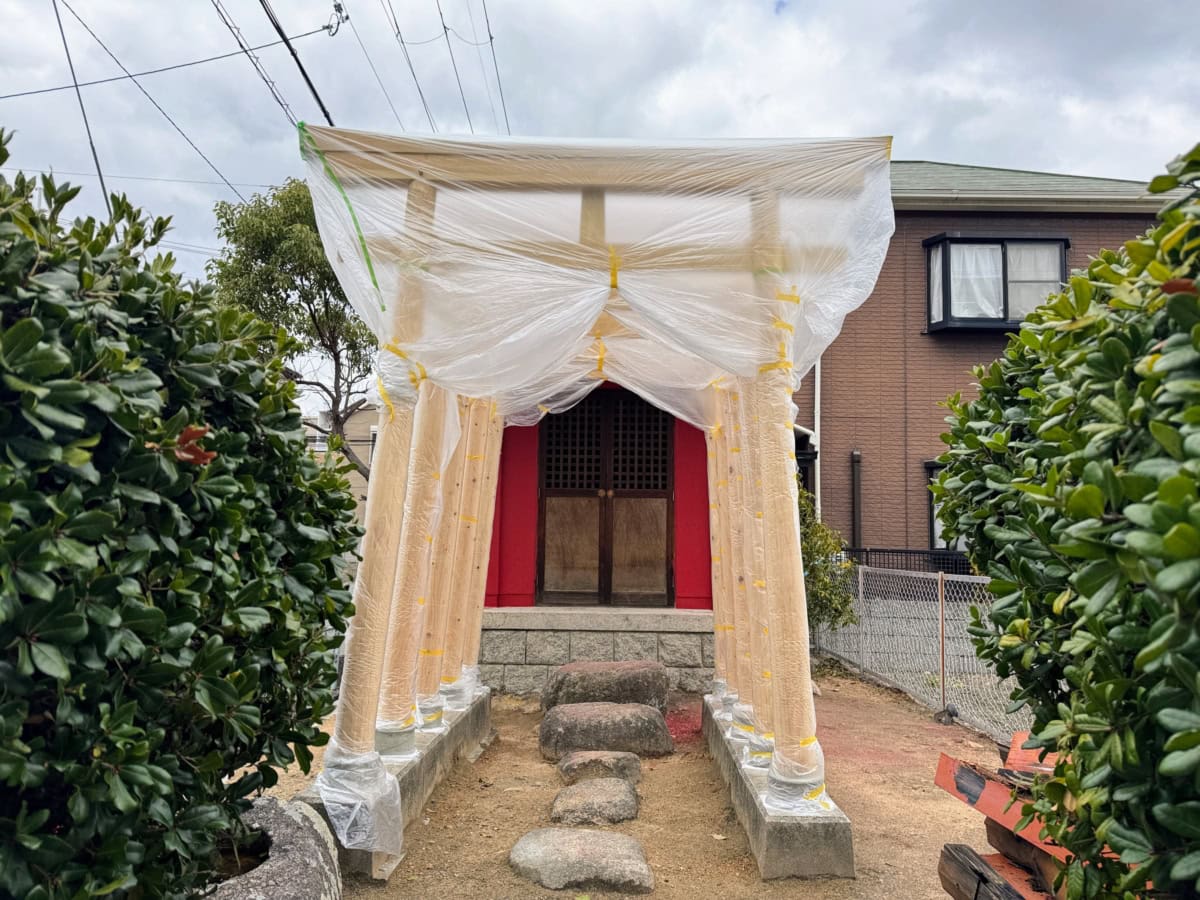
By March 7, it had been covered with a bag. Also take a look at the small shrine building in the back.
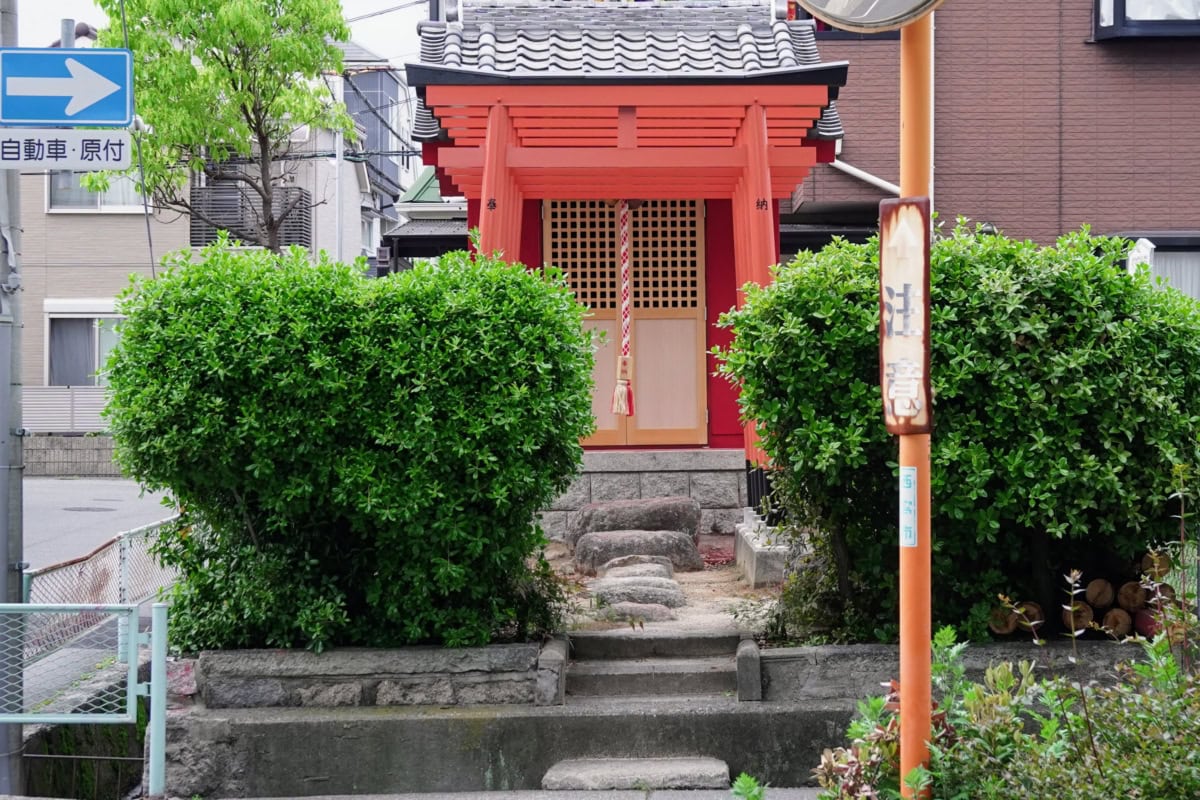
As of 4/23, the torii had turned vermilion, and the doors of the shrine building had also been cleaned up nicely.
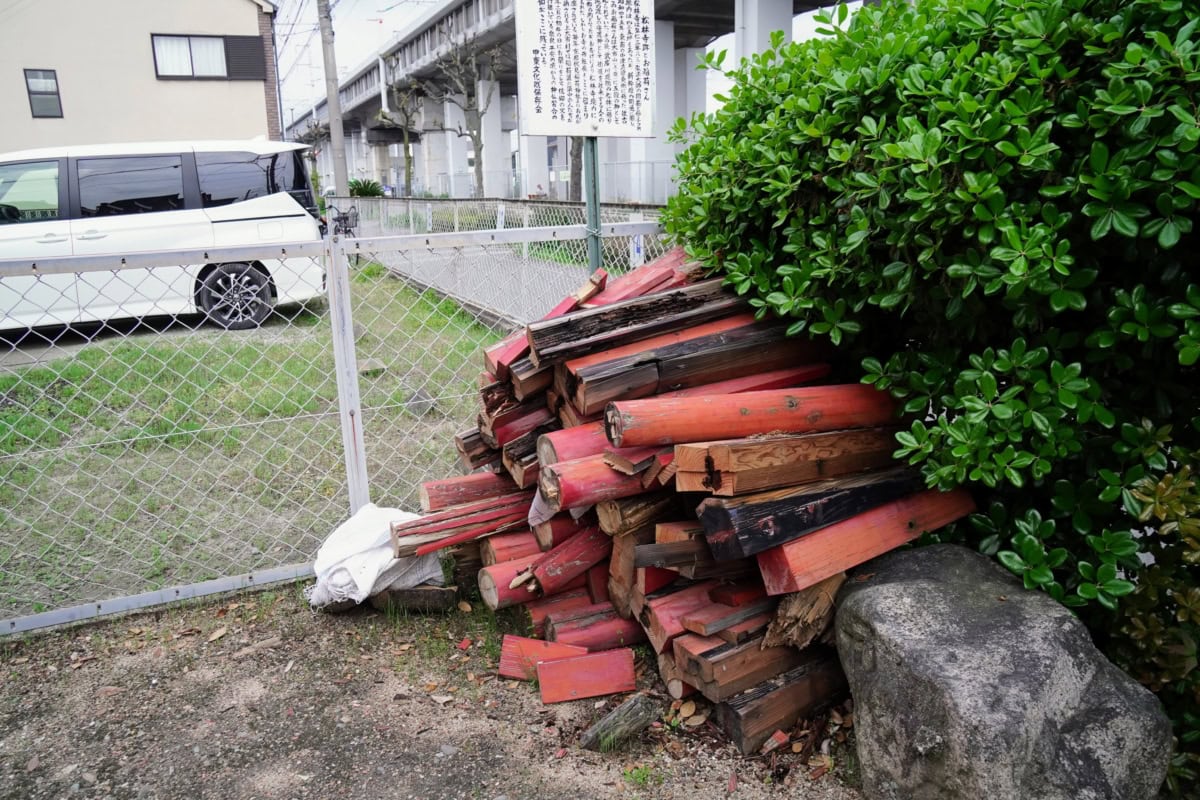
What used to be the old torii gate was placed right next to it.
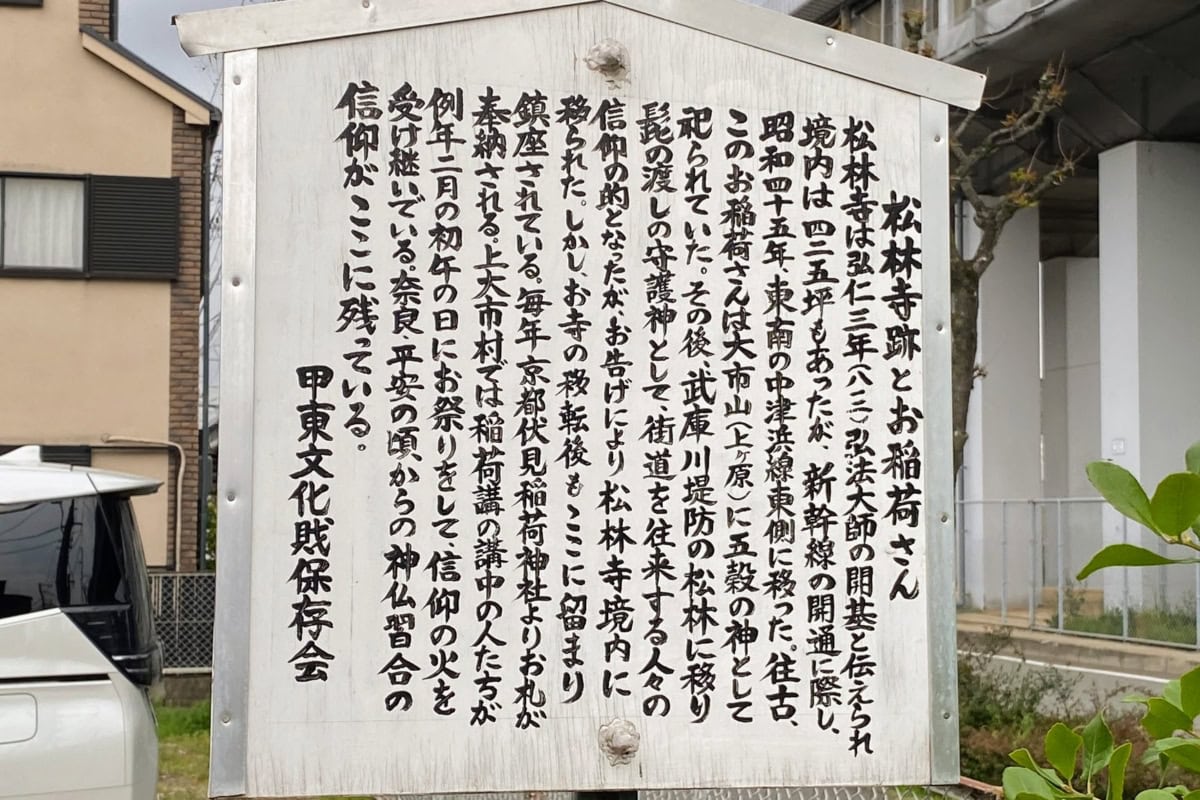
This torii gate seems to stand on what was originally the former site of Shorinji Temple, where Oinari-san was enshrined. I looked into what was written here just a little bit.
Shorinji Temple was founded by Kobo Daishi and apparently once had a vast temple precinct, but when the Shinkansen opened, it had to move locations.
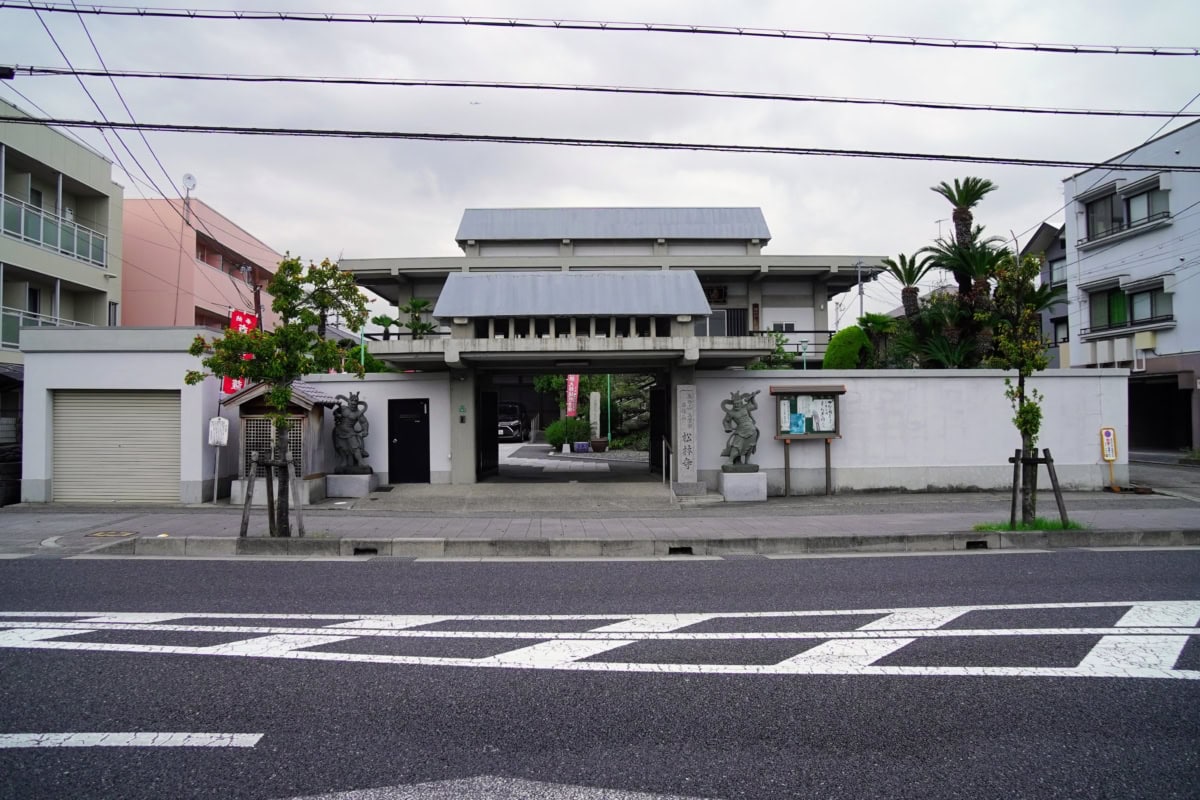
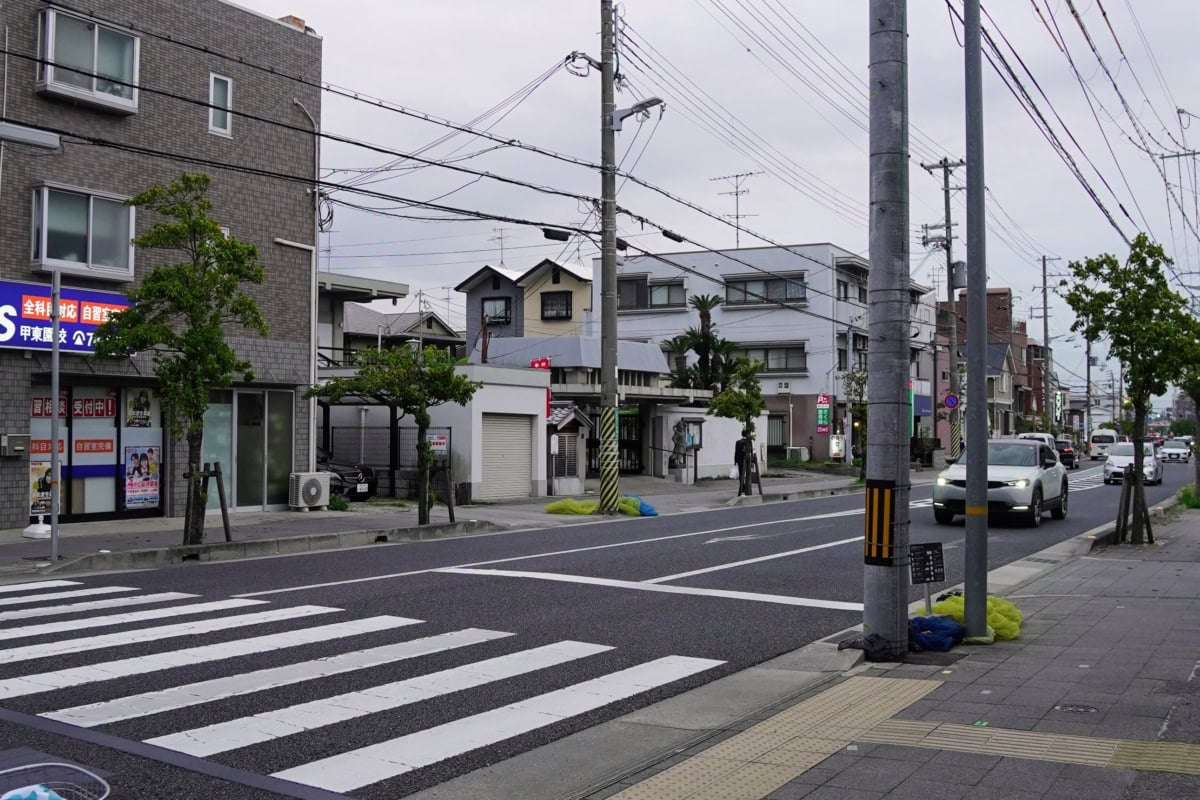
It seems Shorinji Temple was moved to its new location in Showa 45, from along the Shinkansen tracks to a nearby spot southeast of here, on the east side of the Nakatsuhama Line.
Some of you might be wondering, “Wait, why is there a Shinto torii gate at a Buddhist temple?” So to put it in modern terms:
This photo is Tokoji Temple↓
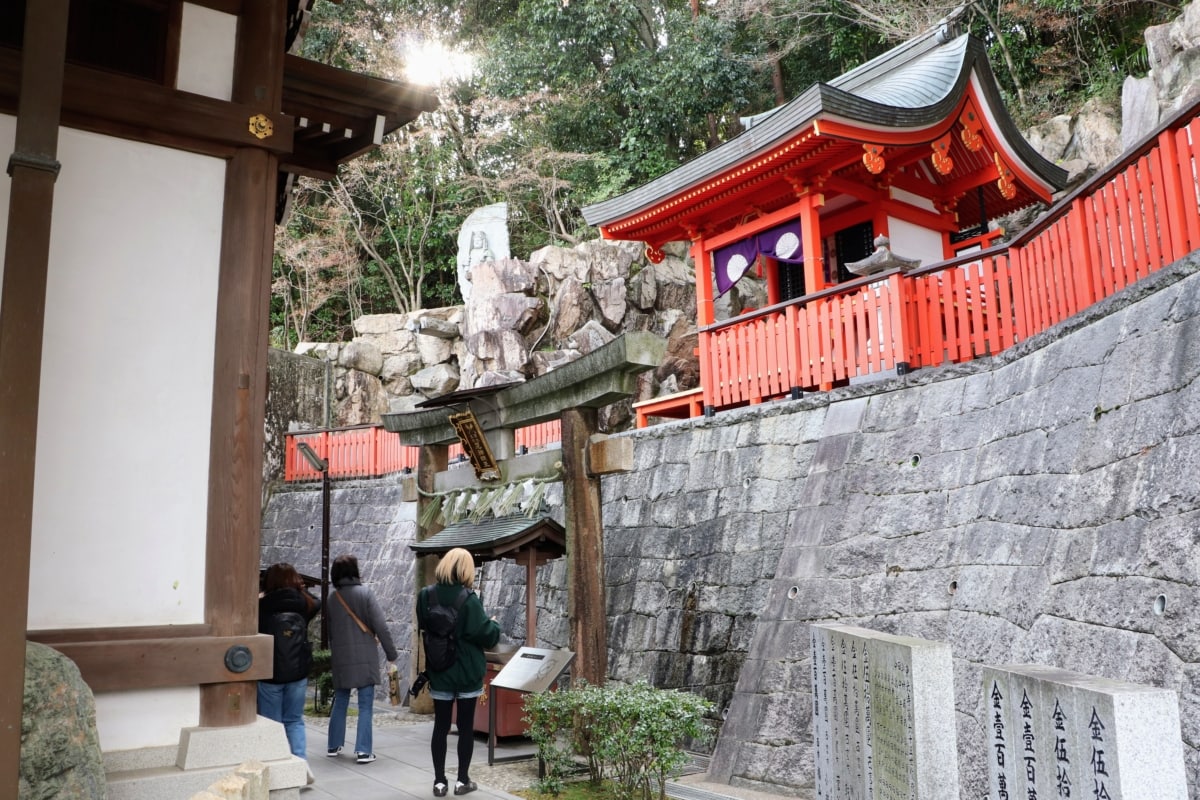
Back in the Nara and Heian periods, there was something called shinbutsu-shugo, the blending of Shinto and Buddhism. In simple terms, it was kind of like “Let’s celebrate the gods and Buddhas together!” Then in the Meiji era, Japan shifted toward making Shinto central to the country, and it became more like, “Let’s go our separate ways.” Strictly speaking, there may be some parts that are a bit different, though.
Now, let’s get back to Oinari-san.
This “Oinari-san” was originally enshrined in Uegahara. Later, it was moved to a place along the Saigoku Kaido, near Hotoku Gakuen, in the pine woods by the Mukogawa riverbank, at a spot called “Hige no Watashi” (where there used to be a ferry crossing). It seems to have long been worshipped as a guardian of travelers’ safety.
Following a divine message, it was moved to the grounds of Shorinji Temple at its current location, and even after the temple itself relocated, it has remained here. I’m curious who received that message, and what it was like.
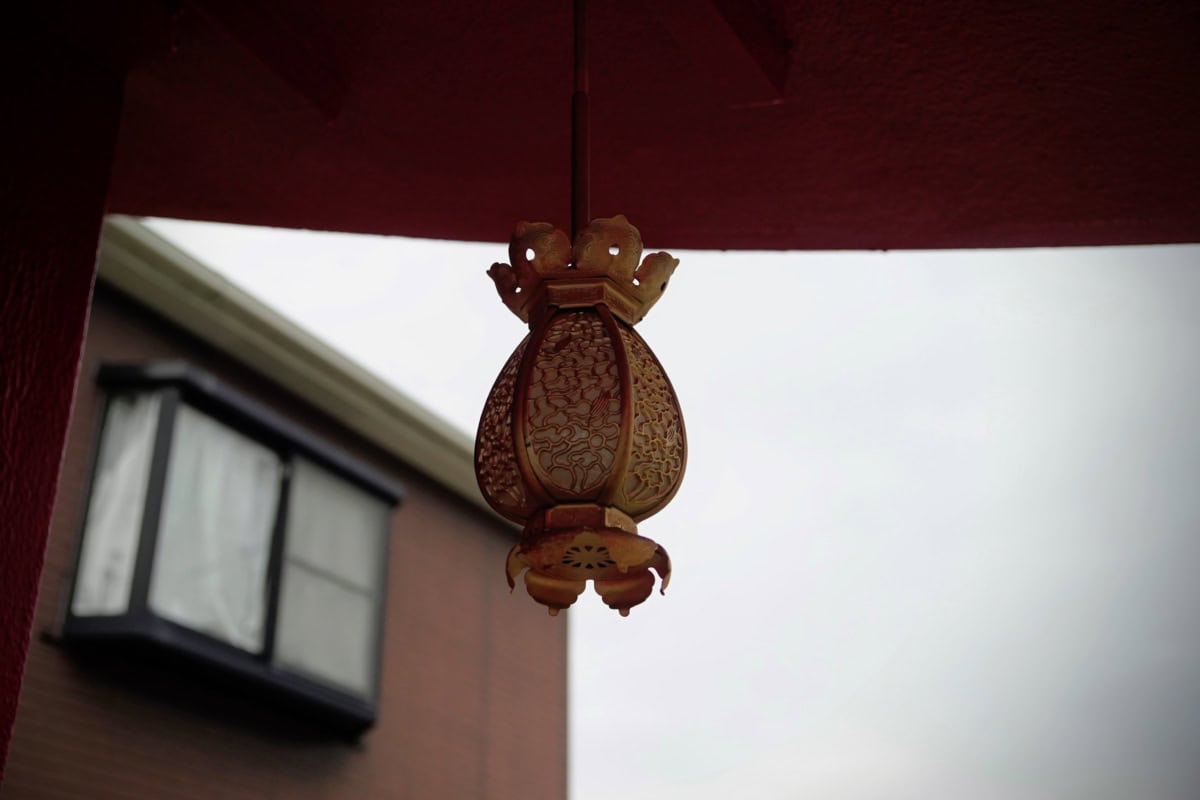
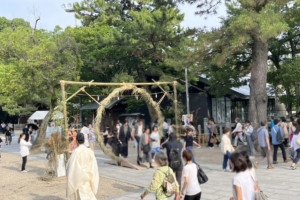
Every year, a talisman is delivered from Fushimi Inari in Kyoto, and local residents hold a festival on the first “horse day” of February (the first horse day in February, the day when the deity of agriculture is said to have descended at Fushimi Inari Taisha in Kyoto, the head shrine of Oinari-san. This year it was 2/12), continuing to cherish this old faith.
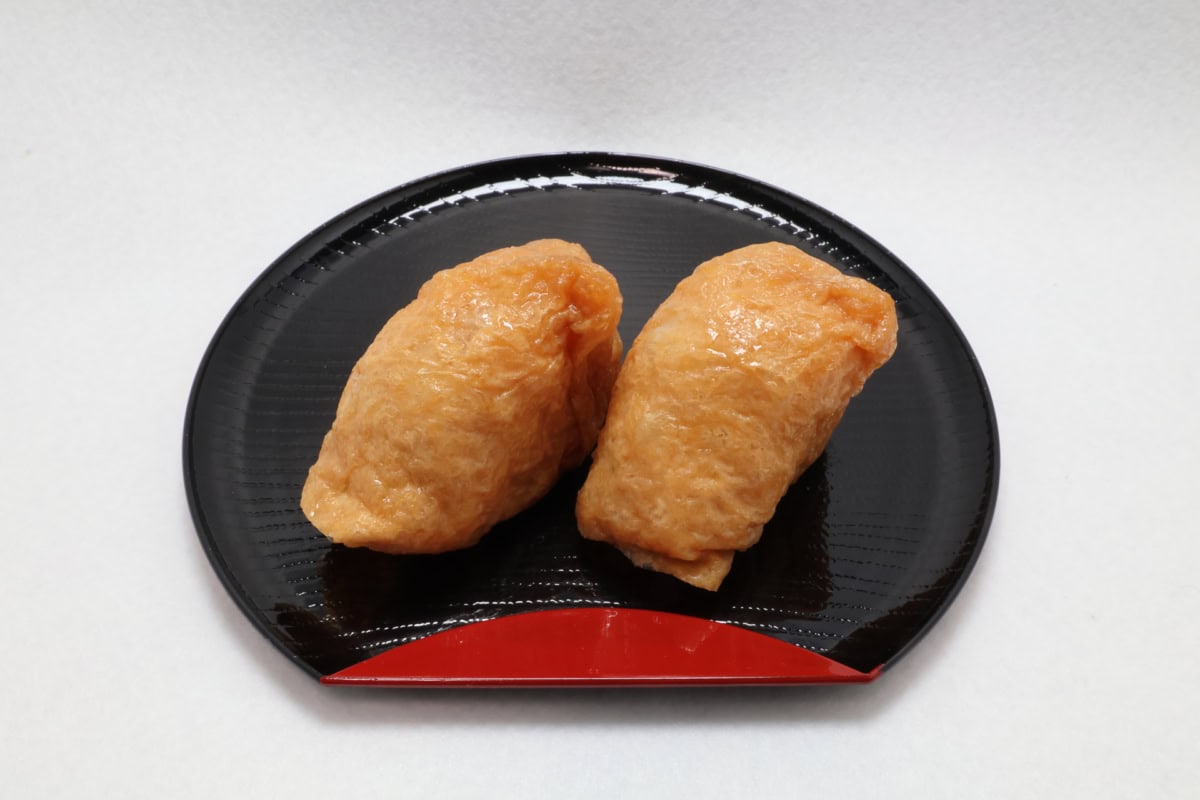
Fried tofu is said to be a favorite food of foxes, the messengers of Inari. In Kansai, these sushi pockets are called “Oinari-san,” while in Kanto they seem to be called “inarizushi.” It might be nice to make a yearly habit of eating them around this time. Now I’m getting hungry.
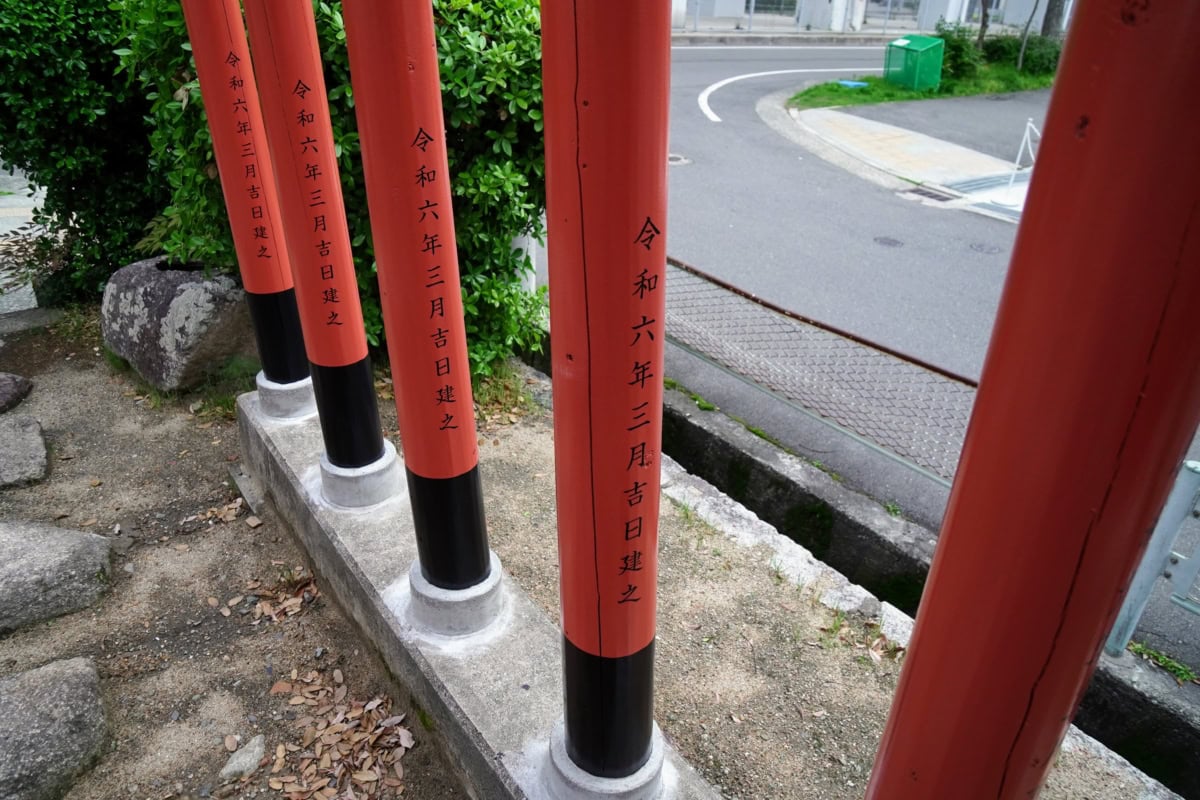
Apparently it turned vermilion in March.
Every once in a while, it might be interesting to look into the history behind Nishinomiya’s small torii gates, Jizo statues, and other little local landmarks.
※Ashinaga-san, thank you for the tip!!
■■■We’re looking for your tips!■■■