

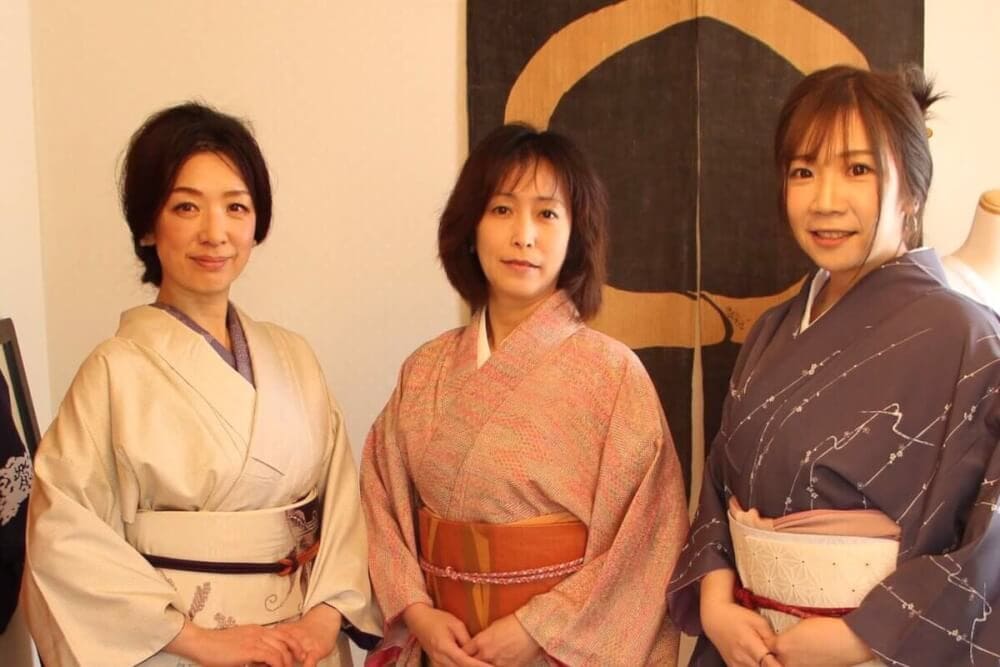

The shop we’re introducing this time is
Kimono Dressing Class “纏う” in Koyoen Nishiyama-cho!

Kimono Dressing Class “纏う”
★Class Hours ☆Self-dressing Class
- Mondays 10:00~12:00
- 2nd and 4th Thursdays and Fridays Morning session 10:00~12:00 Afternoon session 14:00~16:00
- 1st and 3rd Sundays Morning session 10:00~12:00
- (Evening session 18:30~20:30)Not currently open, please inquire
★Class Hours ☆Professional Kimono Dresser Course
- 2nd and 4th Wednesdays Morning session 10:00~12:00
- (Evening session 18:30~20:30)Not currently open, please inquire
★Monthly Tuition (Fixed day)☆Self-dressing Course(Small class size: 2~3 people)
- Mondays, Thursdays, Sundays Twice a month ¥4,500
- Ticket package(valid for 6 months)Take 6 lessons for the price of 5, ¥16,500, saving you one lesson fee
(Available from once a month depending on day, time, etc.)
☆Professional Kimono Dresser Course Twice a month
- Beginner ¥5,940
- Intermediate / Advanced ¥7,020
☆Private Lesson ¥5,000 per lesson(2 hours)
(Ticket package available. 6 lessons for ¥25,000)
★Contact uruuruh26@gmail.com
★Address 5-28 Koyoen Nishiyama-cho, Nishinomiya-shi, Hyogo
★Parking Please inquire(If you come by train, the road is very steep, so they can pick you up at the station by car.)
★Related Links
Facebook / Instagram
(※Prices, menu details, and other information are as of the time of coverage. Please check directly with Ishii-sensei for the latest details.)
They welcome everyone, from complete beginners to people who learned in the past but have forgotten, or those who only want to work on specific points they struggle with.
Kimono and obi are available to borrow.
For those who cannot leave home, such as people with children, traveling lessons are also available.(Separate travel fee required)
★In addition to classes,
- On-site kimono dressing(hair styling available)
- Consultations for organizing Japanese-style clothing chests(home visits available)
- Kimono alterations
Show us the classroom!
Now then, let’s go visit Kimono Dressing Class “纏う”!
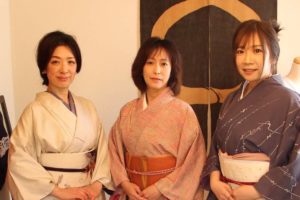
The teacher at the kimono dressing class is Miyuki Ishii-sensei!
She also appeared before in “Miyagao,” our feature introducing Nishinomiya residents!
Take a look at that too▼
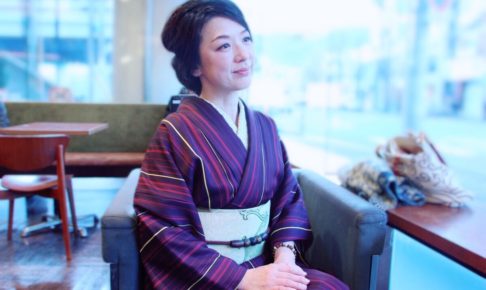
She runs her kimono dressing class in Koyoen, where her home is located.
This is also a family school of Kyoto Kimono Gakuin Kyoto Main School.
Because of that, this is a class where you can also obtain a license approved under Cabinet Office transition authorization.
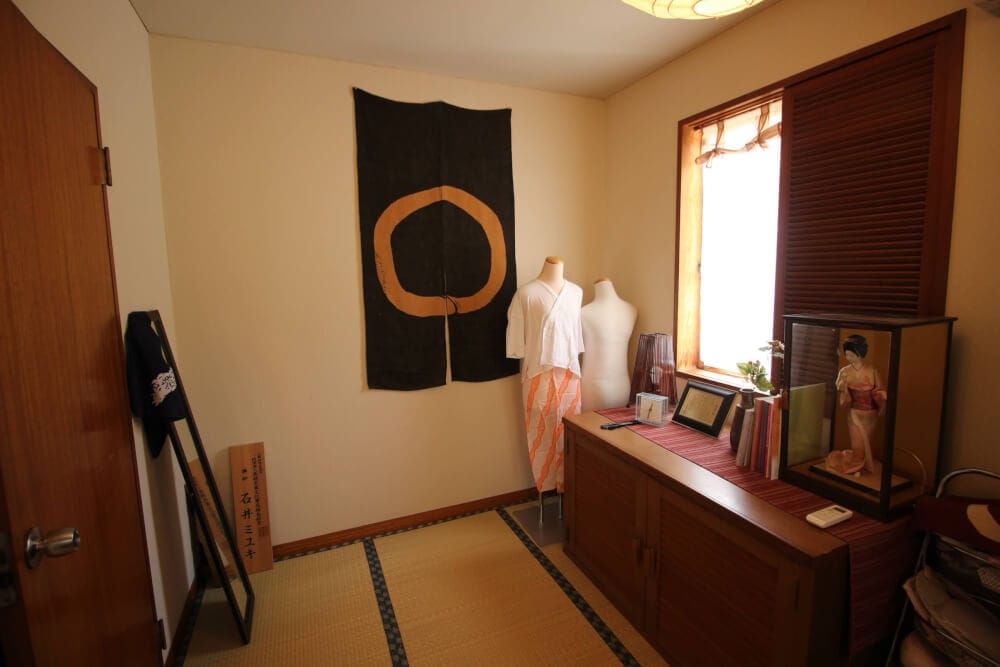
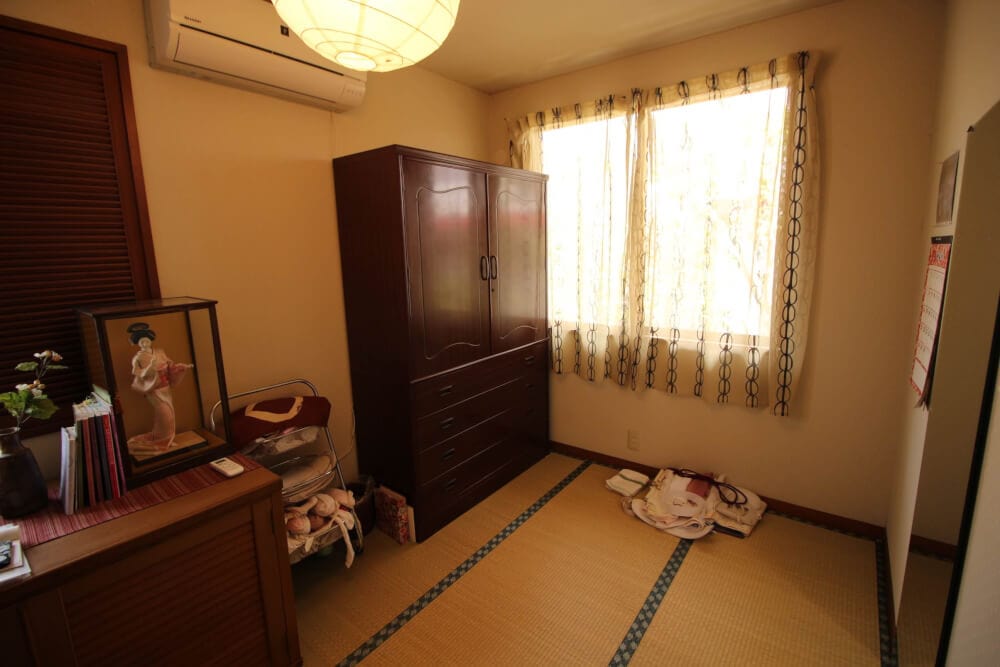
In this cozy room, she teaches up to four students at a time.
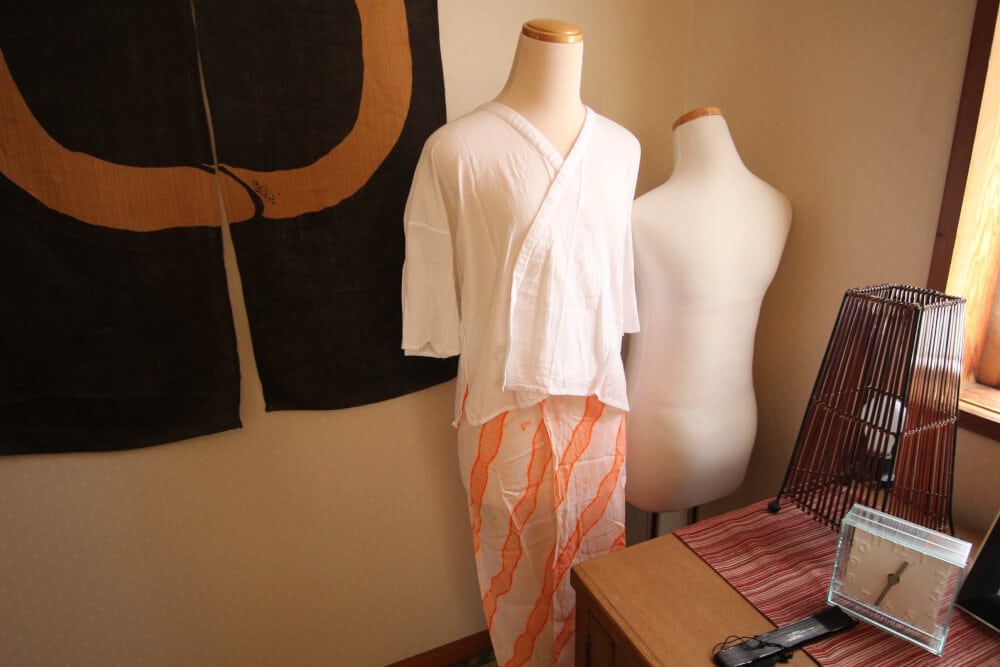
There’s also a mannequin, and she teaches students who want to become professional kimono dressers as a job.
In this room, there are certificates recognizing her as an instructor,
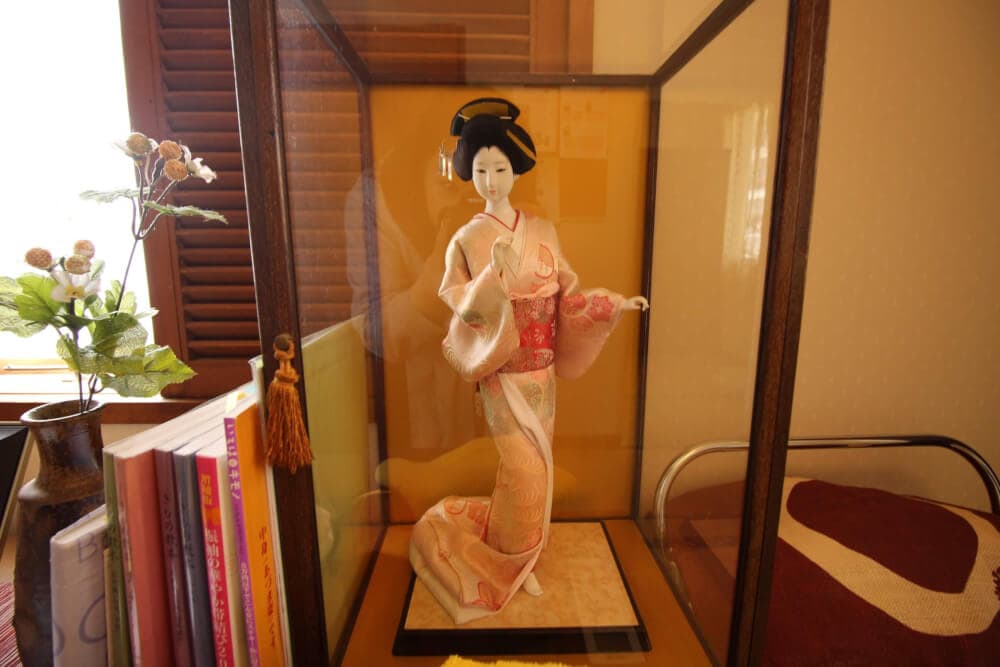
as well as Japanese dolls on display.
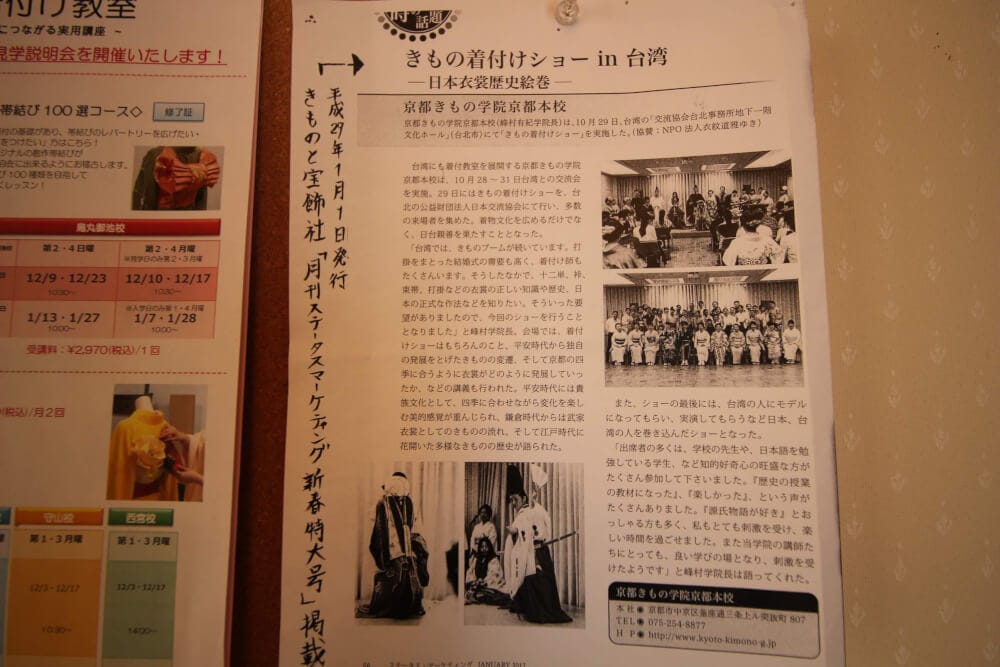
Also, when “Kyoto Kimono Gakuin Kyoto Main School,” where Miyuki Ishii-sensei serves as an instructor,
held a “Kimono Dressing Show” in Taiwan, it was featured in Kimono to Hoshoku-sha’s “Monthly Status Marketing New Year Special Issue.”
And!
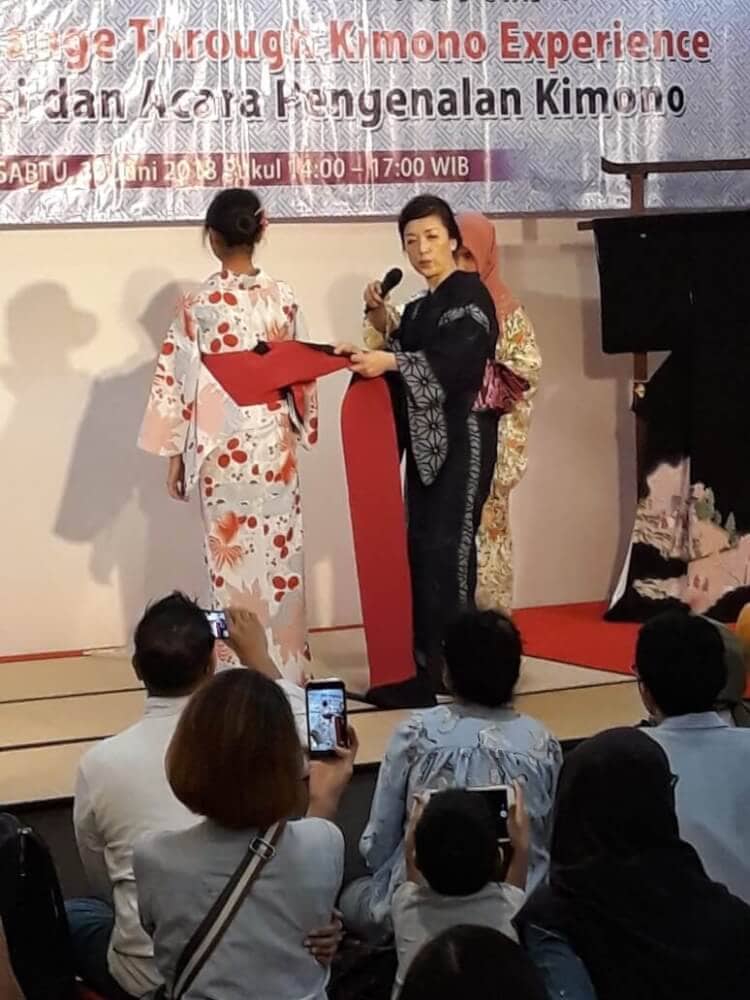

Through “MATOU~纏う~,” launched by Miyuki Ishii-sensei and a team of four other kimono dressing instructors,
they hold Japanese clothing events in Jakarta and Bali, sharing the appeal of kimono overseas too!
We tried Kimono Dressing Class “纏う”!

First, before putting on the kimono, the lesson begins with a greeting.
“Begin with a bow, end with a bow.”
A uniquely Japanese sense of etiquette and manners.
In class, you first learn the basics of greetings.
The basics of a seated bow are:
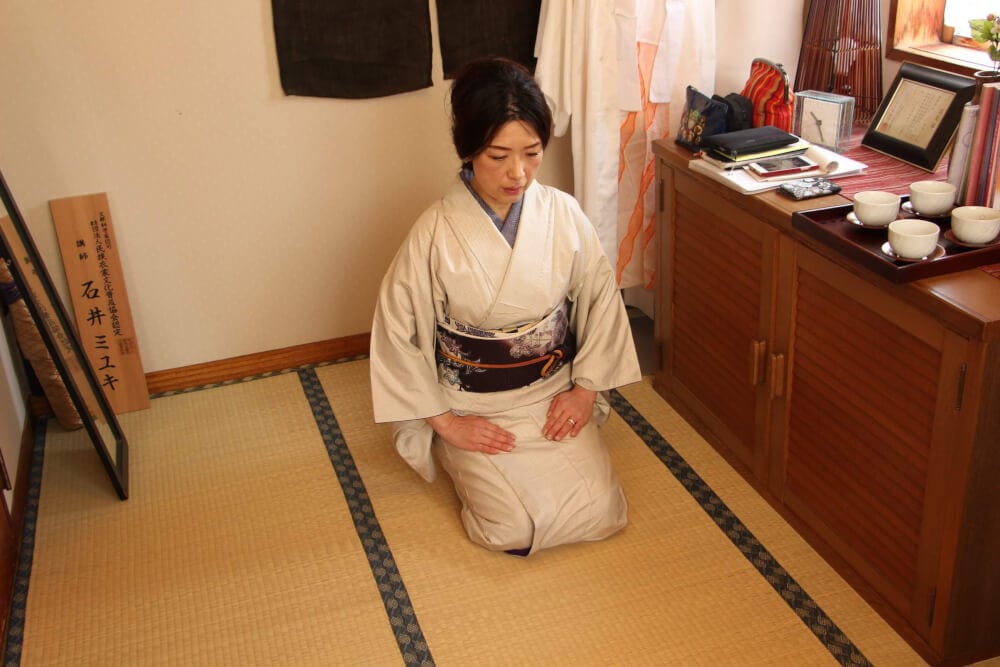
Sit in seiza with your back straight.
You can place your hands like this,
or place both hands together with the right hand on top.
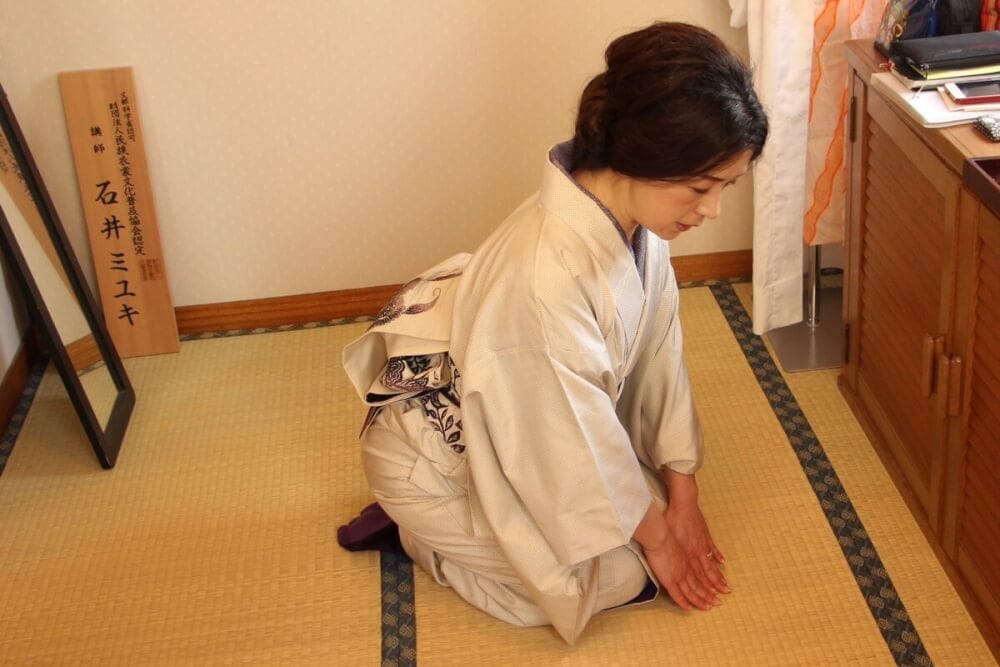
First is a light bow.
Slide both hands forward, touch your fingertips together in front of your knees, and bend your upper body to a 15-degree angle.
15 degrees for a light bow → 30 degrees for a standard bow → 45 degrees for a respectful bow.
You practice these three levels.
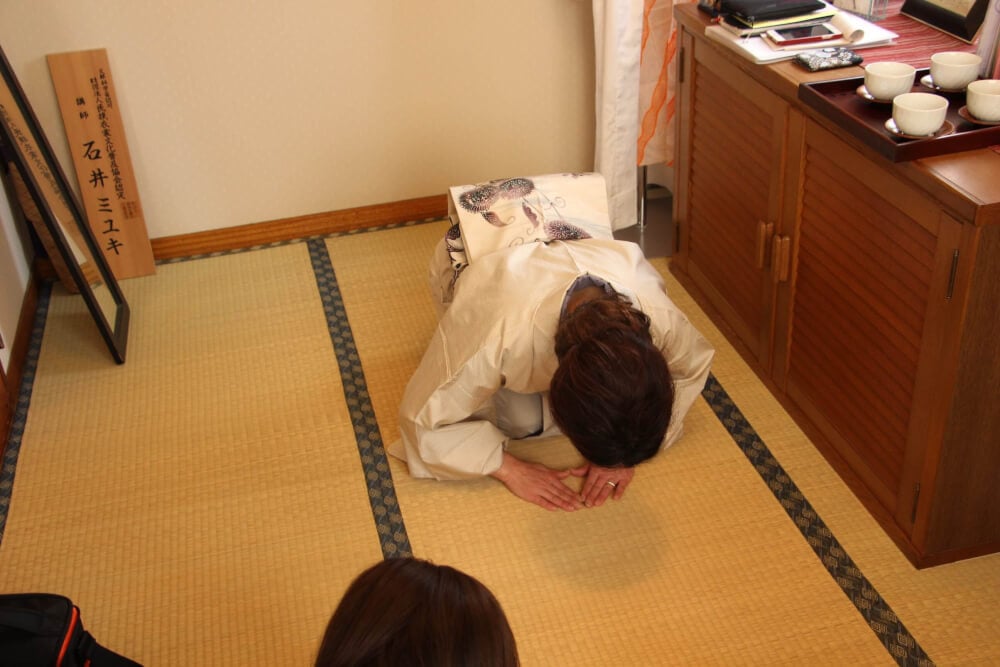
This is a greeting at the respectful bow angle.
Make a triangle with both hands, and slowly lower your head in line with your back so your spine does not curve.
At this point,
you say, “Yoroshiku onegai itashimasu.”
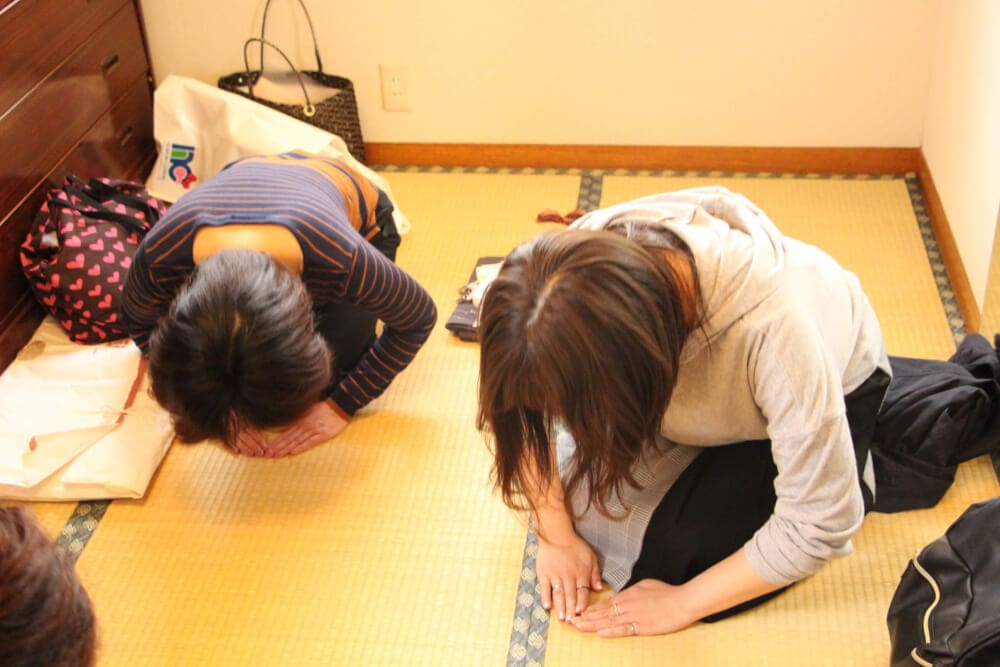
When rising back up, slowly return from the respectful bow position, retracing the movement on a rhythm of 1, 2, 3, back to the original posture.
The kimono dressing class begins!
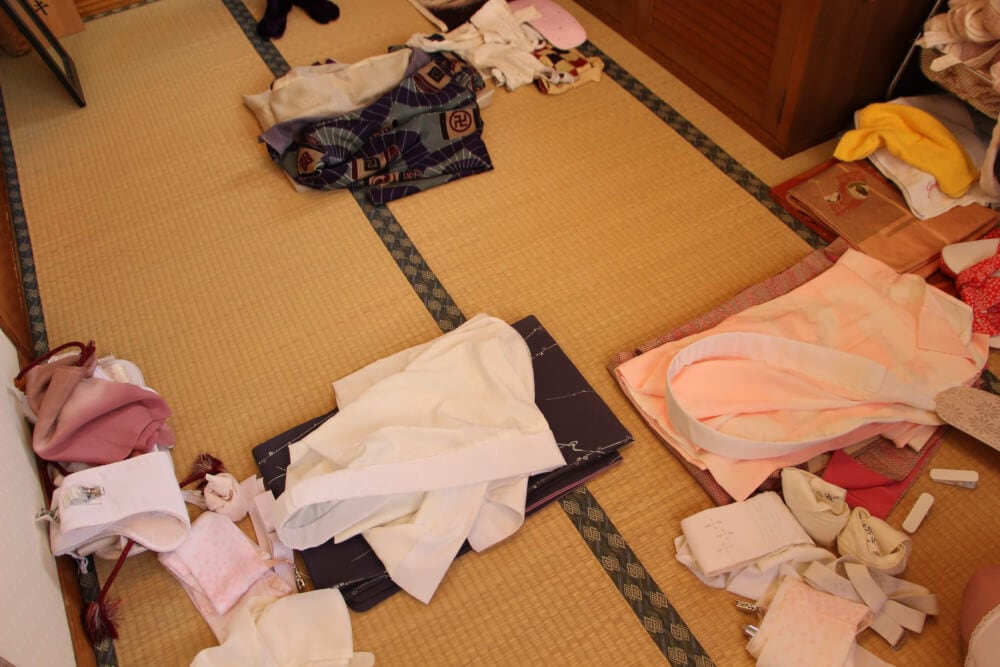
First, the kimono accessories are:
- Waist belt
- Datejime sash
- Sash(datejime with fastener)
- 1 temporary cord
- Kimono clip
These items are placed on your left side.
- Obi set on an improved obi pillow
- Kimono placed on top of that
- Nagajuban under-robe with collar stiffener inserted, placed on top of that
- Body-shaping items placed on top of that(foundation, kimono bra, etc.)
- Kimono undergarment
These items are placed in front of you.
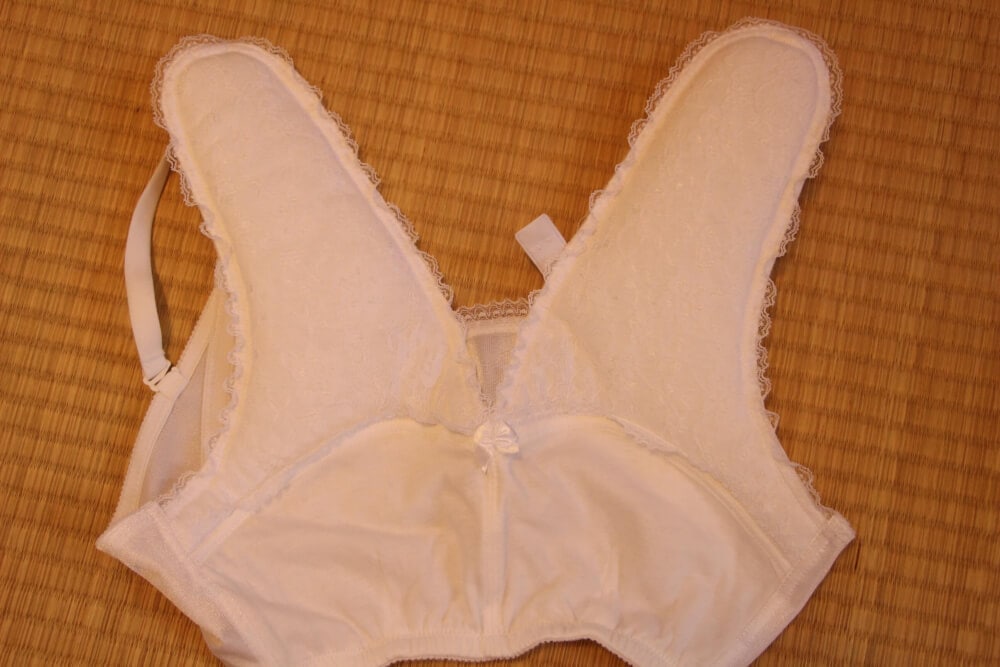
This is a kimono bra.
It has cushioned padding from around the neck to the chest area, and is used to shape the bust.
Miyatama only now learned that when wearing kimono, you don’t wear a Western-style bra.
Women who wore kimono in the past were really impressive.
(When dressing in kimono, a sports bra can also be used as a substitute)

To wear kimono beautifully, body shaping is important.
The reason is that if you wear it while your body still has curves and uneven areas, it can cause the kimono to lose its shape.
So the body is shaped into a straight, cylindrical line.
Before putting on the nagajuban,
you shape the body over the kimono slip(undergarment)using towels and other padding.
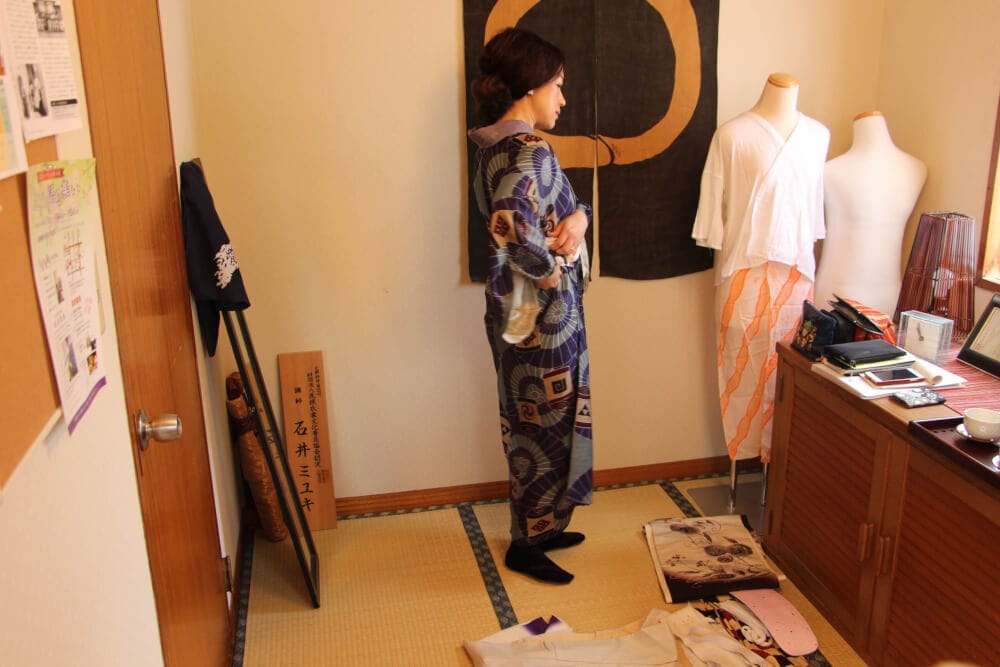
The steps for putting on the nagajuban are:
- Put on the nagajuban
- Pull the collar back at the nape
- Fasten the collar of the nagajuban with the metal fitting of the body-shaping foundation wrapped around the stomach
- Smooth out wrinkles
- Fasten the datejime sash
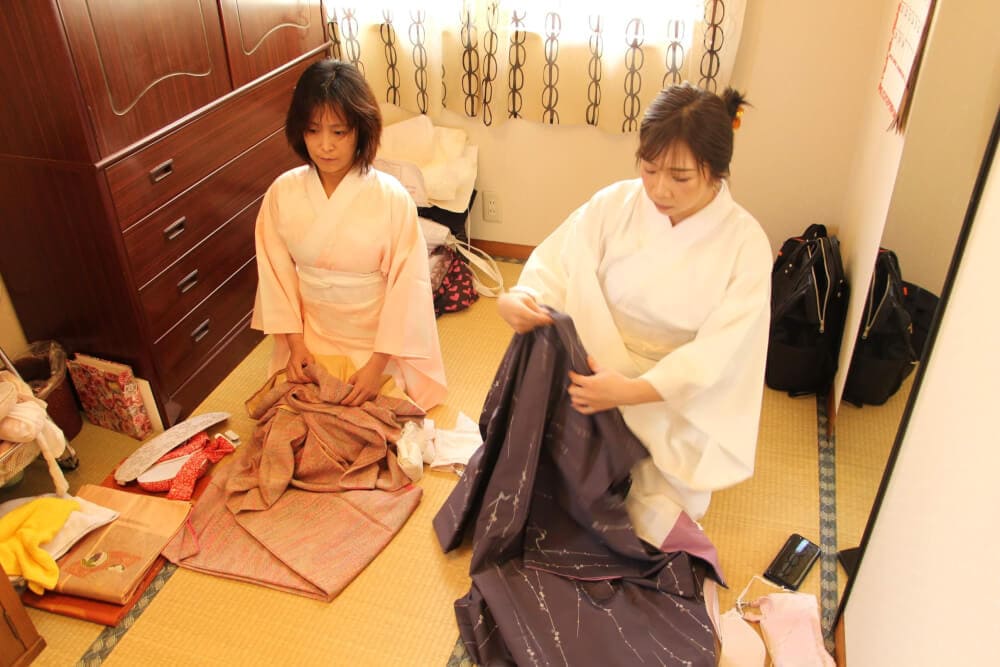
When putting on a nagajuban or kimono, you don’t just throw it on; there is a proper order for draping it.
That order is…
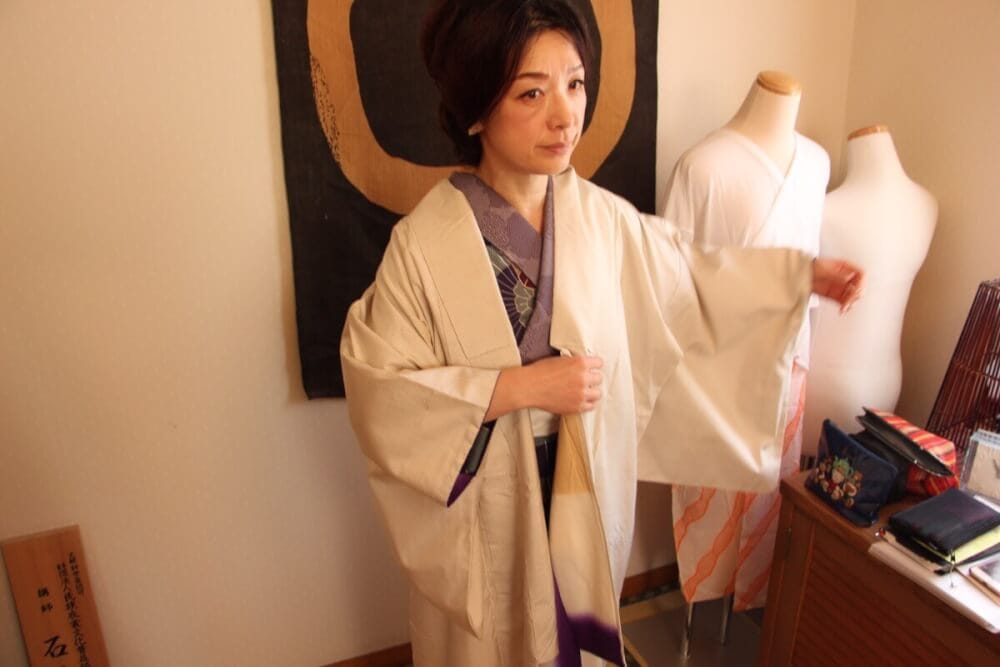
Hold the center back seam of the nagajuban or kimono with the index finger of your left hand, and hold the haneri collar area with your right hand.
Release your left hand, and bring the nagajuban or kimono held in your right hand around behind you.
Then hold the haneri with your left hand, drape it over your shoulders, and put your arms through from the elbows.