


The cherry blossoms have started blooming in Nishinomiya. Makes you want to go cherry blossom viewing, right? Unfortunately, today, 3/26, it’s raining🌂.
But Nishinomiya actually has a cherry blossom museum you can enjoy even on a rainy day.
Here it is↓
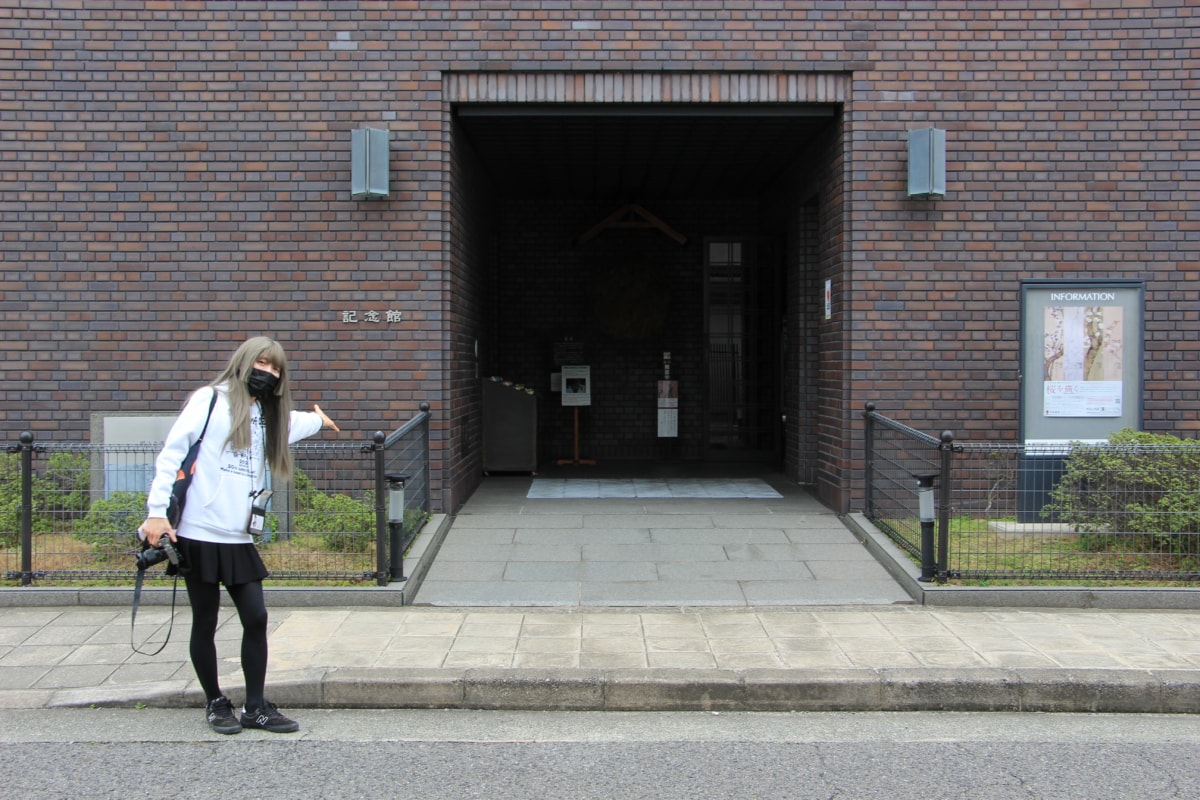
Oh, you can’t see it because I’m in the way. Sorry.
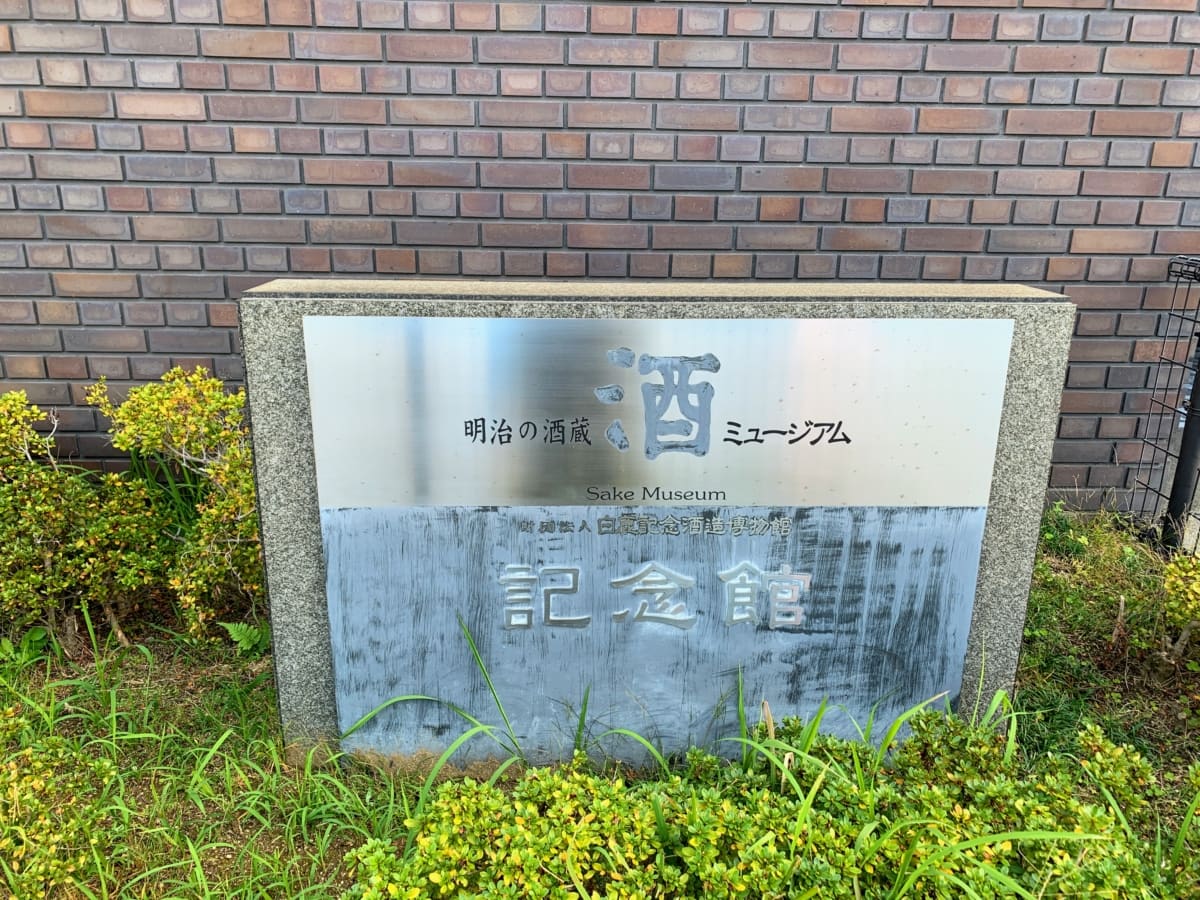
It’s the Hakushika Memorial Museum of Sake, also known as the “Sake Museum.”
Hakushika? Sake? And cherry blossoms??
That’s what you’re probably thinking. Don’t worry. This is definitely an article about cherry blossoms!
Here it is on the map↓
The address is 8-21 Kurakake-cho, Nishinomiya, Hyogo.
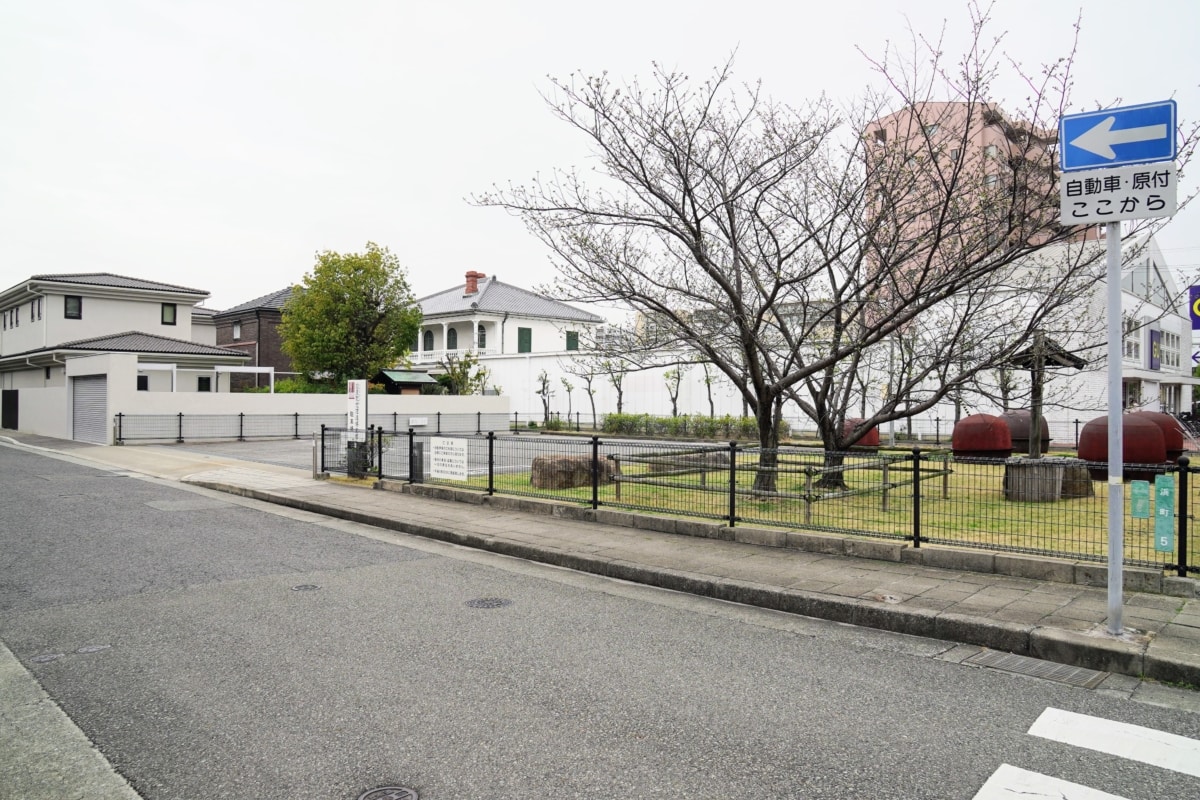
There’s a dedicated museum parking lot across the street, and there’s even a cherry tree!
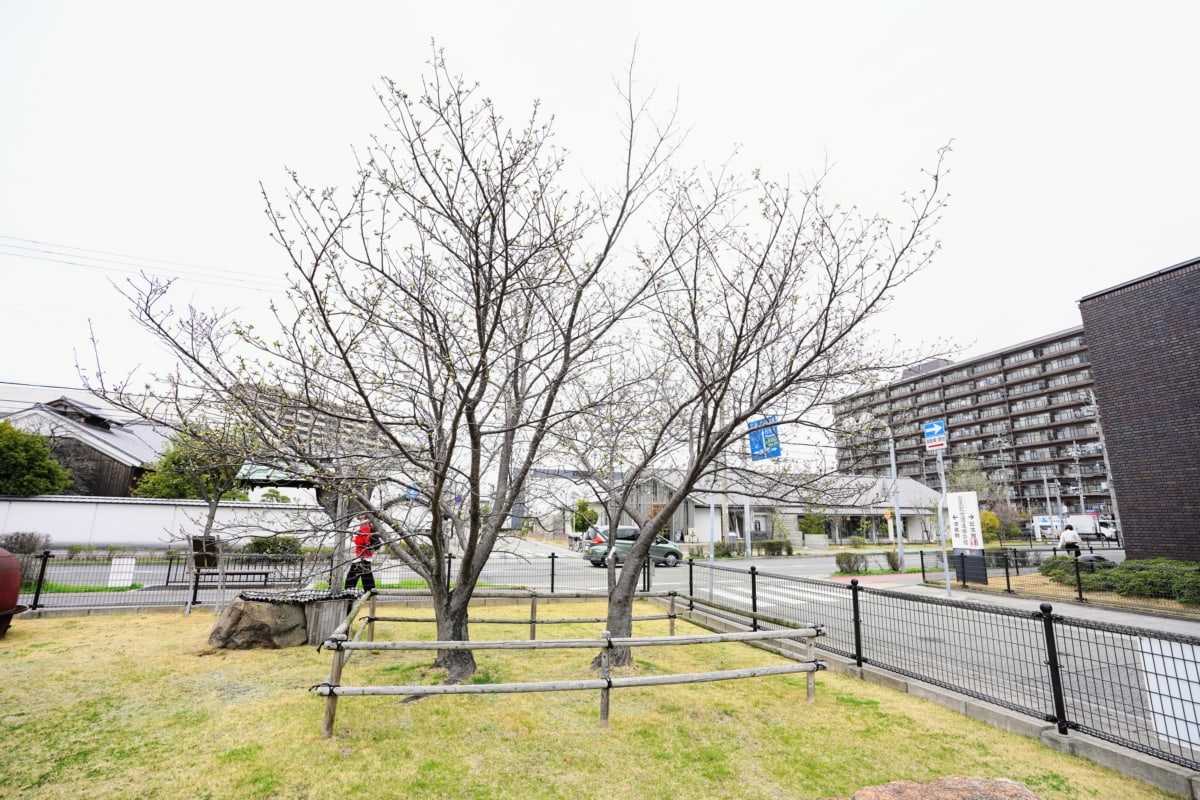
But it’s not blooming.
It blooms in early April, but
the Hakushika Memorial Museum of Sake “Sake Museum” has something like this going on!
Here it is↓
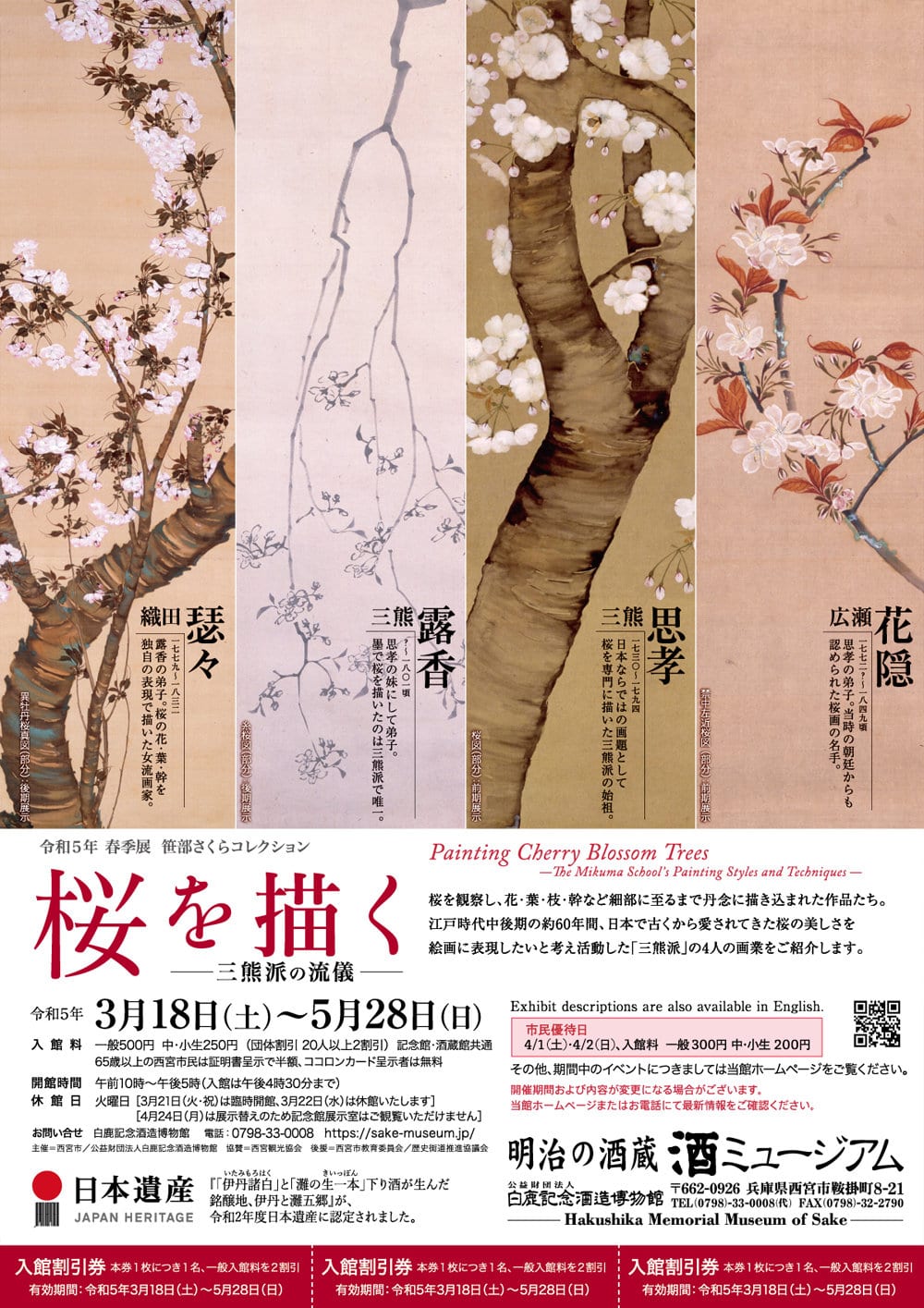
They’re exhibiting paintings of cherry blossoms from the Edo period!!
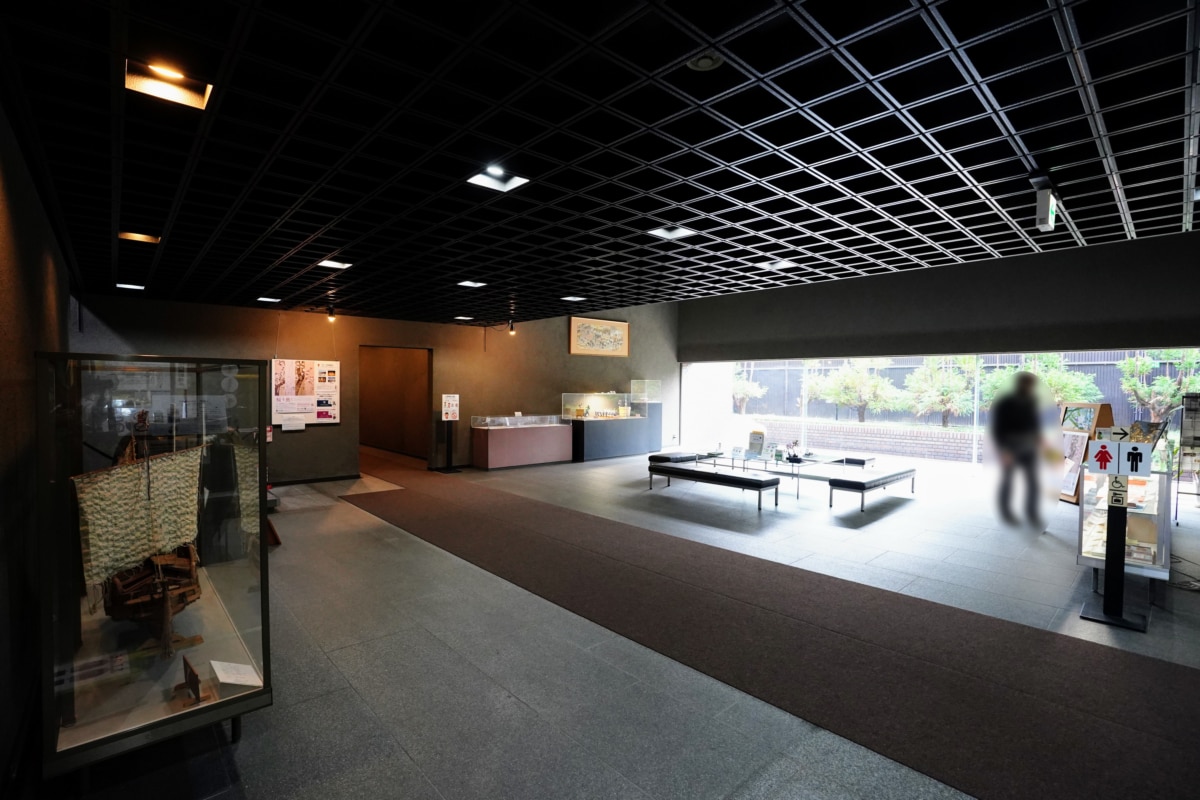
Inside, it has this calm, peaceful atmosphere!
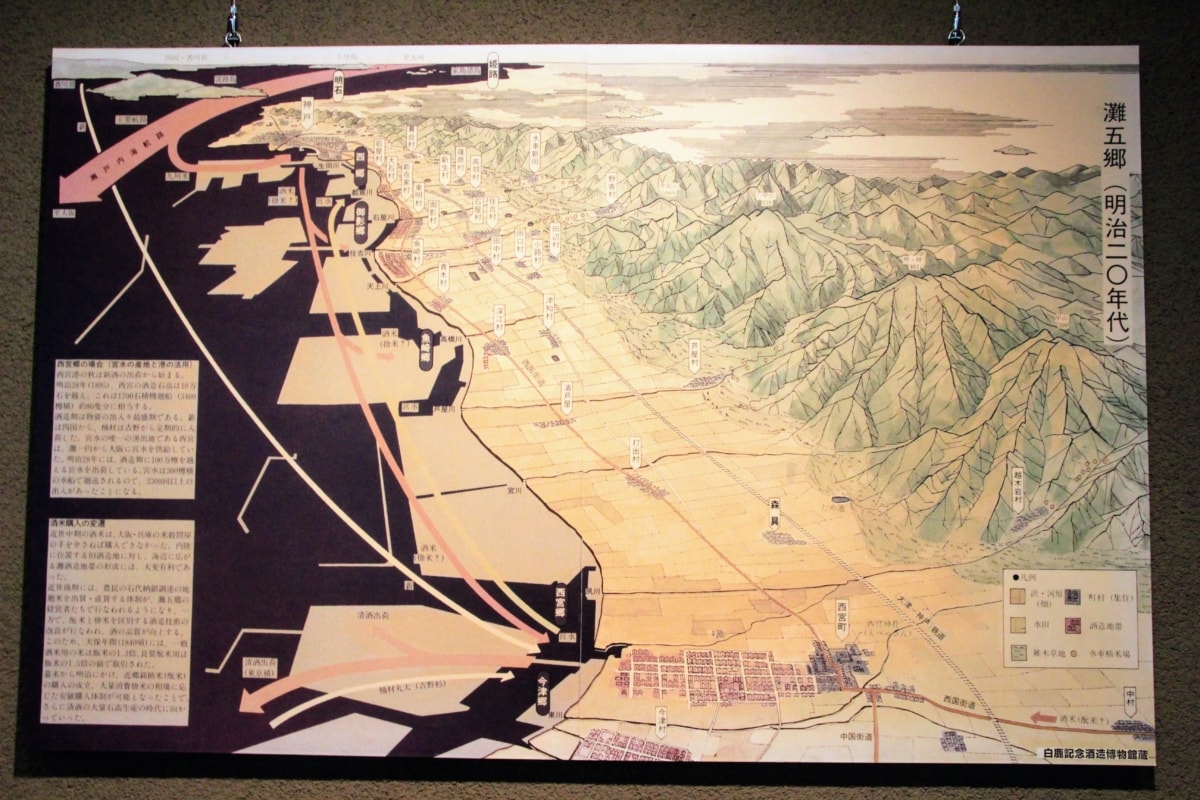
Since this is the Sake Museum, there’s a map of the Nada Gogo area from the 1880s.
It shows Nishinomiya Town, Morigu, Koshikiiwa Village, Imazu Village, the Saigoku Kaido road, and more. It even included Nakamura, the mysterious bus stop we previously wrote about on Nishitsu!
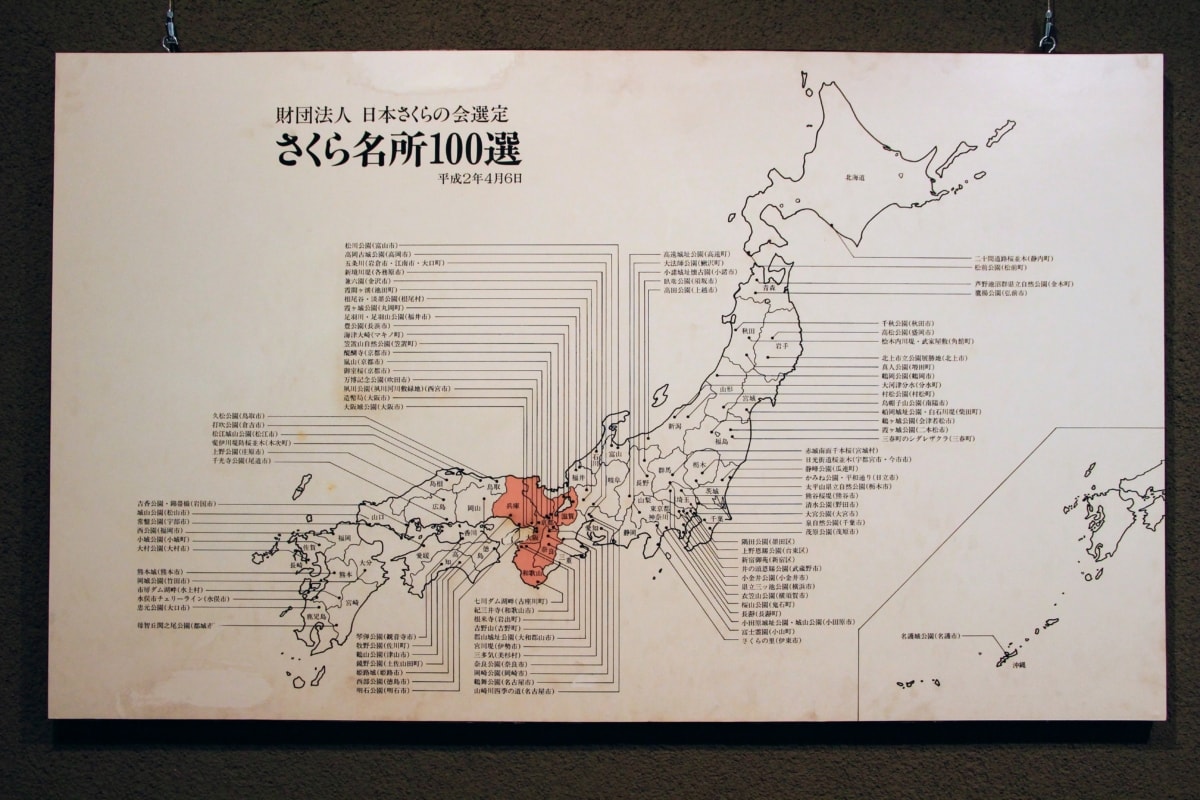
The official flower of Nishinomiya is the cherry blossom, and Shukugawa is even selected as one of Japan’s Top 100 Cherry Blossom Spots, so Nishinomiya is very much a city of cherry blossoms.
At the Sake Museum, they had all kinds of exhibits about Shintaro Sasabe, a botanist deeply connected to Nishinomiya and cherry blossoms who studied Japanese cherry blossoms in incredible depth. You probably haven’t heard of him, right?
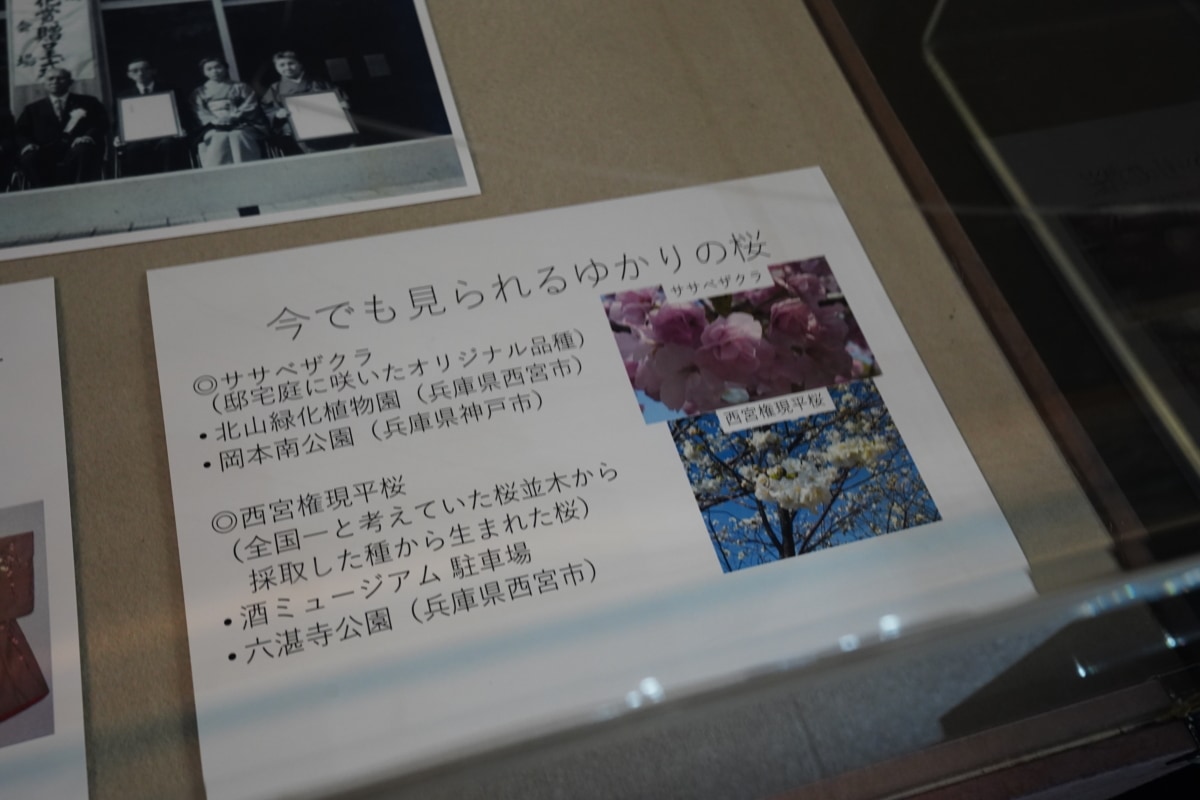
There’s even an original variety called Sasabe-zakura, named after Mr. Sasabe.
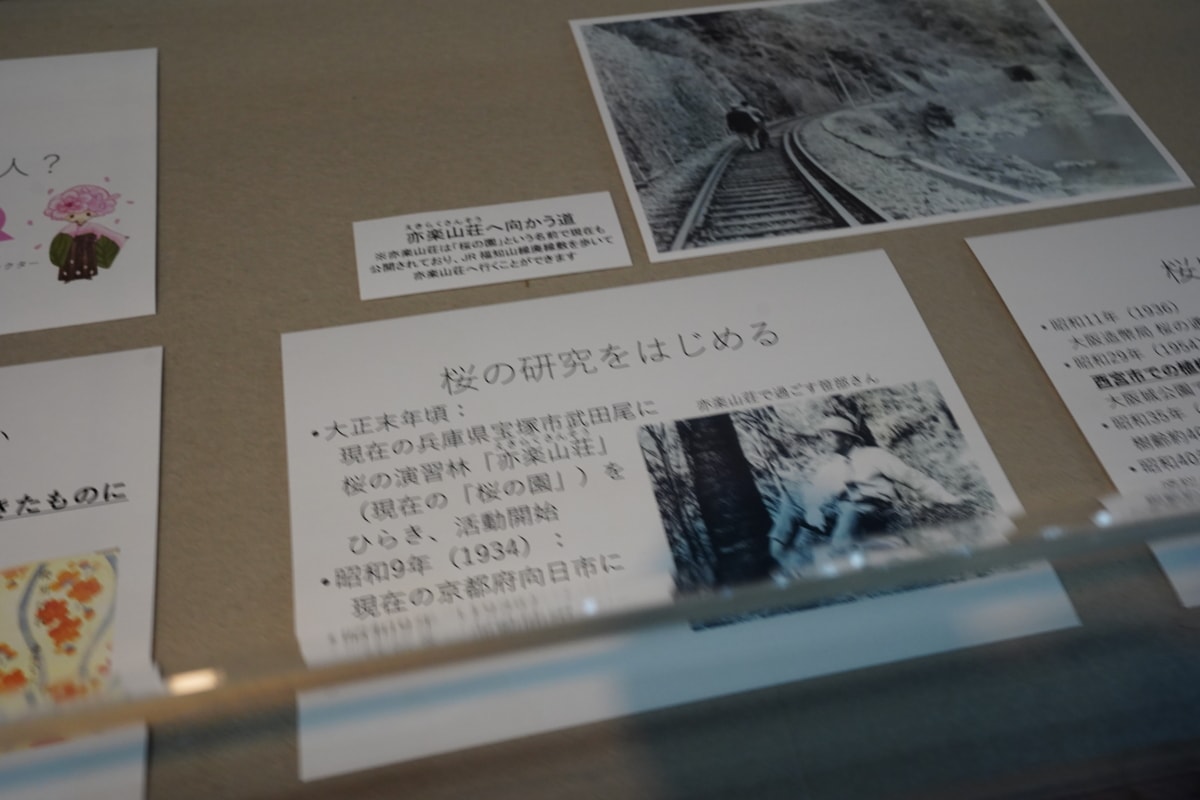
From the late Taisho period, he began researching cherry blossoms as a botanist in Takedao.
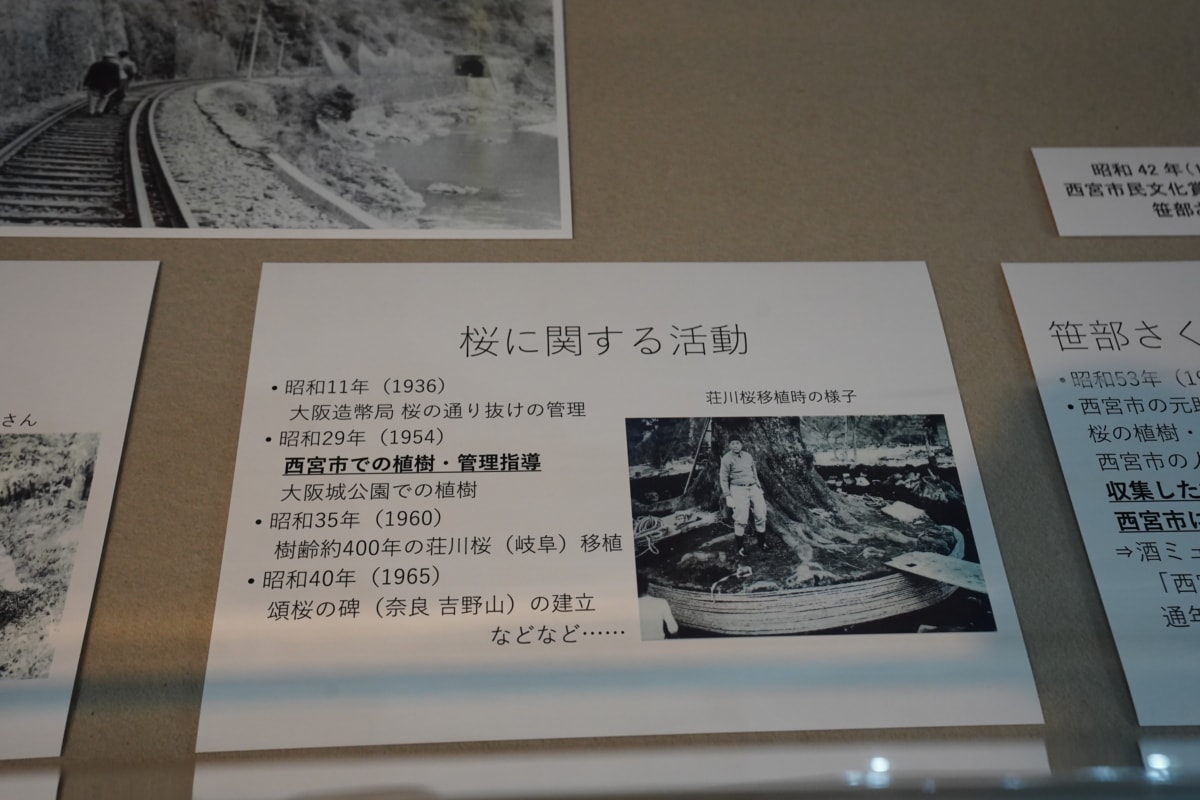
In 1954, he was involved in tree planting and management guidance in Nishinomiya. He even worked at Osaka Castle Park!

Mr. Sasabe donated his collection of cherry blossom artworks and research materials to Nishinomiya City. Those materials are now on display year-round at the Sake Museum.
Some people may have vaguely thought, “Nishinomiya is a cherry blossom city, I guess,” but there’s actually this kind of history behind it!
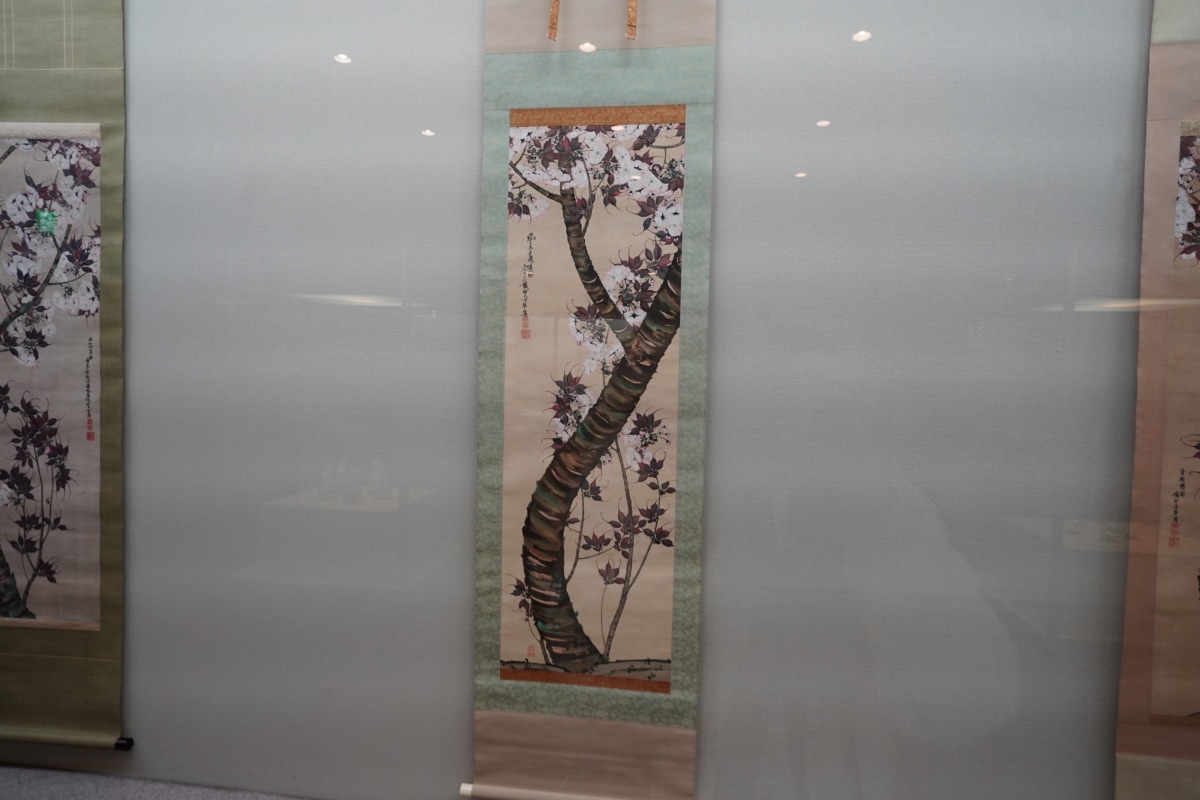
This is a cherry blossom painting by an Edo-period cherry blossom artist. It’s a hanging scroll, of course.
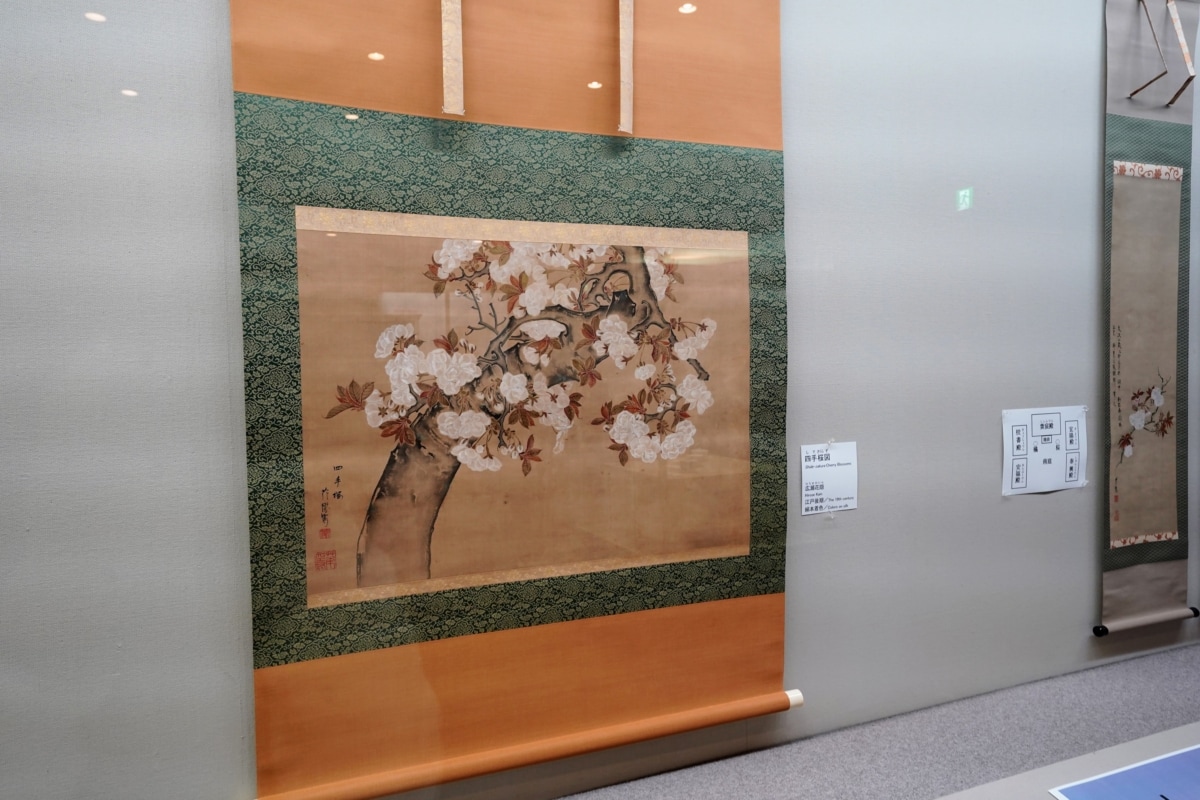
Basically, all the cherry blossom paintings were like close-up shots in photography. Maybe what looks good has never really changed, no matter the era!
You can see so many hanging scrolls by Edo-period cherry blossom artists.
And then,
one of the exhibits that was really interesting was this!
Here it is↓
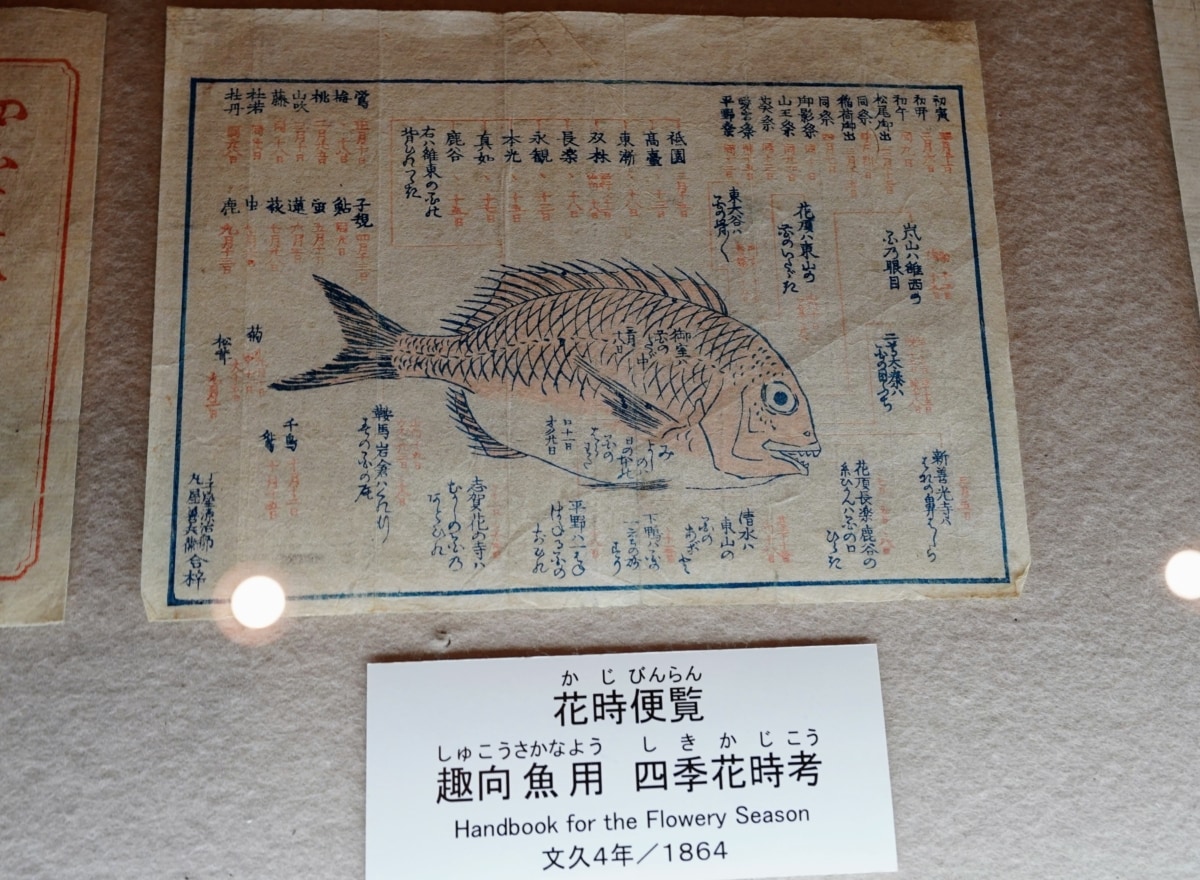
Fishhhhh!
Actually, no. You probably have no idea what this is, right?
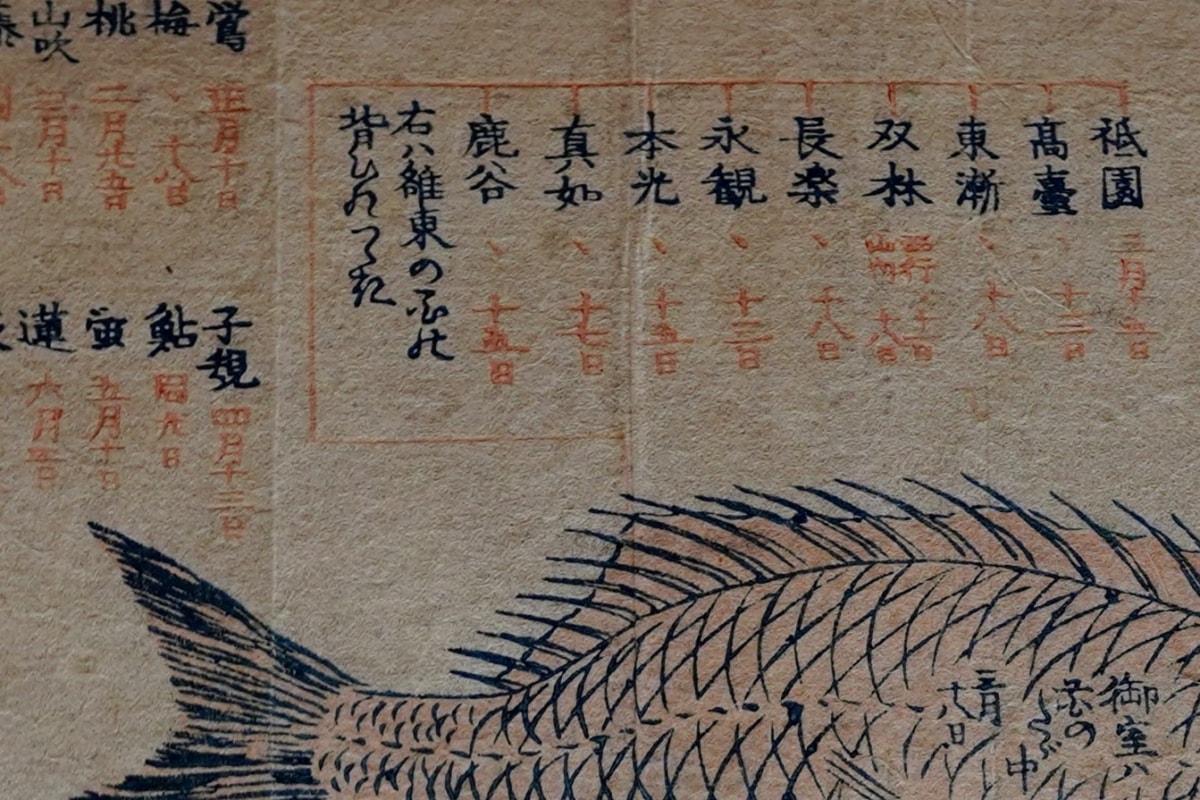
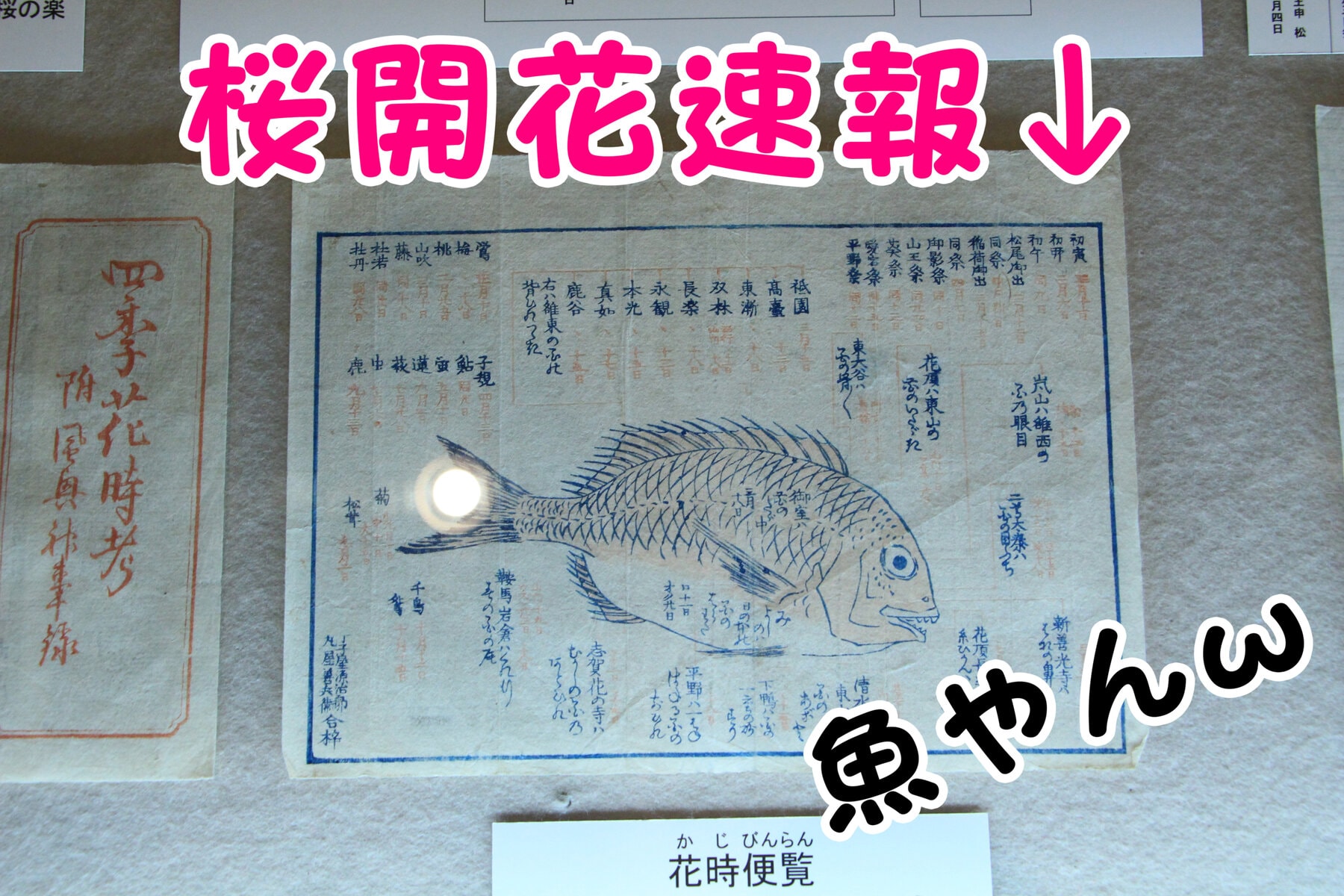
This is a cherry blossom blooming bulletin.
There are dates written on it, right? But why fish? lol
People in the old days had a sense of humor too.

This was amazing! There were tons of photos of cherry blossom viewing spots around Nishinomiya!!

It introduced major spots like the Koshimizu Water Purification Plant, as well as some lesser-known places, and even showed rare cherry blossoms I didn’t know about.
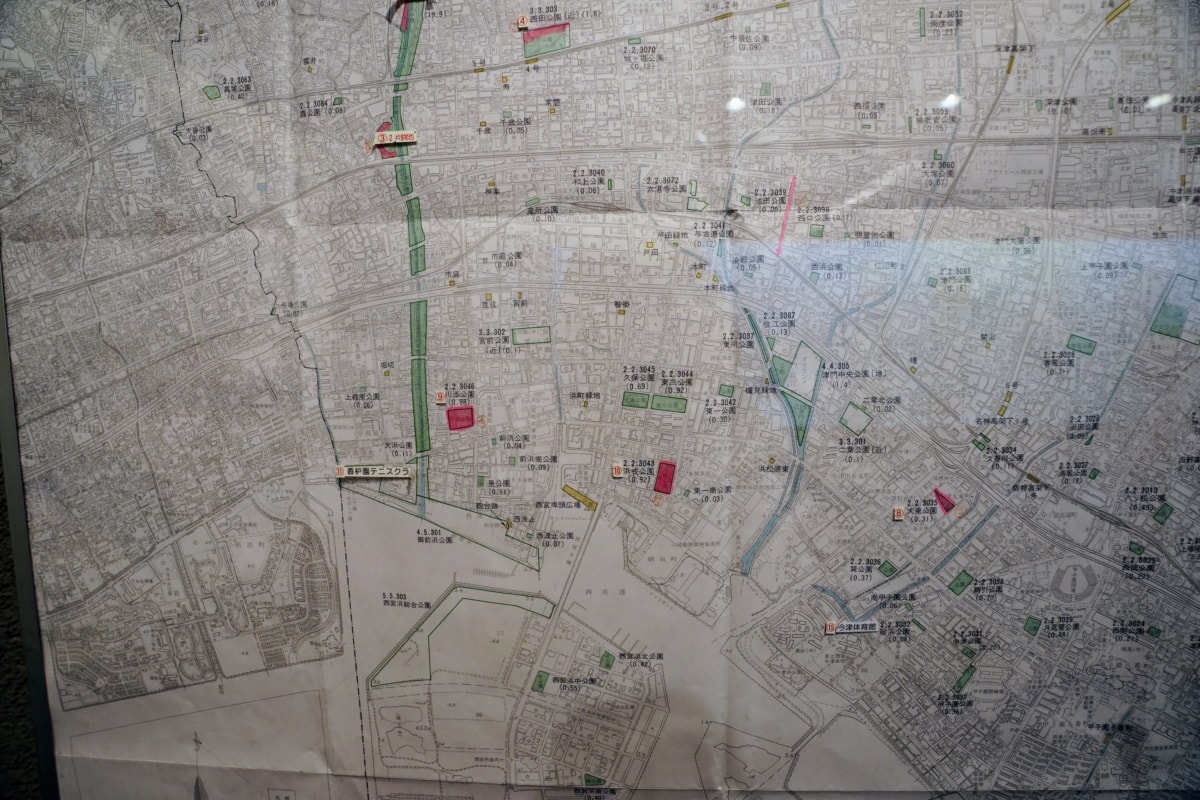
And it even comes with a map. This is definitely the thing to check before your cherry blossom tour this year!
Oh, right.
The cherry tree in this parking lot is called “Nishinomiya Gongendaira-zakura.”
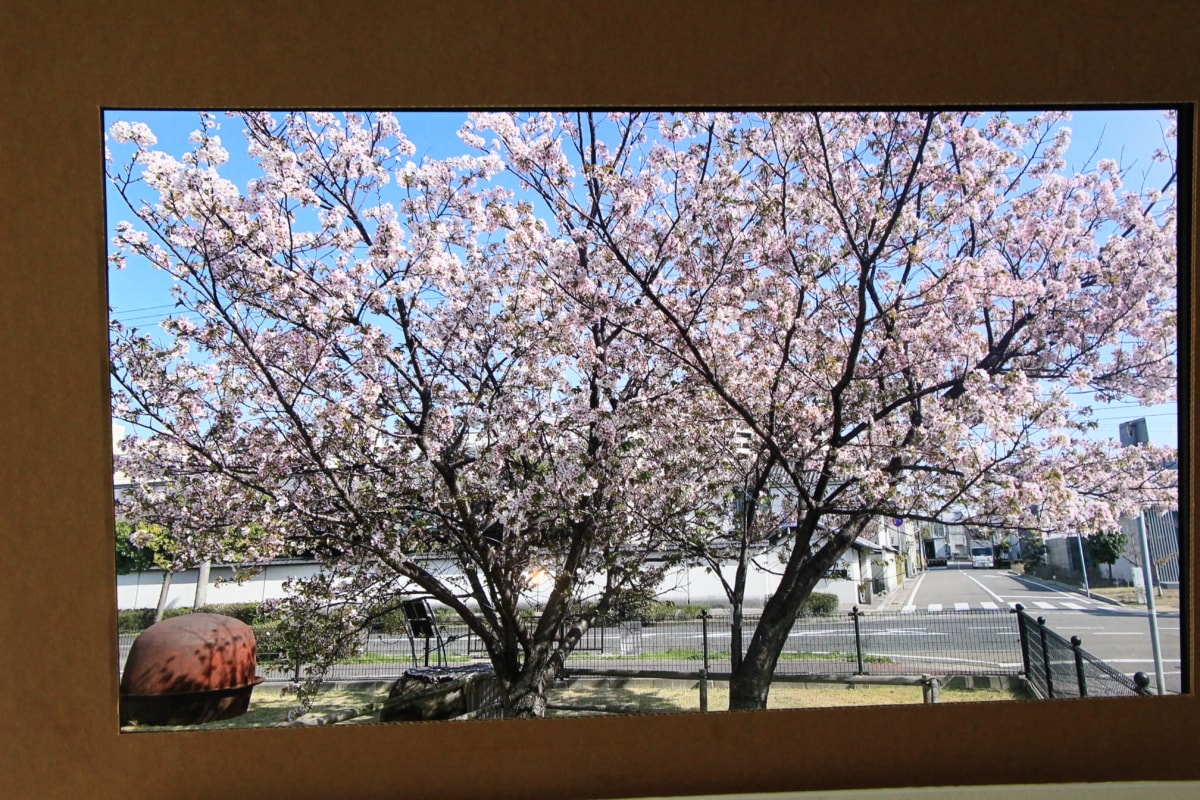
It blooms this much!!!
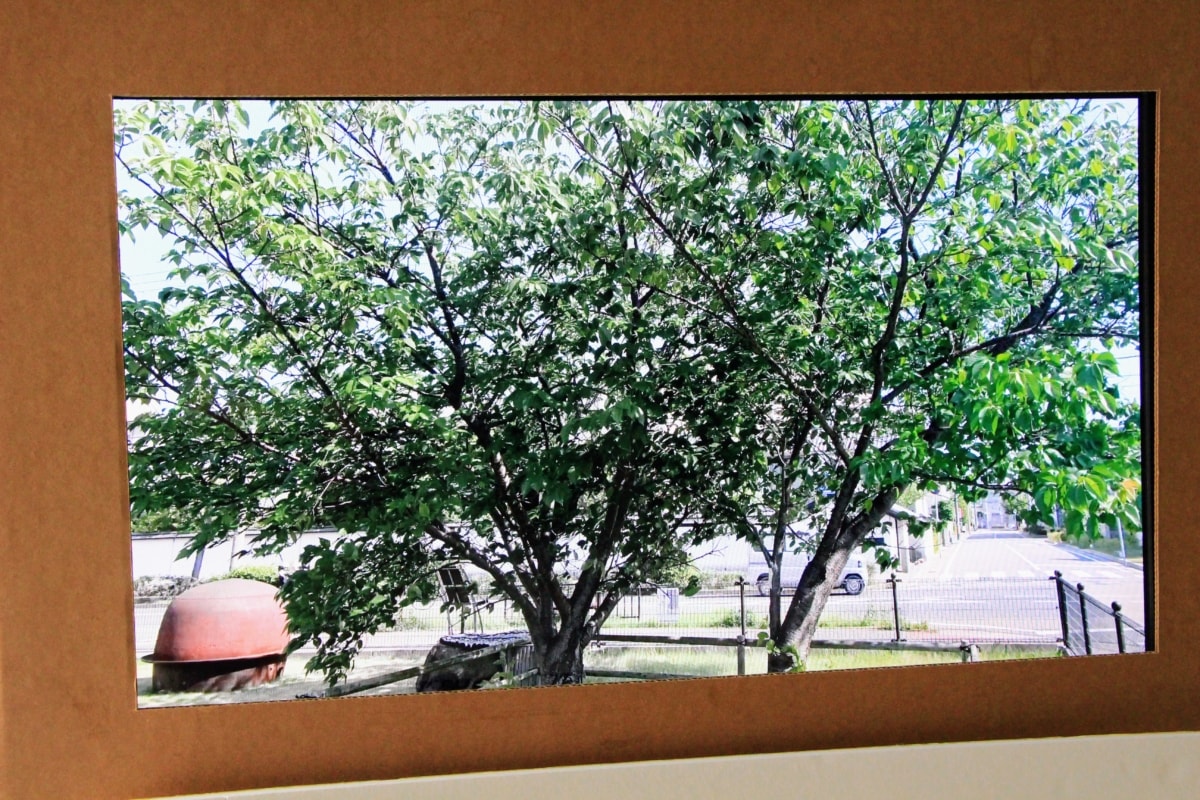
It’s turning green!
This is
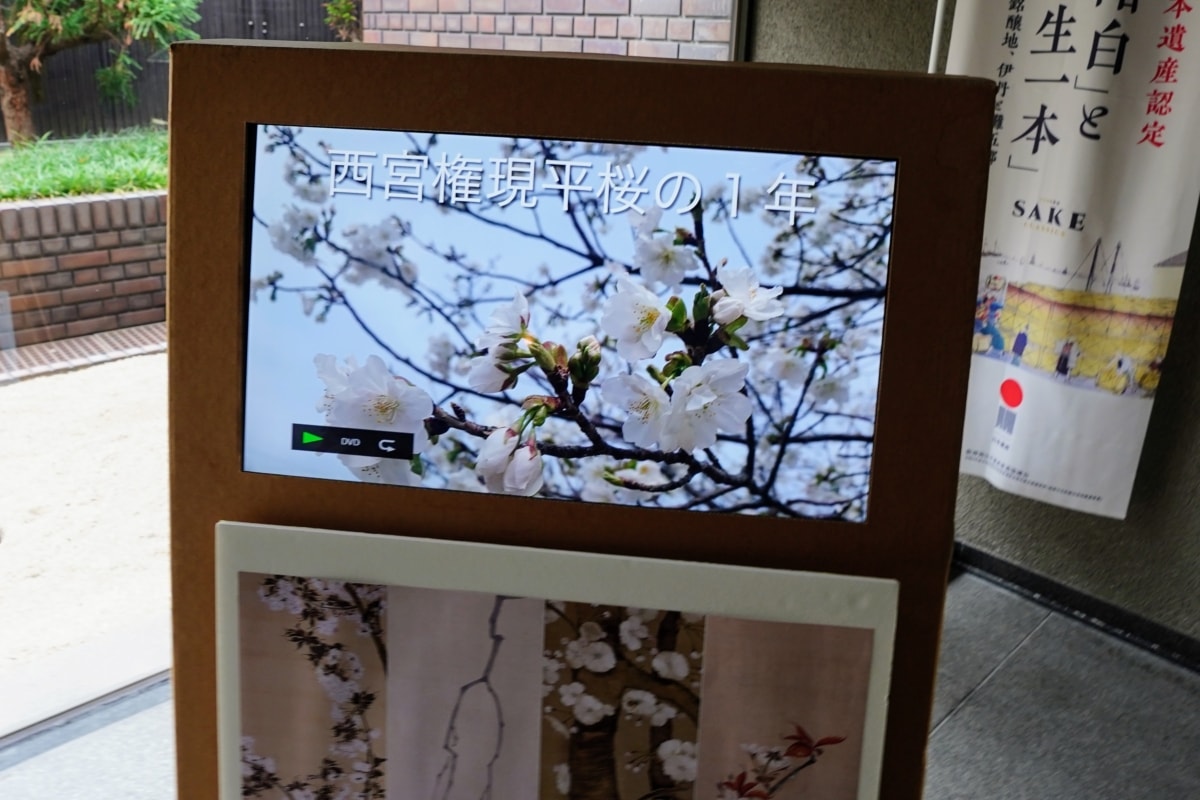
a video filmed by the museum staff over the course of a year. It’s surprisingly fun to just sit and watch!
This time, I learned that Mr. Sasabe, the cherry blossom expert, was truly incredible. It made me feel grateful that he connected cherry blossoms with Nishinomiya. Seriously amazing.
Since it’s raining today and cherry blossom viewing outdoors is a bit tough, why not go somewhere you won’t get wet? Personally, it was really great to rediscover the connection between Nishinomiya and cherry blossoms.
Also,
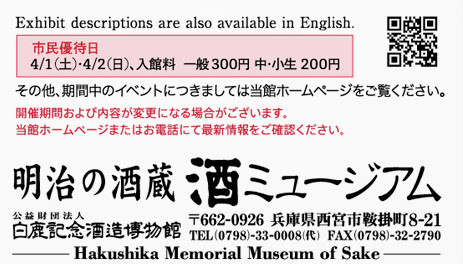
If today is difficult for you, you’re in luck. Next weekend, Saturday 4/1 and Sunday 4/2, are Nishinomiya citizen discount days. Admission is 300 yen for adults and 200 yen for elementary and junior high school students.