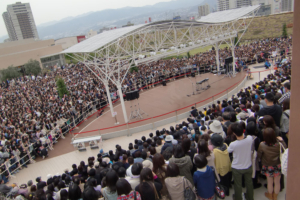


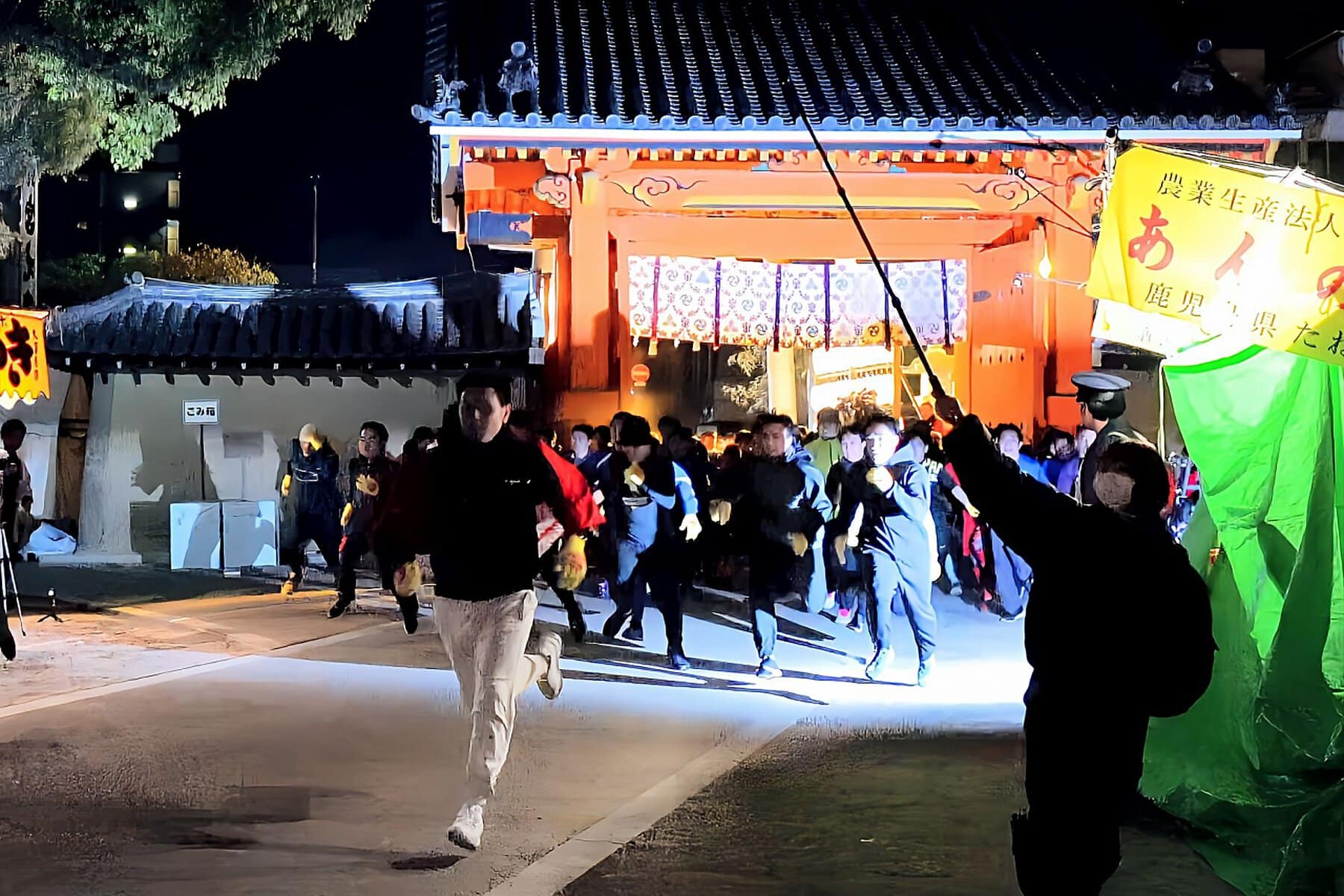

Nishinomiya Shrine’s annual “Kaimon Shinji Fukuotoko Erabi” on January 10 is a major event known across Japan, and this year, people from disaster-affected areas around the country will also be gathering, giving it an especially meaningful feel.
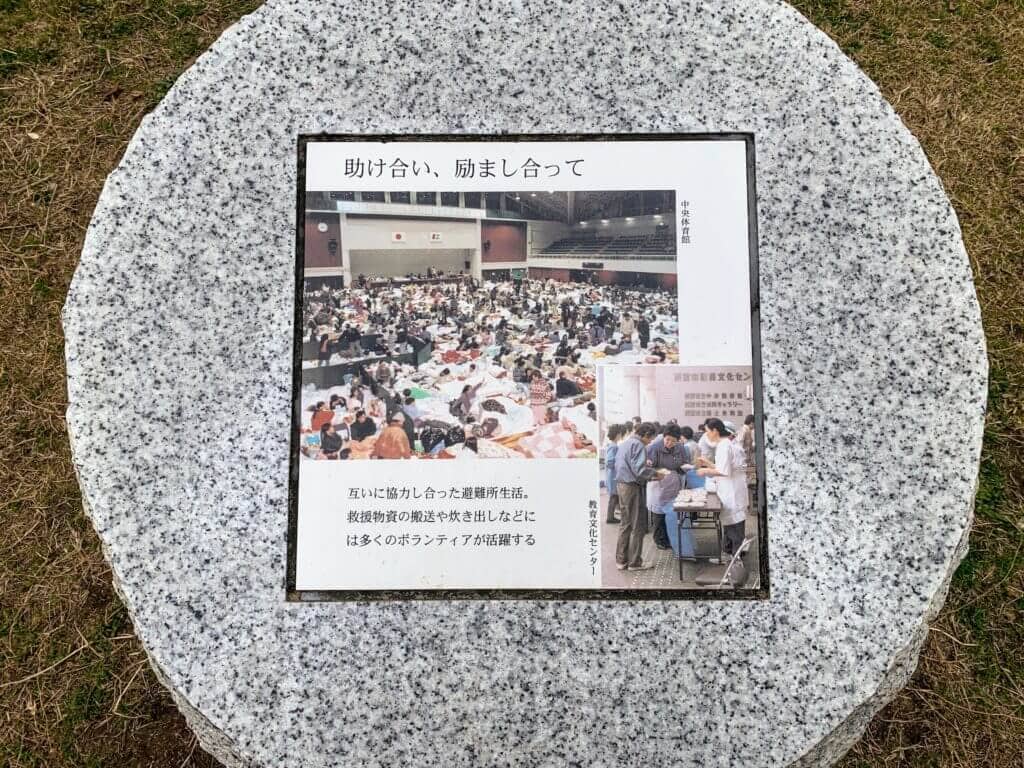
This year also marks 30 years since the Great Hanshin-Awaji Earthquake. With people from other disaster-hit areas also taking part, this year’s gate-opening ritual looks set to be even more special than usual.
A priest from the area affected by the Noto Peninsula Earthquake
From the Noto Peninsula comes a young, 31-year-old priest born on July 22, 1993.
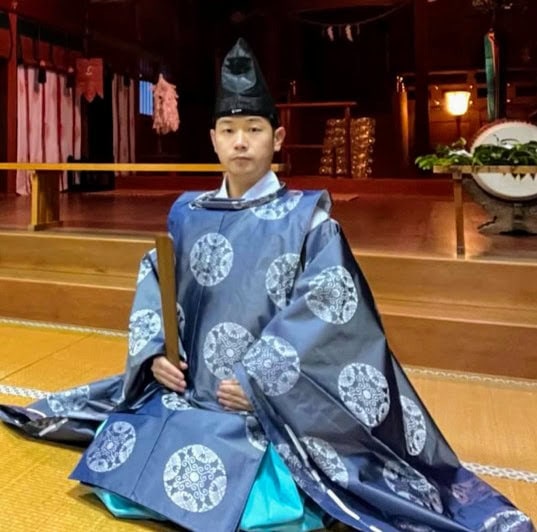
Junya Kobayashi (小林隼也) from Suzu City, Ishikawa Prefecture(珠洲市) will serve as the “gate holder”, supporting the Akamon gate from the inside when it opens.
This is it↓
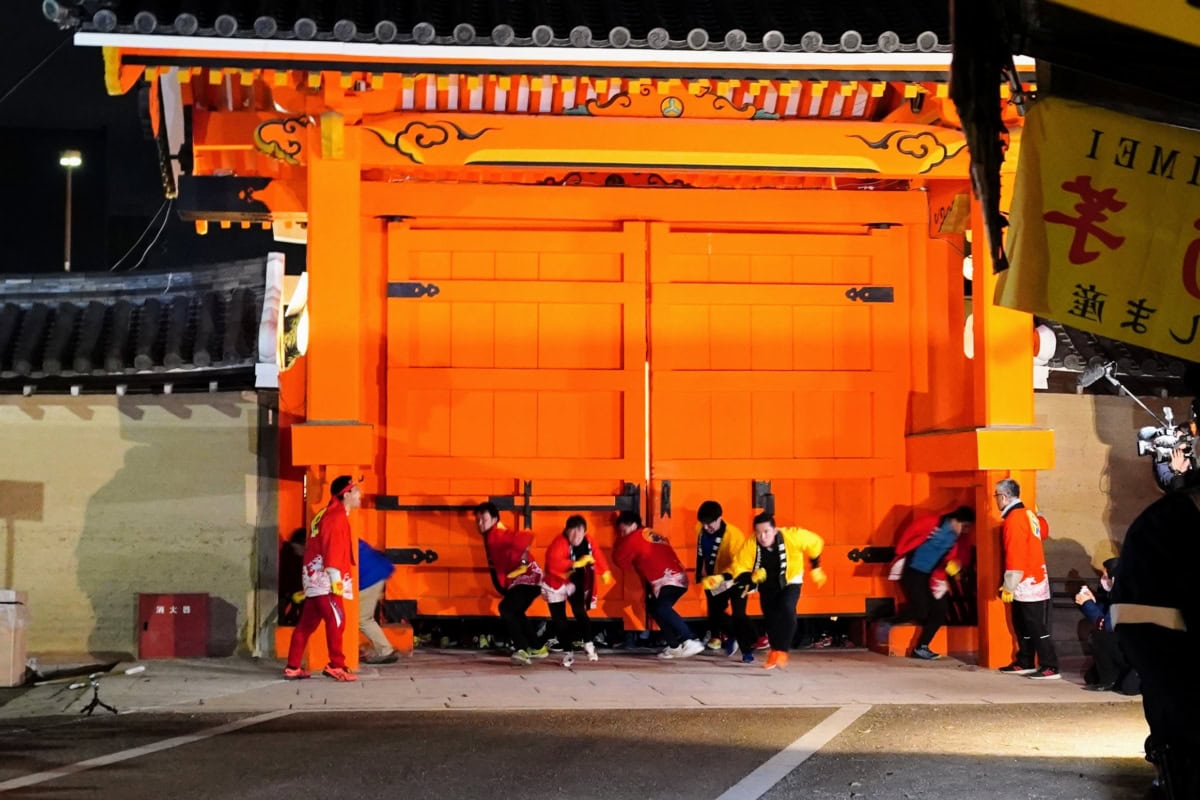
This gate-holding role is seriously intense.
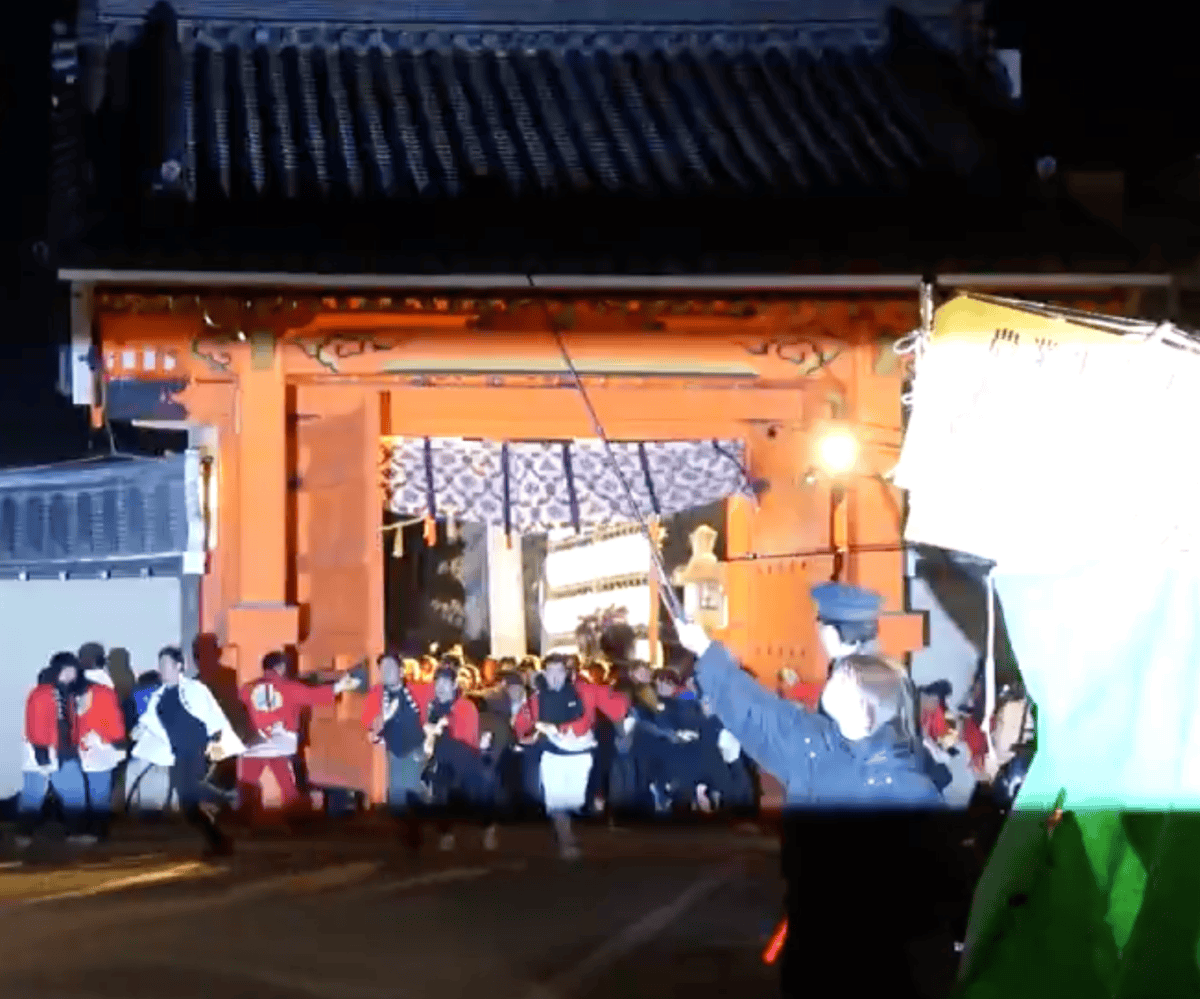
Once the gate opens, participants surge in all at once, so if you don’t get away immediately, it can be pretty dangerous.
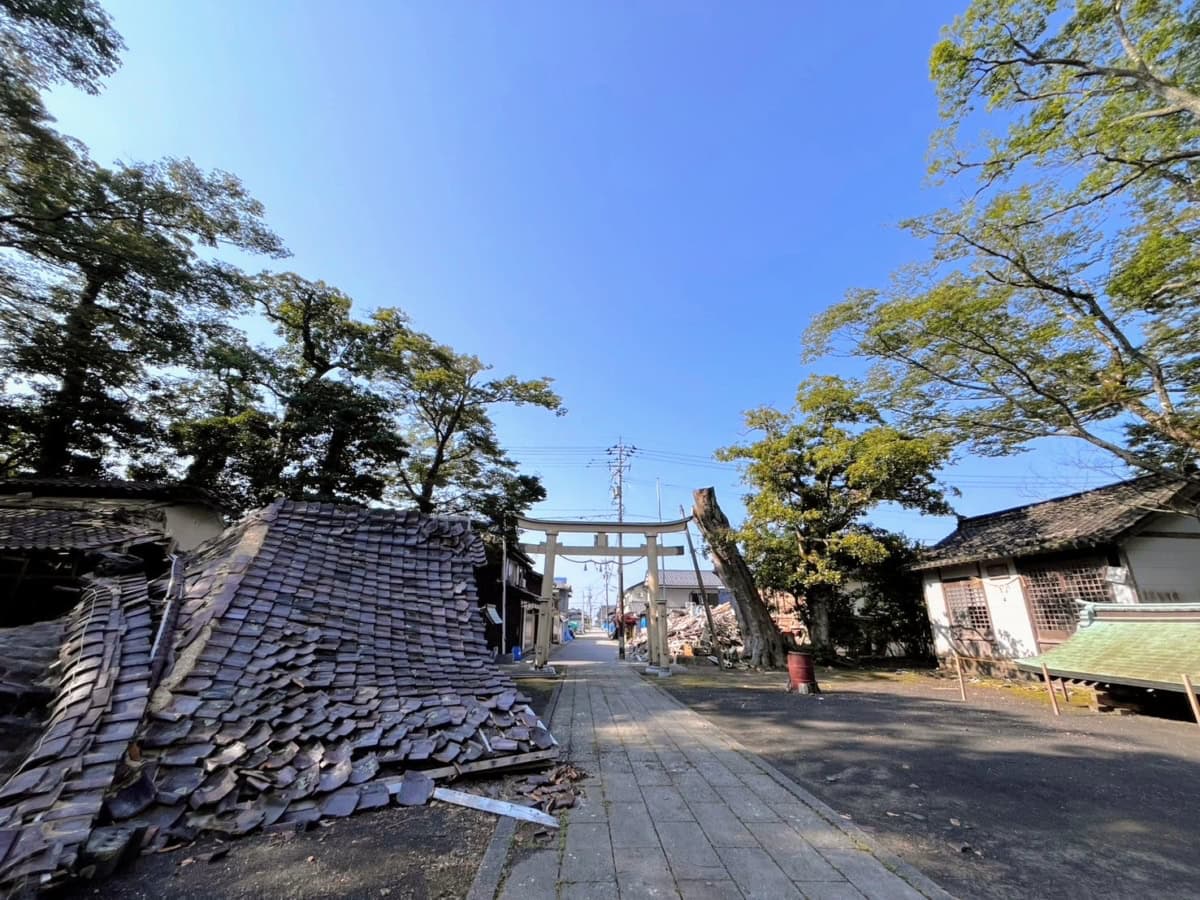
The shrine where Junya Kobayashi serves as a priest, Suzu Hachimangu Shrine(須受八幡宮), was damaged in the recent Noto Peninsula Earthquake.
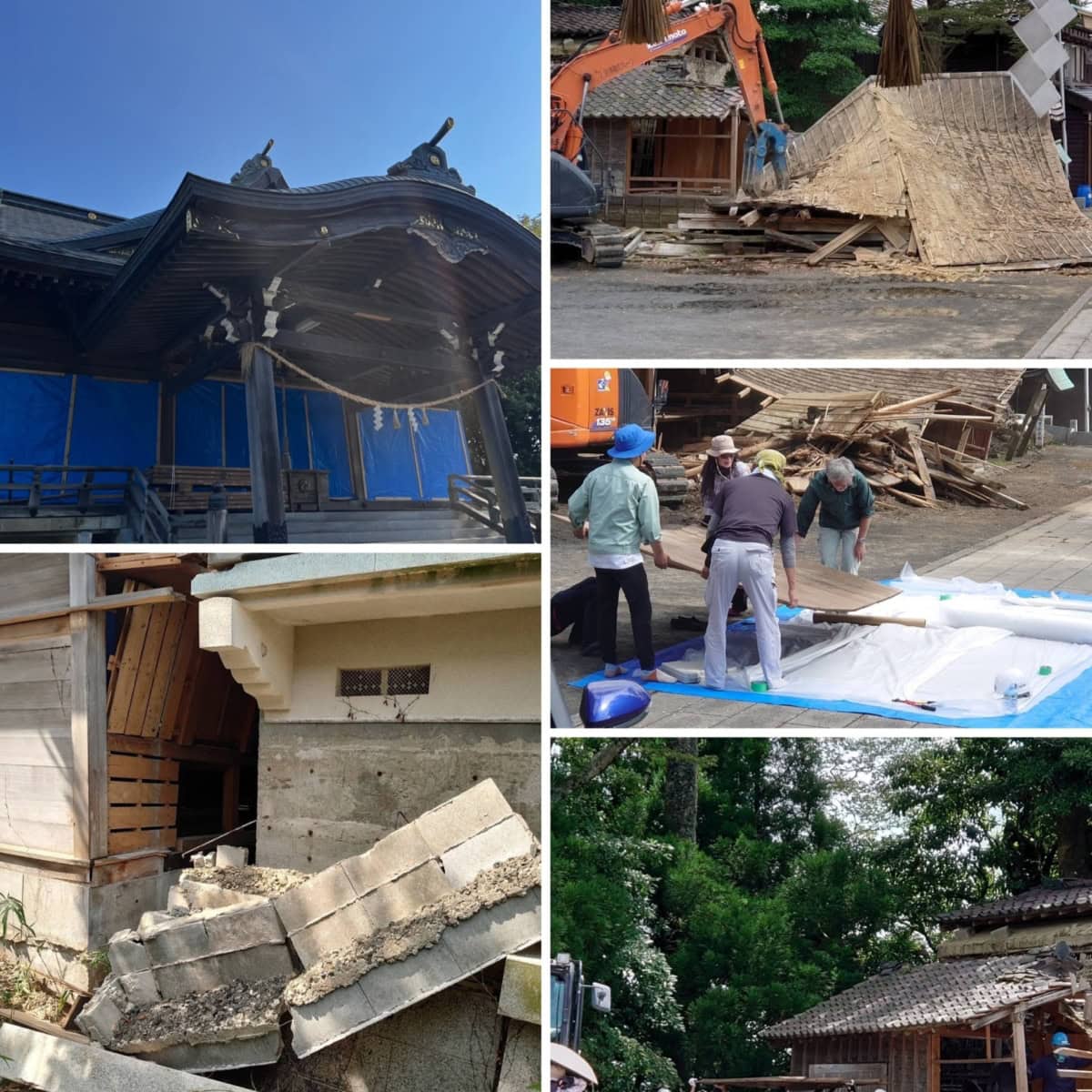
Apparently, entry to the main shrine building is restricted.
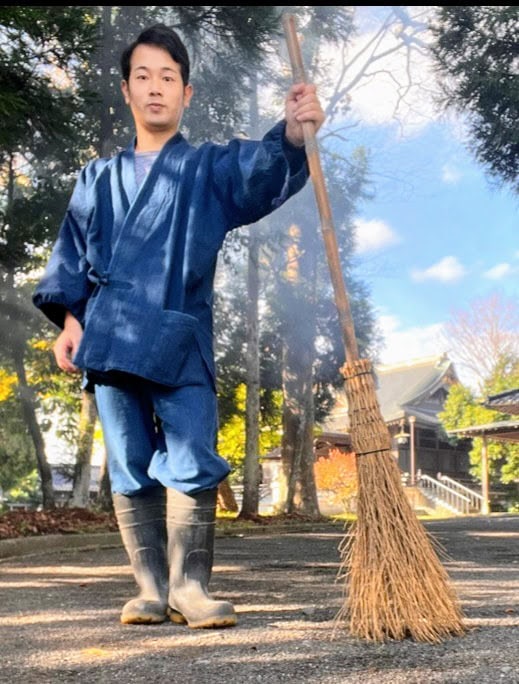
Though he is petite at 151 cm tall, he is a passionate young man with the grit he built through baseball, saying he will “open the Akamon gate with thoughts of Noto’s recovery in his heart.” We’re really rooting for him! Apparently his favorite artists are Shogo Hamada, Takuro Yoshida, and LINDBERG.
Operating members of Onagawa’s “Fukkou Otoko” from the Great East Japan Earthquake area
In Onagawa Town, Miyagi Prefecture(女川町), they apparently hold an evacuation drill called “Fukkou Otoko(復幸男)”, inspired by Nishinomiya’s Fukuotoko race.
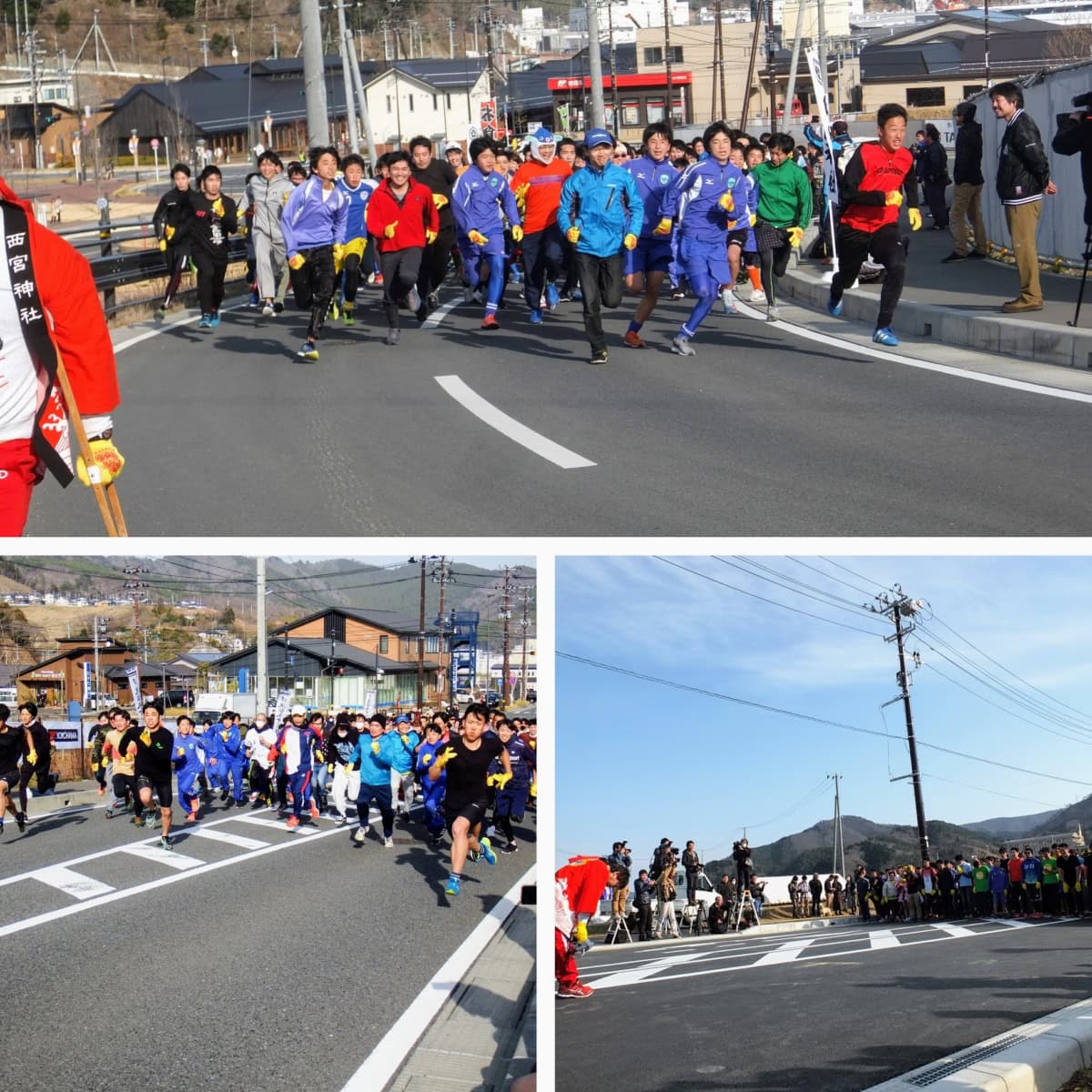
This time, three members came to the shrine, and one of them will join Kobayashi from Noto in handling the “gate holder” role.
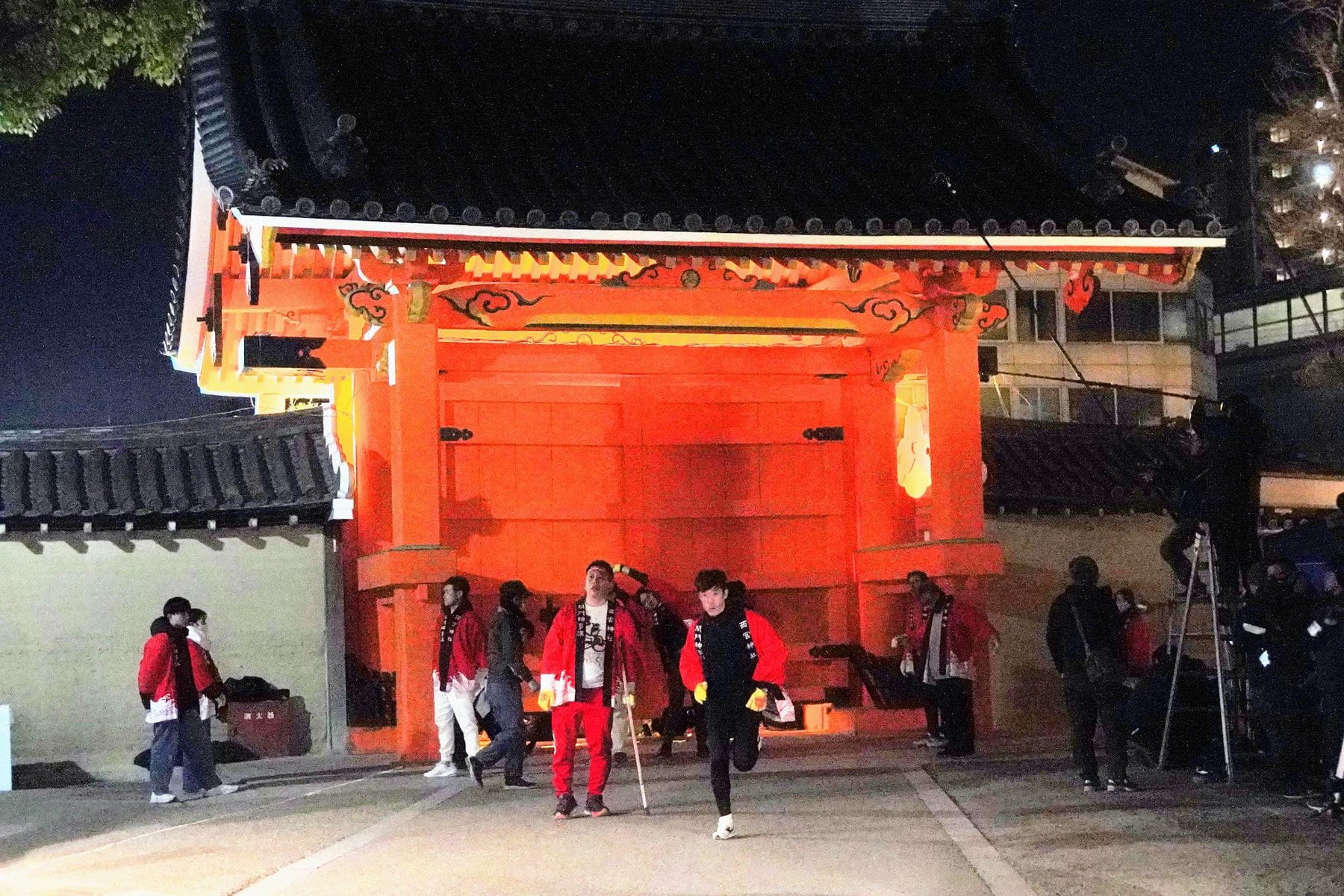
I do wonder if they’ll be okay practicing how to escape after the gate opens…
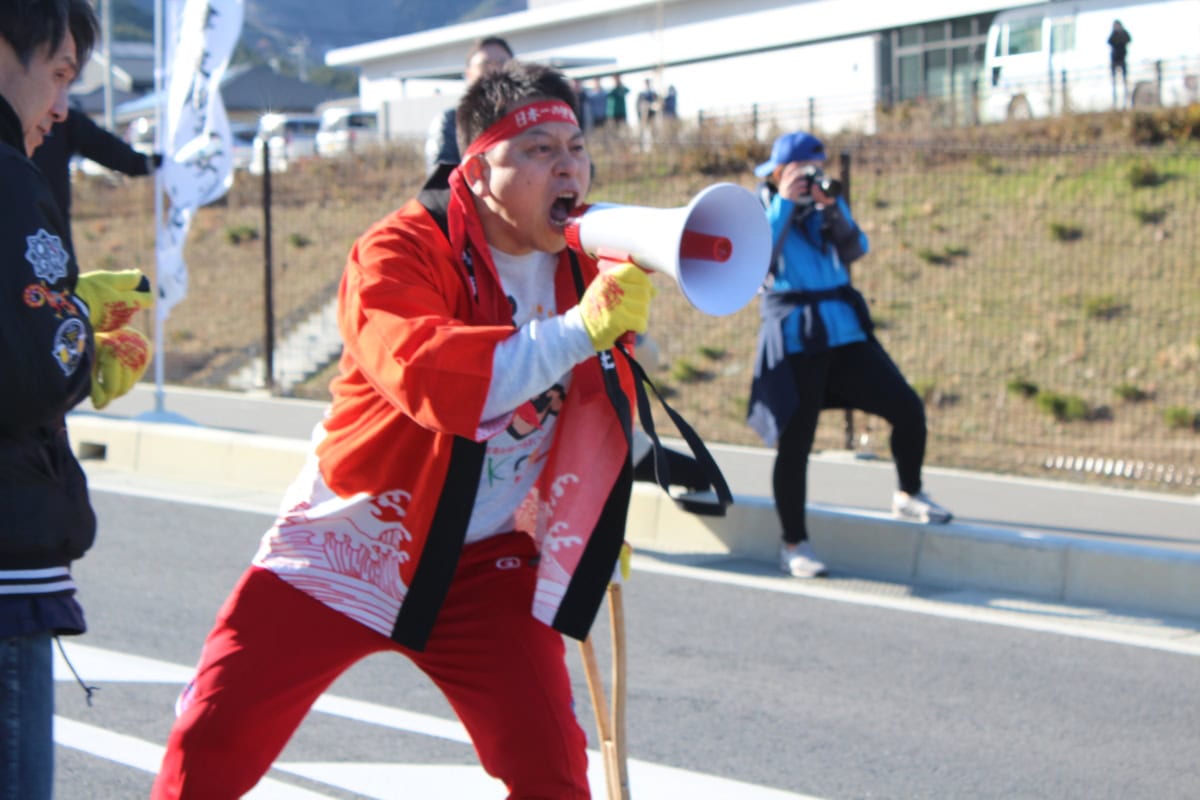
They’ll be fine! Mr. Hirao, the representative of the Kaimon Shinji Kosha, will be giving them solid guidance!
The first Fukuotoko and Fukume also coming from Gunma’s “Kiryu Nishinomiya Shrine”
Last November, the Kanto region’s first “Fukuotoko Erabi” was held at Kiryu Nishinomiya Shrine(桐生西宮神社),
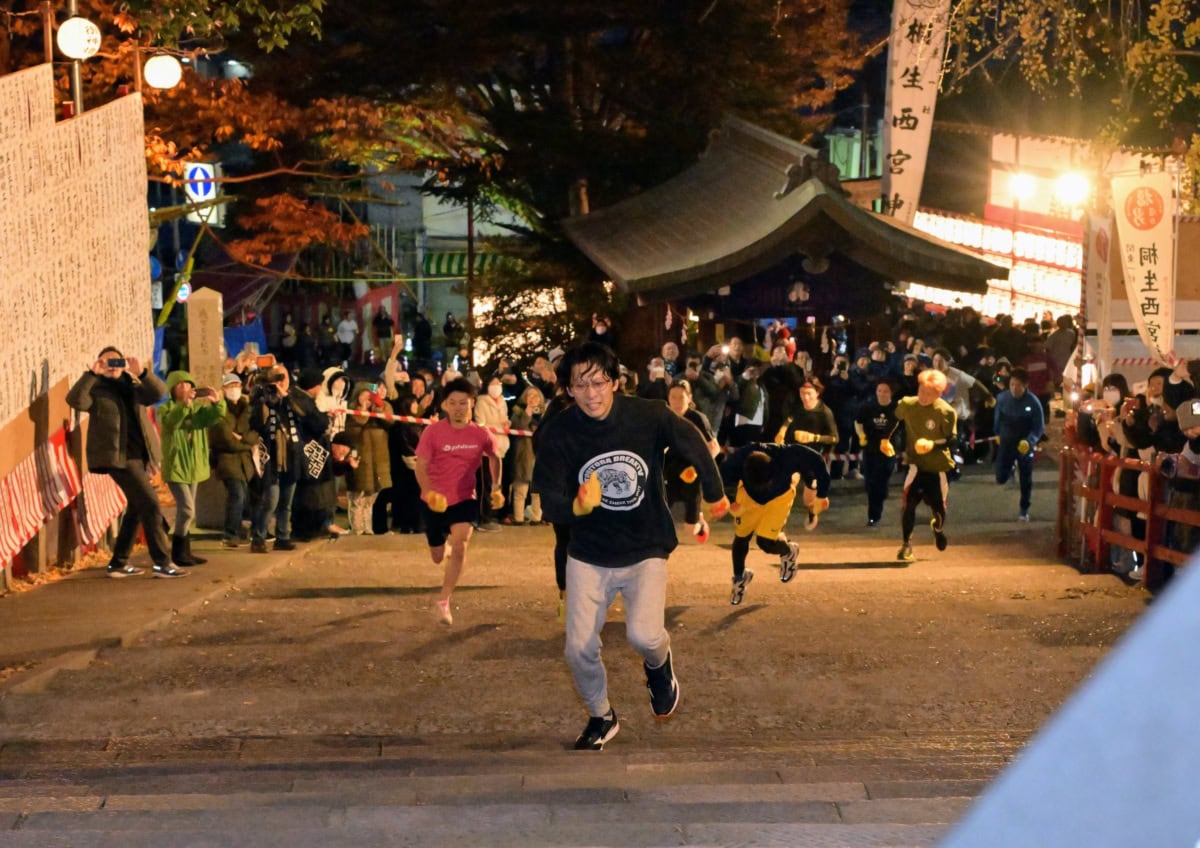
and the shrine’s first-place Fukuotoko and Fukume will be coming here.
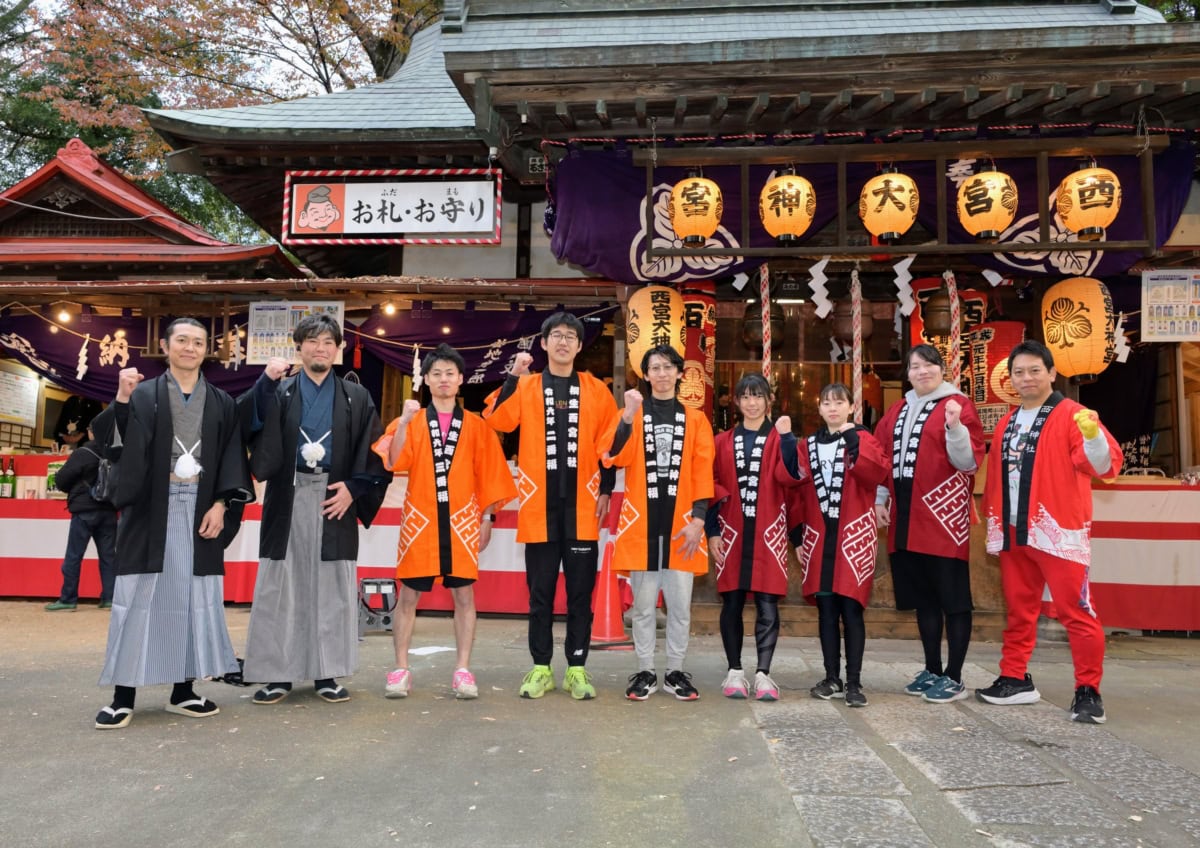
Two organizers will also be taking part, and it sounds like the exchange between the shrines will continue to grow from here. That’s Mr. Hirao on the far right. He’s spreading the Kaimon Shinji all across Japan!
A “charity strap” with four hidden disaster-related dates
Charity straps supporting areas affected by the Noto Peninsula Earthquake
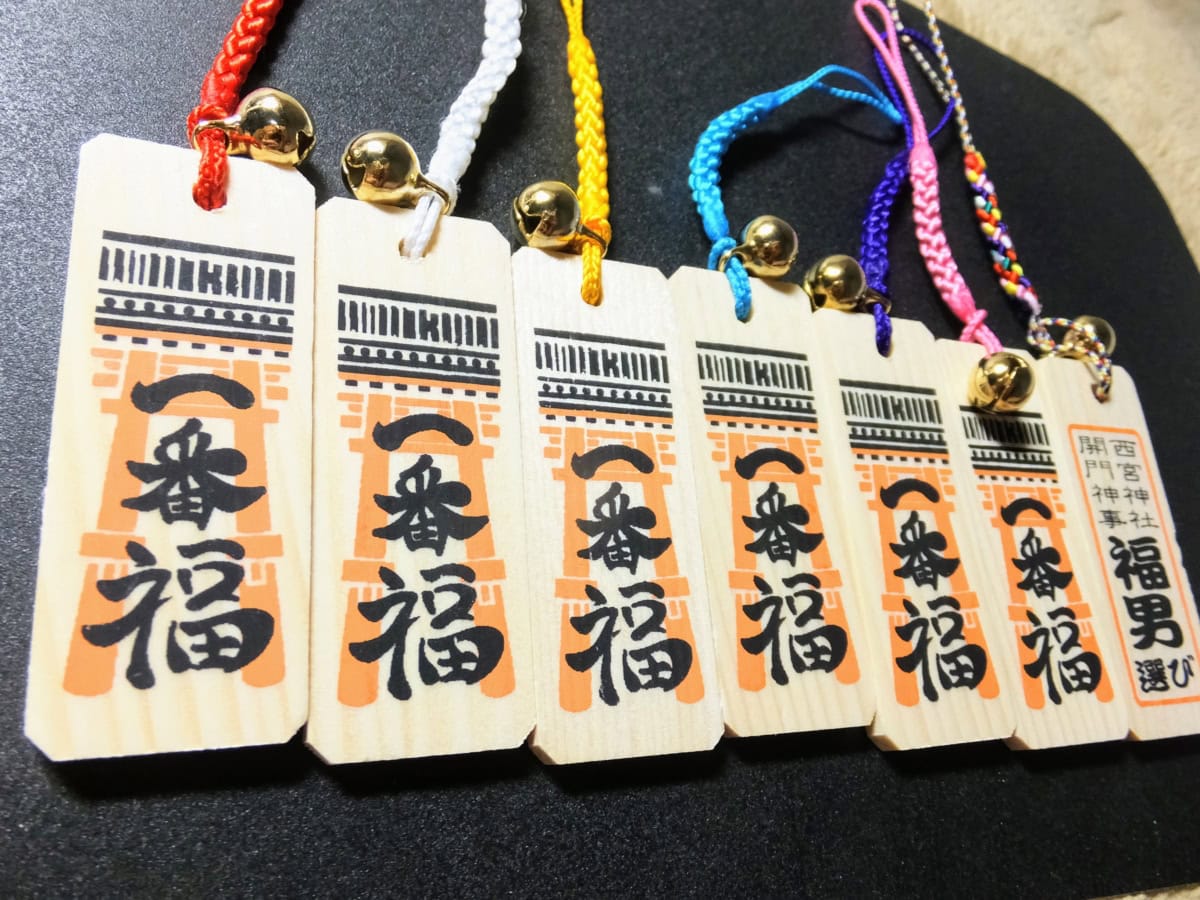
They come in seven types: red, white, yellow, blue, purple, pink, and five-color braid. Personally, I’m leaning toward red. White is nice too.
Actually, these have hidden characters on them.
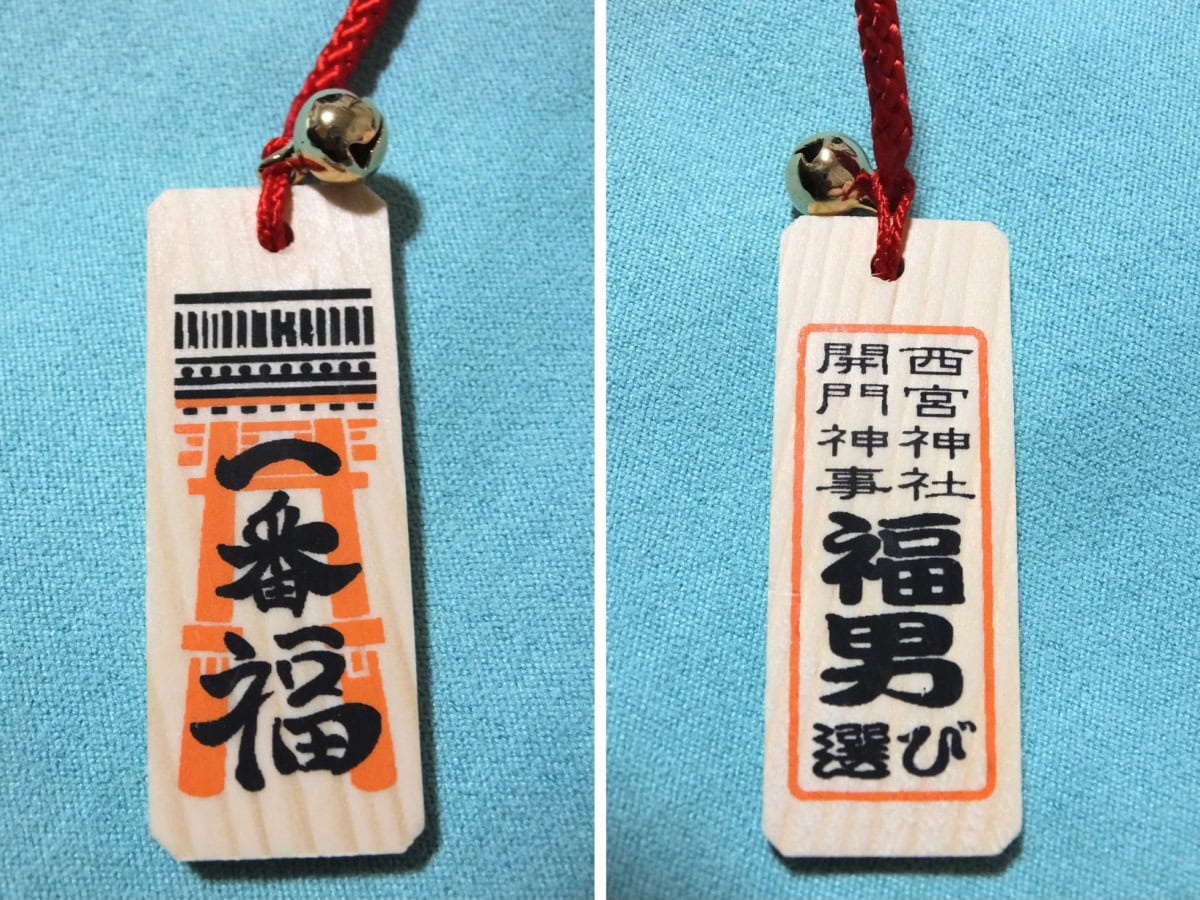
Can you see them?
Hidden in the roof of the Akamon gate on the front are four dates: 【1.10】【1.17】【3.11】【1.1】.
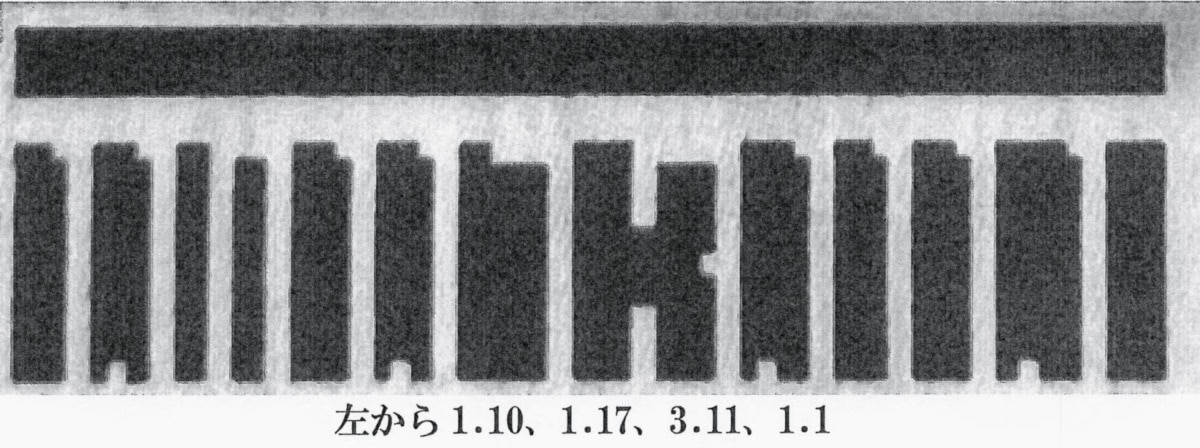
January 10, Hon Ebisu; January 17, the Great Hanshin-Awaji Earthquake; March 11, the Great East Japan Earthquake; and January 1, the Noto Earthquake… each one carries hopes for recovery.
The sales booth will be immediately to the left after entering through the Akamon gate. Each strap is 500 yen, and they’ll only be sold during Toka Ebisu from the 9th to the 11th, so don’t wait too long.
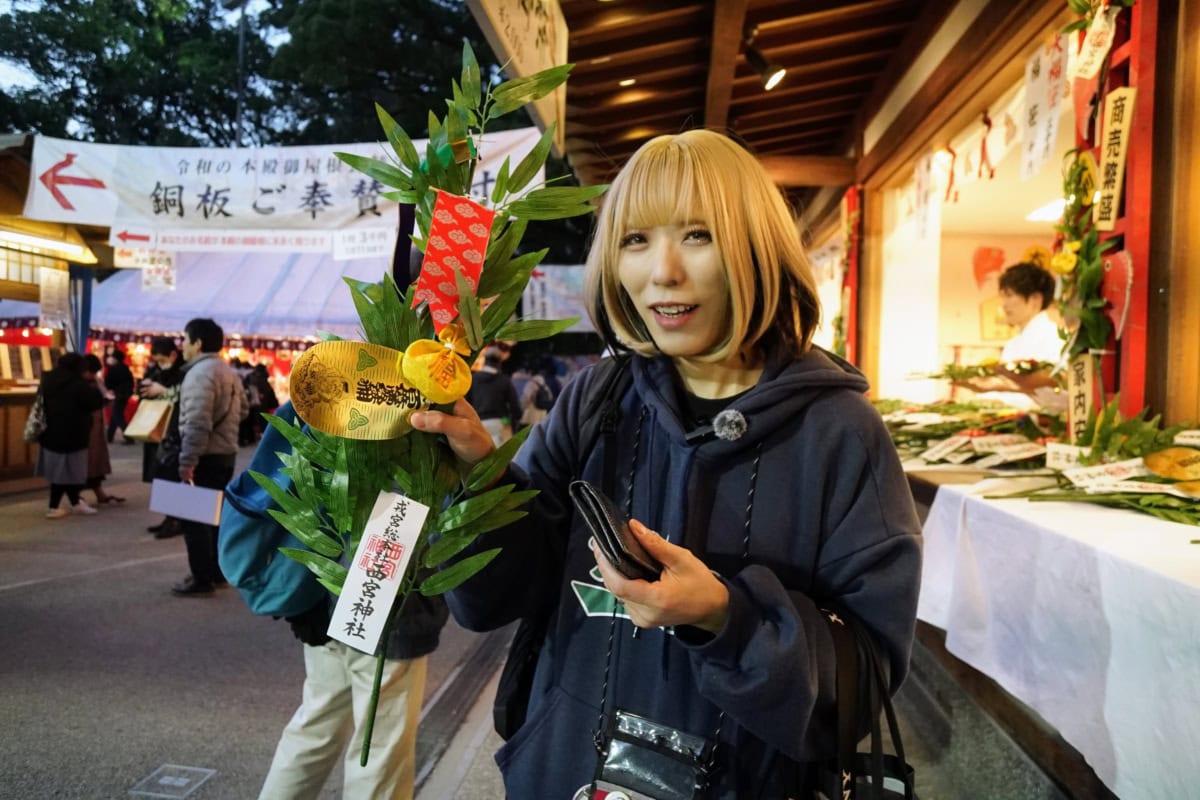
Proceeds from the sales will be donated to areas affected by the Noto Peninsula Earthquake to support recovery efforts. I’m thinking of getting one when I receive my lucky bamboo branch.
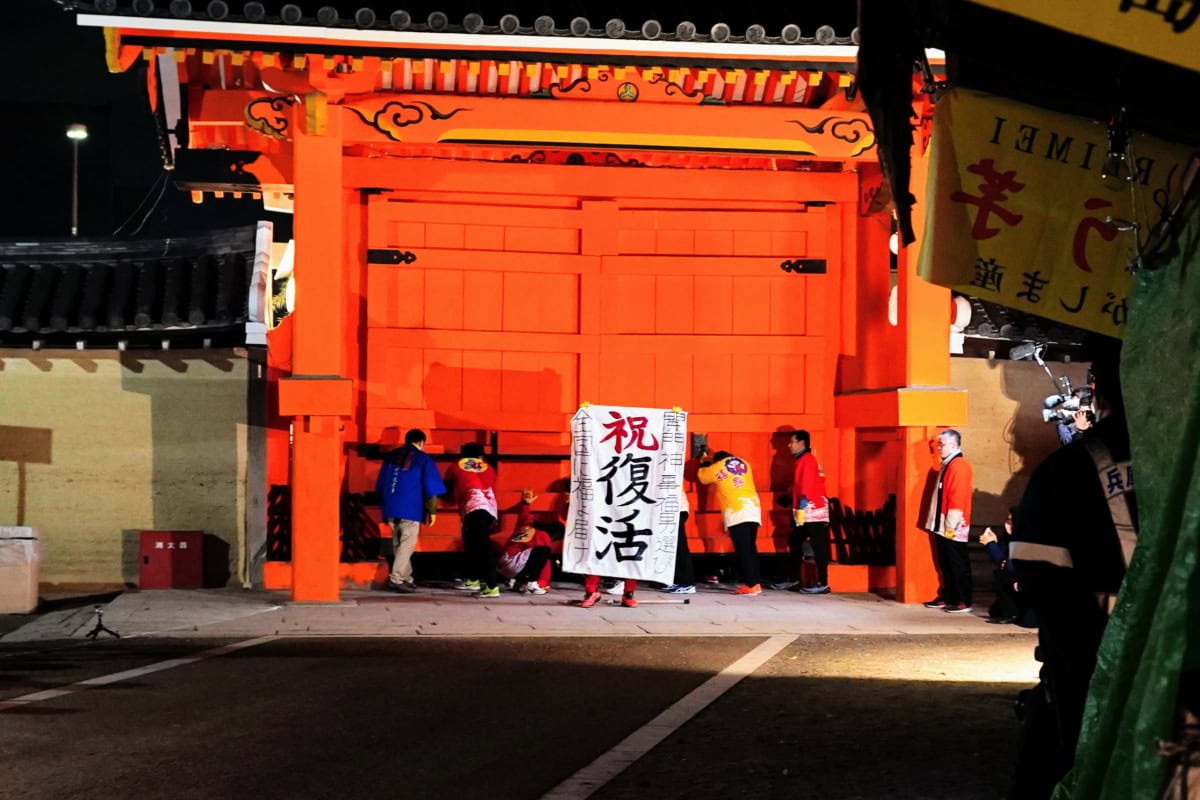
This year’s Kaimon Shinji will bring together people from Noto, Onagawa, Kiryu, and other places across Japan, including disaster-affected areas. It really looks like it will be something special. As Nishinomiya marks 30 years since the Great Hanshin-Awaji Earthquake, it would be wonderful if we could share in the spirit of recovery and revival. Let’s send good fortune from Nishinomiya to the whole country!