
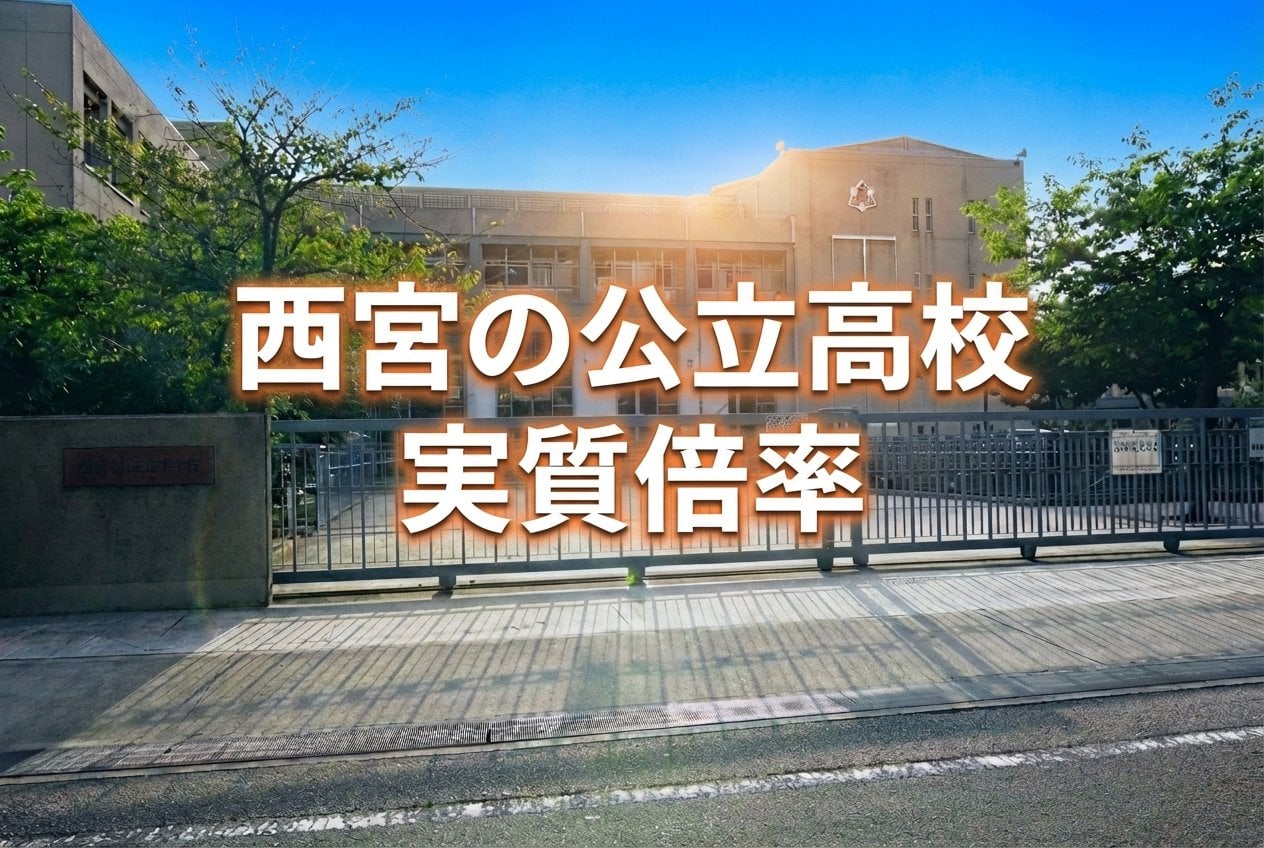

The results for the Hyogo Prefectural public high school general entrance exams were announced on March 19. Congratulations to everyone who got in〜! 🌸
This time, the number of successful applicants including second-choice applicants was also announced, so we asked Nishitsu Friends Juku Sherpa’s Tani-san to independently estimate the effective admission ratios for seven high schools in Nishinomiya!

The Hyogo Prefectural Board of Education does not publish a separate breakdown of first-choice and second-choice applicants, so these are only estimates. Still, I think they can serve as a useful reference for understanding this year’s exam situation〜

So that means there are cases where you look only at the application ratio and think, “Oh, that’s about what I expected,” but in reality it was much tougher…?
Exactly. First, take a look at the table〜.
目次
Estimated Effective Admission Ratios for Seven High Schools in Nishinomiya
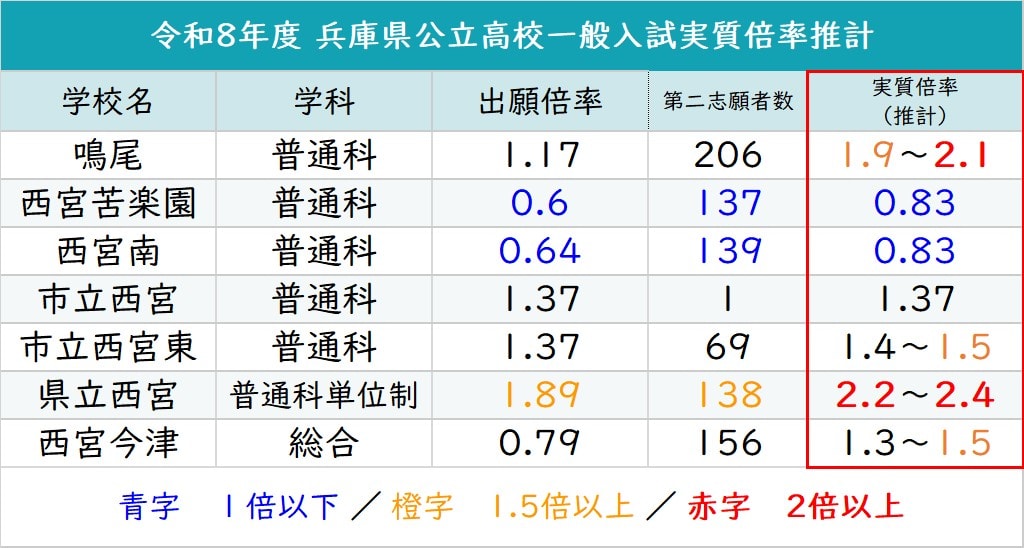
Wait, Prefectural Nishinomiya already had a high application ratio of 1.89, but the effective ratio was 2.4 times…!?
That’s right. Some schools were tougher than they looked at first glance. Let’s go through them one by one〜.
Why the “Application Ratio” Alone Doesn’t Show the Full Picture
Hyogo Prefecture uses a multiple-choice application system, so it’s hard to see how competitive things really are from the application ratio alone. The effective competition changes quite a bit depending on how many students come in through second-choice applications.
I see〜. So if there are a lot of second-choice applicants, the competition can be tougher than expected.
Did Free High School Tuition Reduce Second-Choice Applications?
By the way, what kind of impact did free high school tuition have? Did more students go private, reducing second-choice applications?
There was some impact, but the drop wasn’t as large as expected. Looking at the combined total for the seven schools in Nishinomiya〜
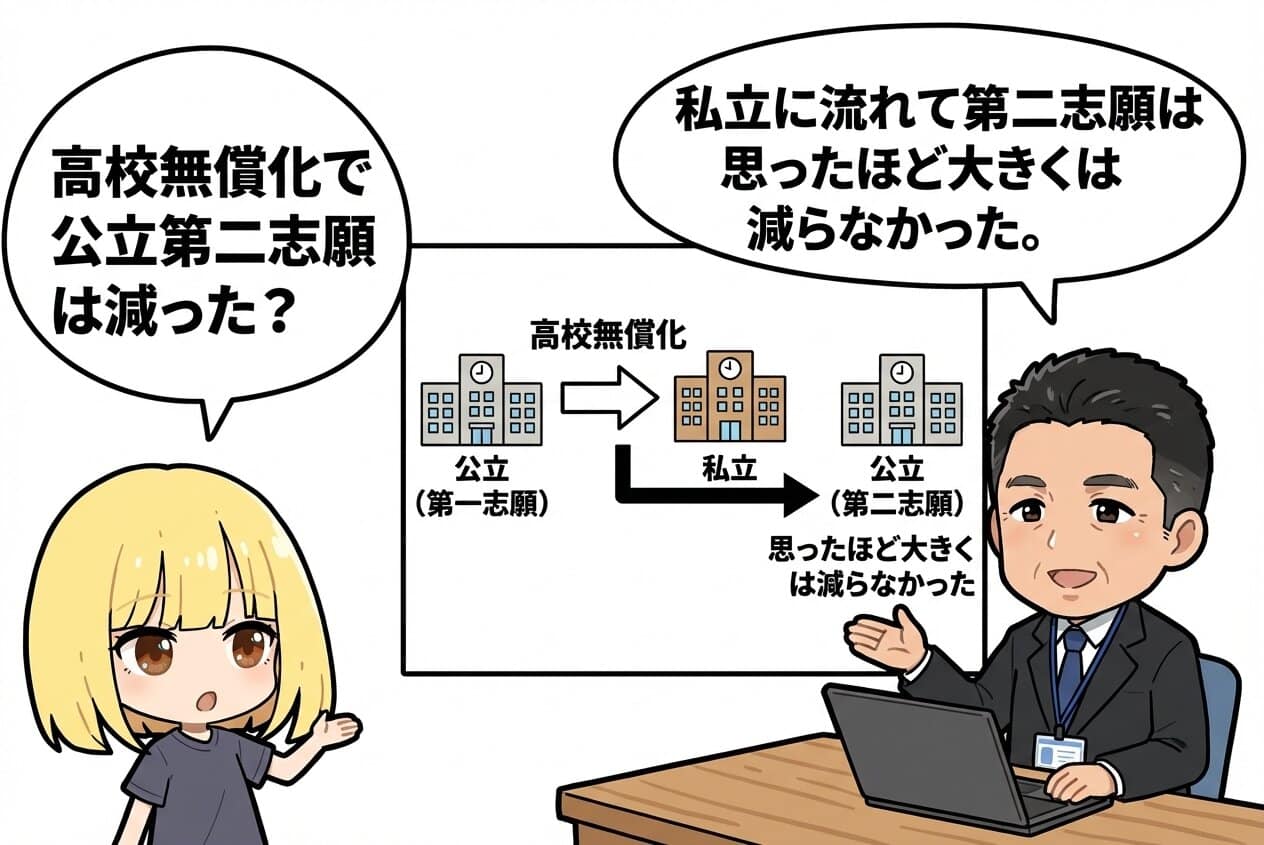
Trends in Second-Choice Application Rates (Total for Seven Schools in Nishinomiya)
令和7年度:Total applicants: 1,557; second-choice applicants: 944; second-choice application rate: 60.62%令和8年度:Total applicants: 1,476; second-choice applicants: 846; second-choice application rate: 57.31%
The total number of applicants decreased, but the second-choice application rate only fell by about 3%.
I thought it would drop much more sharply.
I expected the same, but it seems the desire to keep a public school option open is still pretty strong.
Prefectural Nishinomiya and Naruo Stood Out in Particular
Which schools stood out the most this time?
| School Name | Department | Application Ratio | Number of Second-Choice Applicants | Effective Ratio (Estimate) |
|---|---|---|---|---|
| Naruo | General Course | 1.17 | 206 | 1.9〜2.1 |
| Nishinomiya Kurakuen | General Course | 0.60 | 137 | 0.83 |
| Nishinomiya Minami | General Course | 0.64 | 139 | 0.83 |
| Municipal Nishinomiya | General Course | 1.37 | 1 | 1.37 |
| Municipal Nishinomiya Higashi | General Course | 1.37 | 69 | 1.4〜1.5 |
| Prefectural Nishinomiya | General Course Credit System | 1.89 | 138 | 2.2〜2.4 |
| Nishinomiya Imazu | Integrated Course | 0.79 | 156 | 1.3〜1.5 |
Prefectural Nishinomiya High School (General Course Credit System)
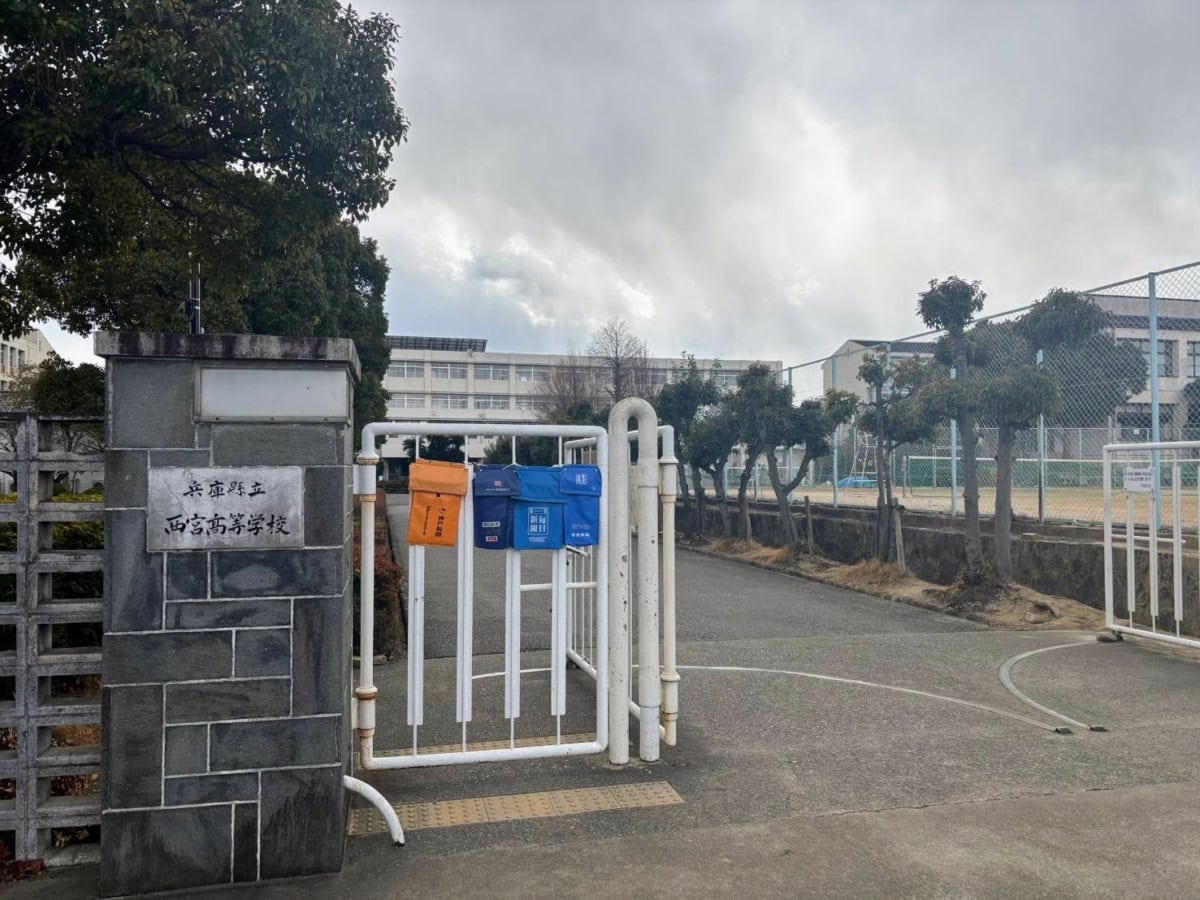
It has to be Prefectural Nishinomiya. On top of an application ratio of 1.89, there were 138 second-choice applicants. The effective ratio may have been around 2.2〜2.4 times.
It was already intense during the recommendation-based admissions, but the general entrance exam was really competitive too〜〜
Naruo High School (General Course)
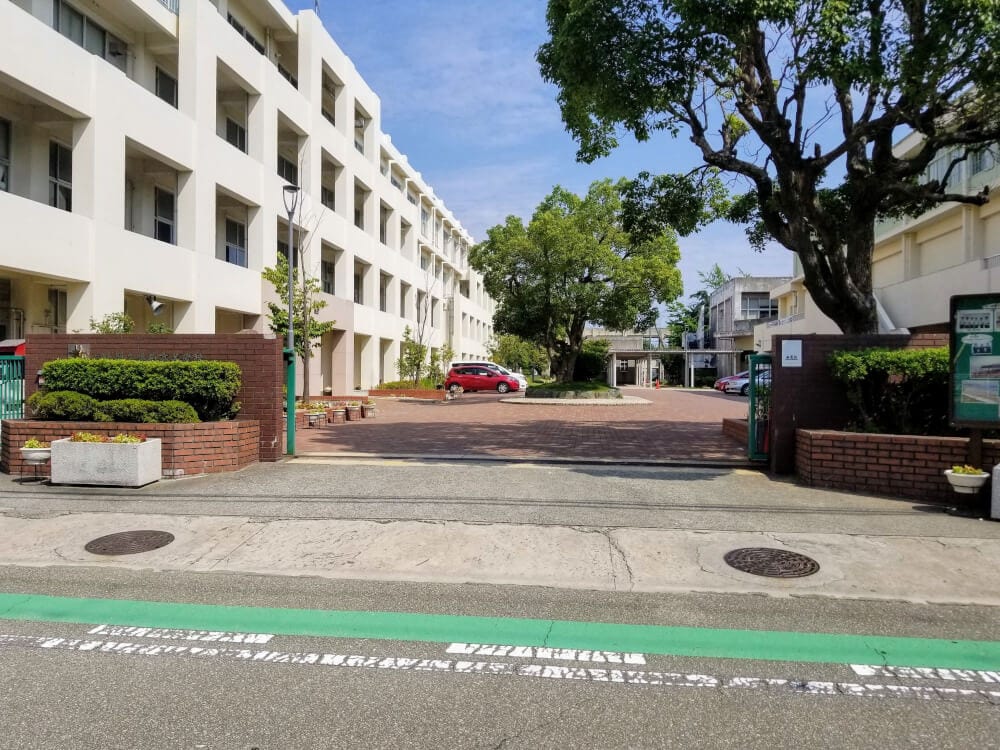
Another one to watch is Naruo High School. Its application ratio was 1.17, but there were 206 second-choice applicants, so I’m estimating the effective ratio at 1.9〜2.1 times.
If you only looked at the application ratio, you might think, “Well, that seems manageable,” but it’s totally different!
It means some schools were much tougher than they appeared.
Municipal Nishinomiya High School (General Course)
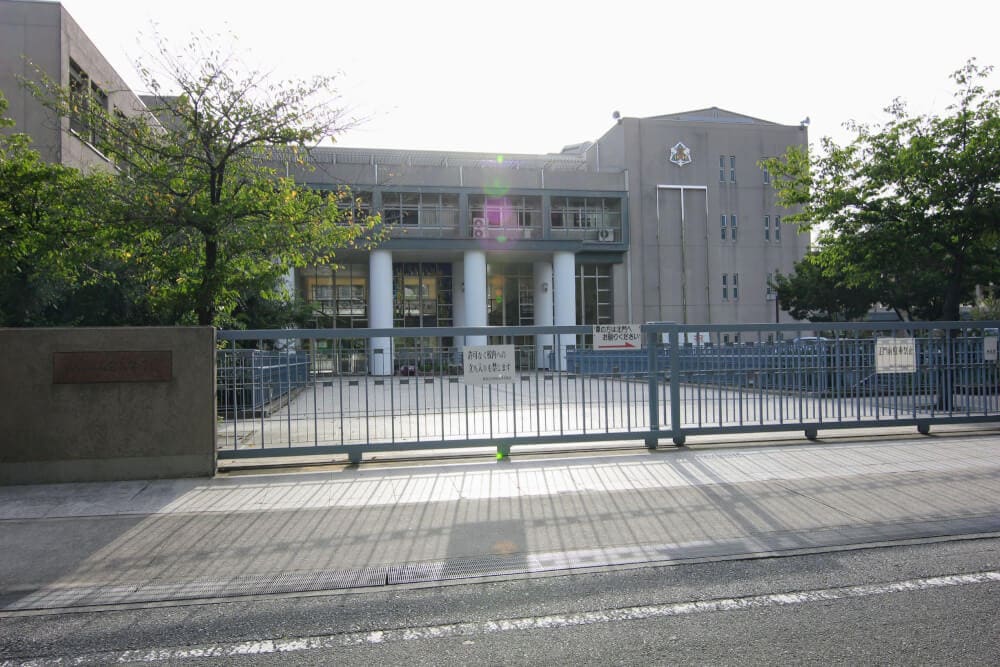
On the other hand, Municipal Nishinomiya had almost no second-choice applicants, so it seems reasonable to view its application ratio of 1.37 as essentially the effective ratio.