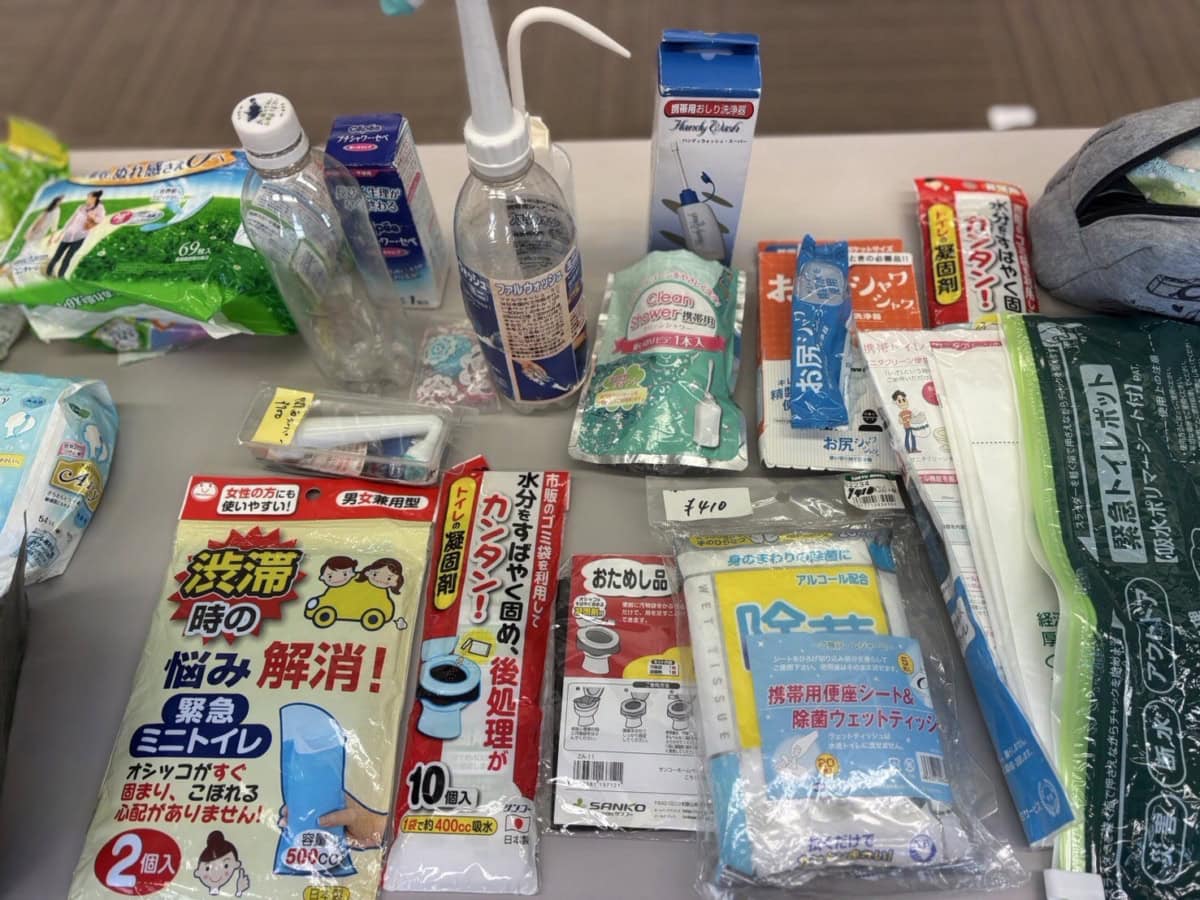



As 30 years have passed since the Great Hanshin-Awaji Earthquake, we spoke with someone from the secretariat of the “Nishinomiya Disaster Prevention Leaders Association”, who shared all kinds of practical disaster-preparedness tips that made us think, “Wait, you even have to watch out for that?”
目次
The 3 Disaster-Prevention Items to Start With

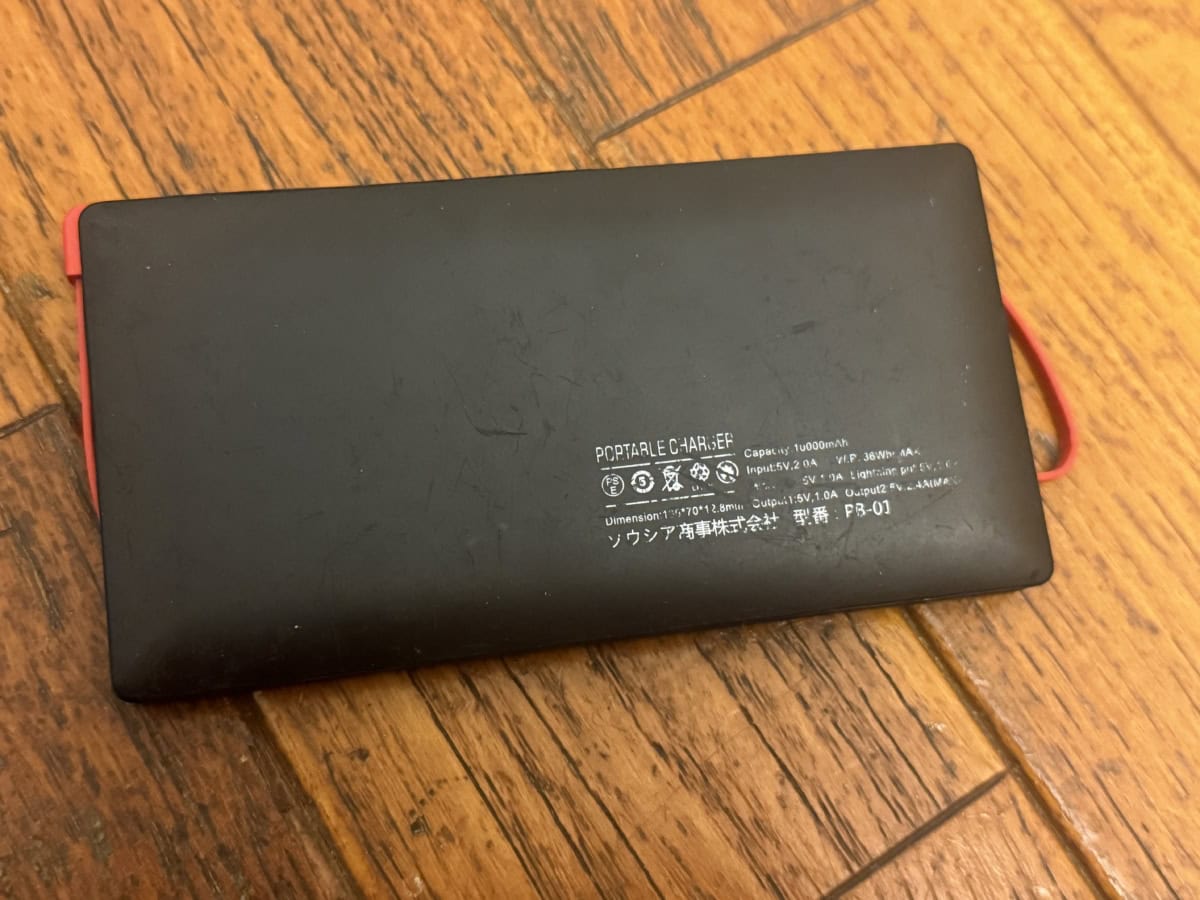

For mobile batteries, choosing one with a “PSE mark” is the safest bet. They’re useful as an emergency power source, but picking one carelessly just because it’s cheap could make it a fire hazard. Since it’s something you use regularly too, it’s worth preparing with quality in mind.
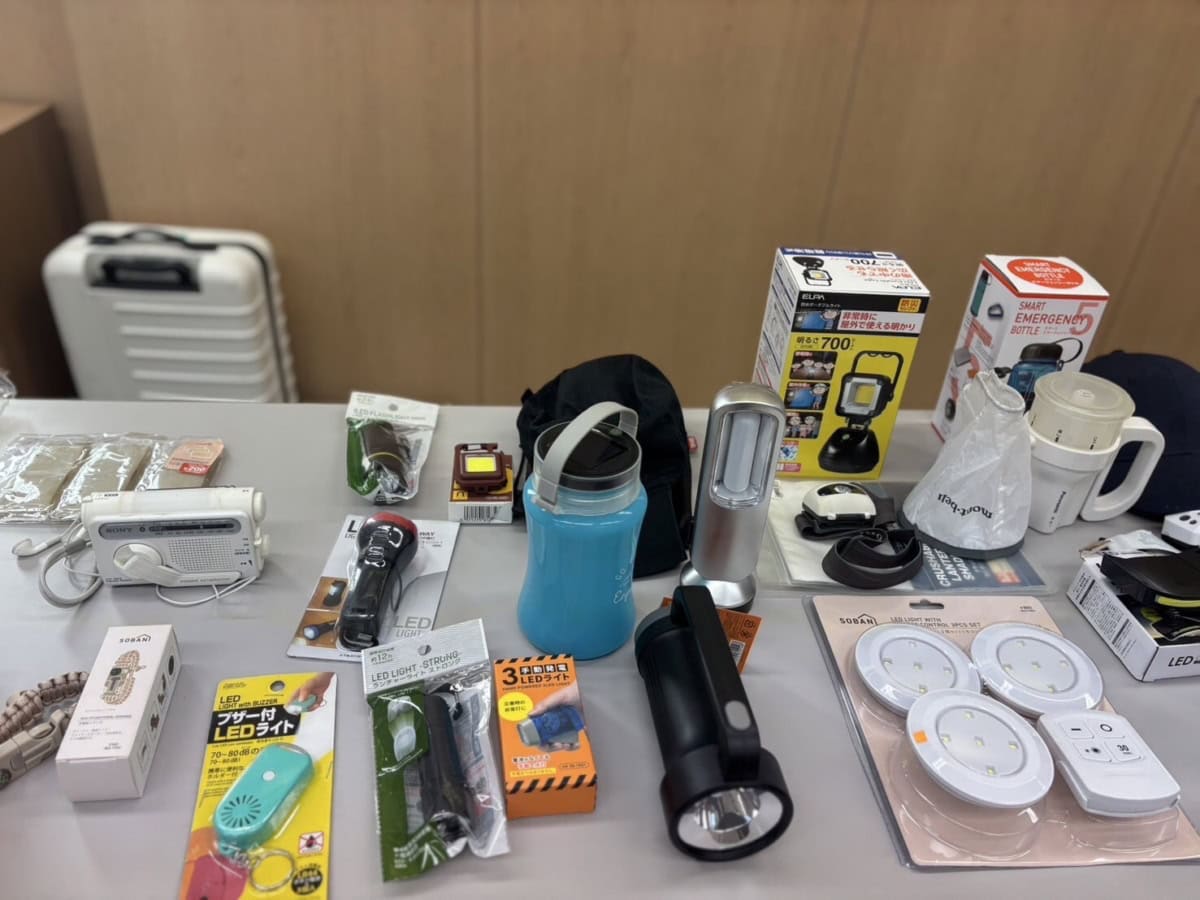
There are all kinds of lights like these.
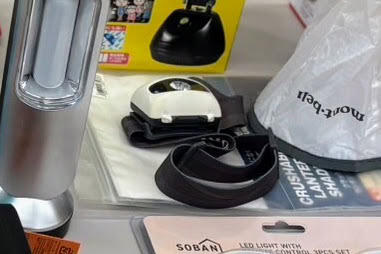
They recommend this type that you can wear around your head.
With a headlight, you can keep both hands free while securing light. During a disaster, things may be scattered everywhere and the risk of falling is high, so being able to clearly see your footing is a major point. You can also use it for regular outdoor activities or nighttime jogging, so it may come in handy more often than expected.
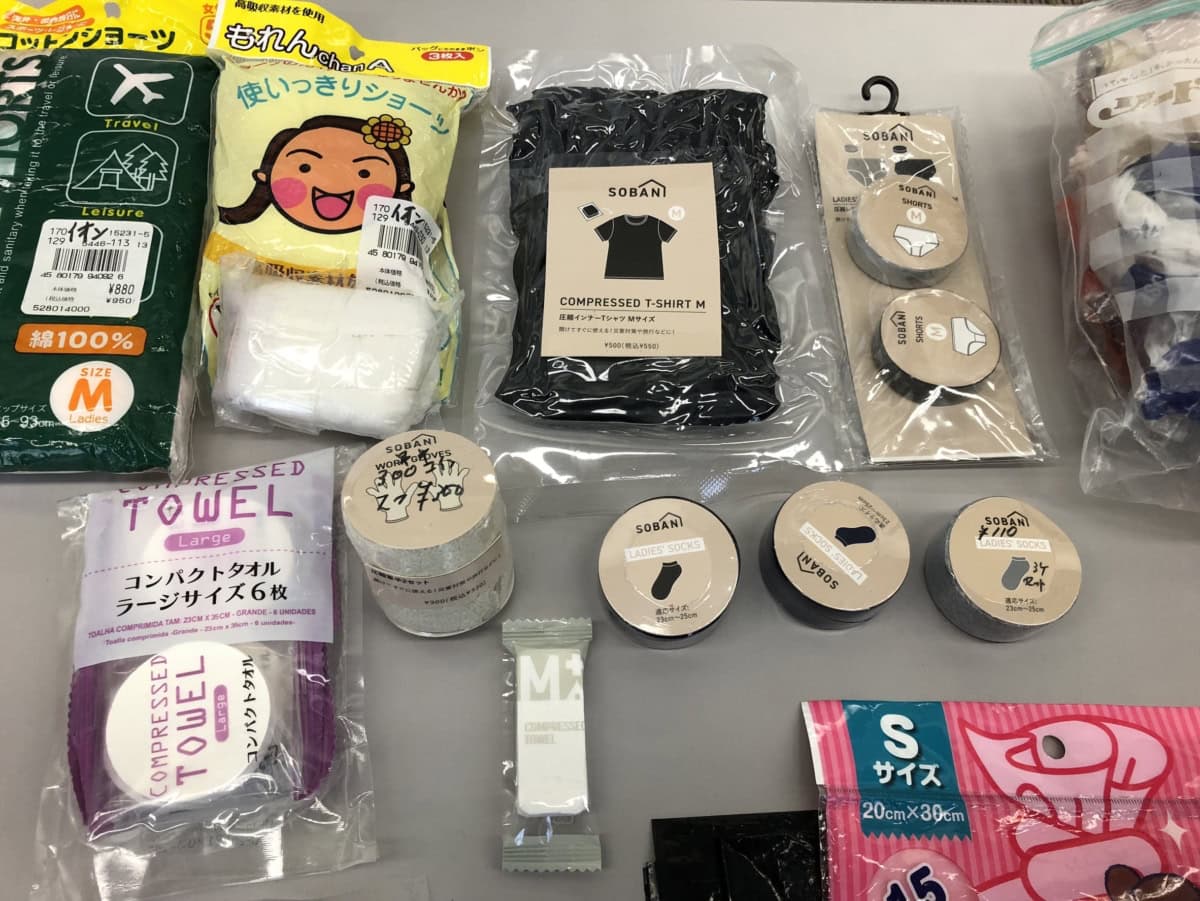
When you pop it open, it expands all fluffy, so it’s reassuring to know you can have clean clothes in an emergency.
Women in particular can feel more at ease by preparing sanitary products and underwear. If evacuation life drags on, it can become surprisingly stressful, so simply keeping compressed items on hand in advance can be a huge help.
Citizen Survey from the Time of the Earthquake and Practical Ideas
Take a look at this.
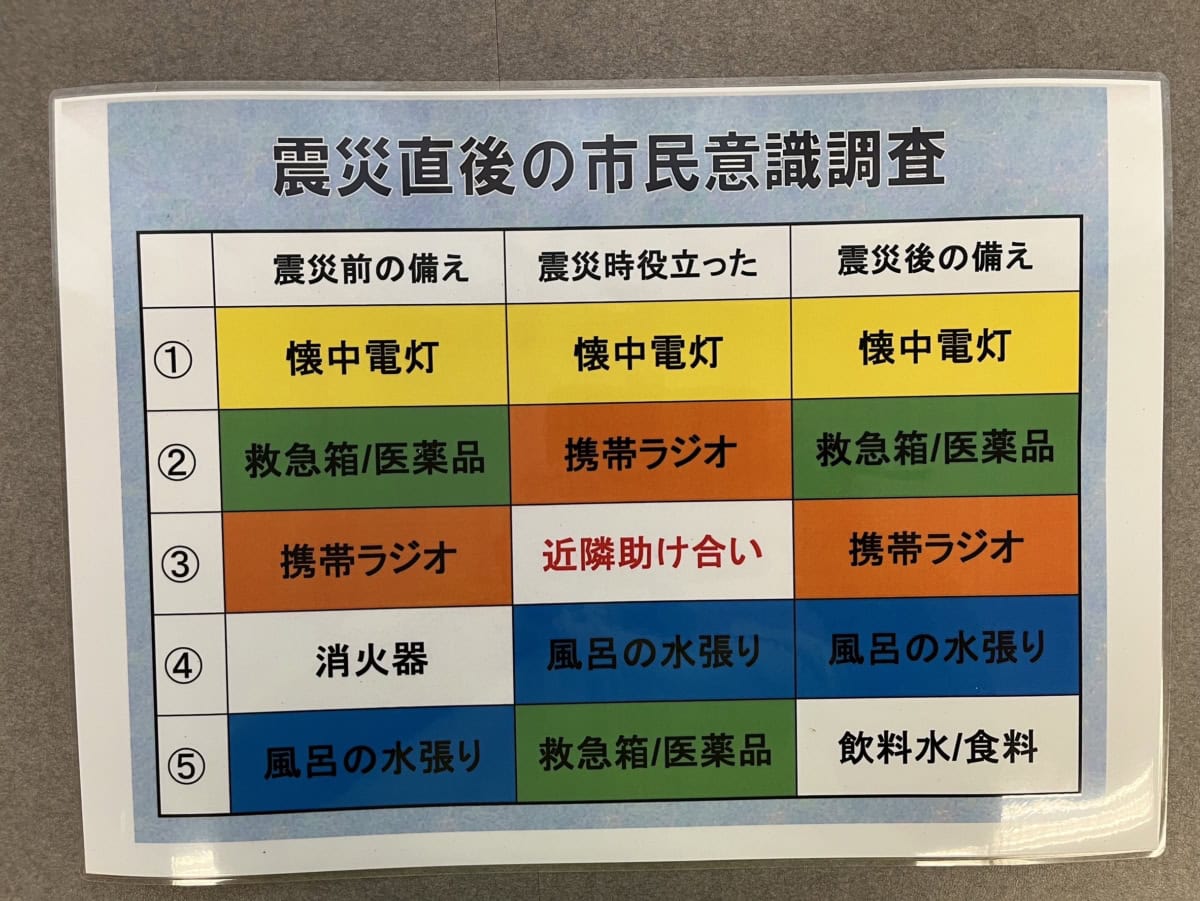
This is a survey from before and after the Great Hanshin-Awaji Earthquake.
“Flashlights” and “portable radios” were overwhelmingly popular, but what stands out here is that “mutual help among neighbors” ranked third among the things that were useful. During disasters, lifelines are often cut off, so it seems the reality was that people had to work together with those around them to get through it. These days, portable radios may have been replaced by smartphones.
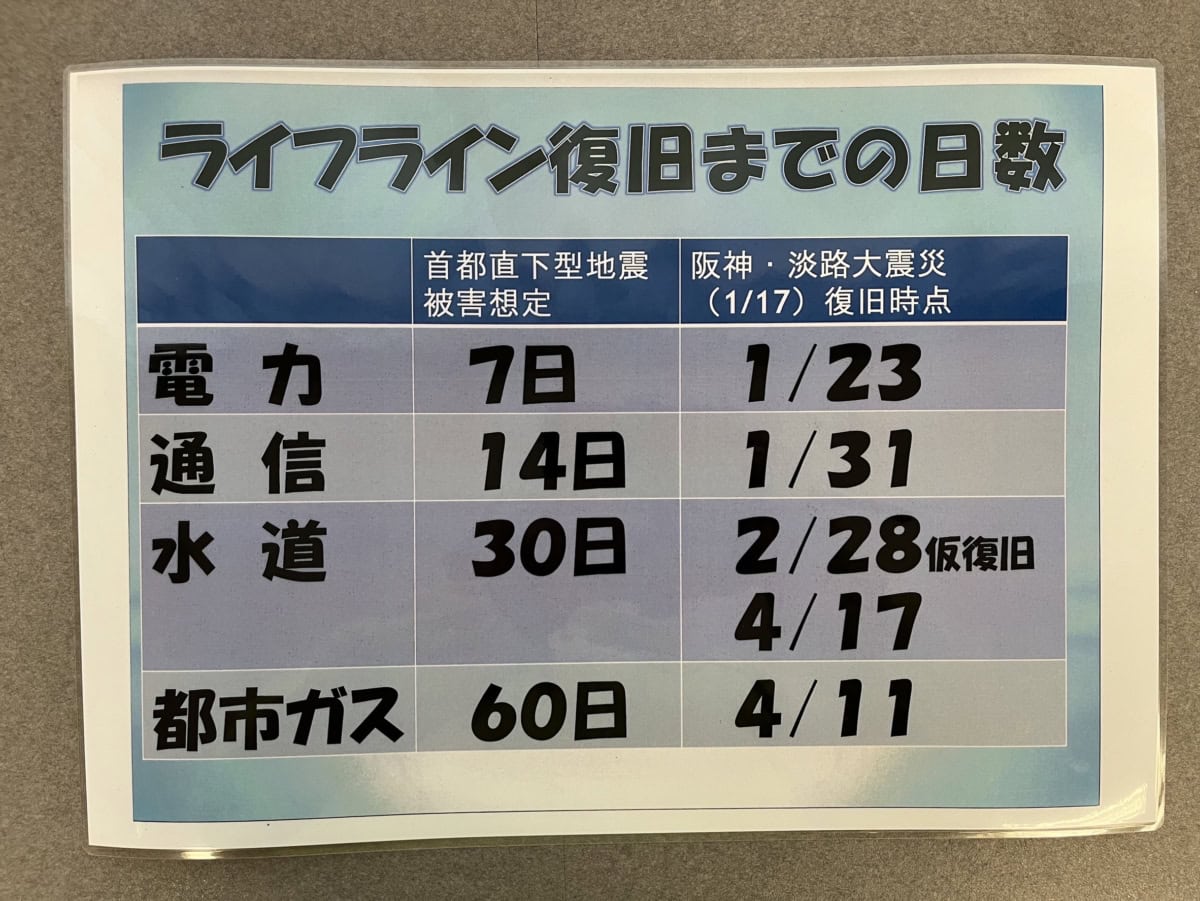
・Electricity: 7 days
・Communications: 14 days
・Water: 30 days
・City gas: 60 days
(Based on damage estimates for the Great Hanshin-Awaji Earthquake and a possible Tokyo inland earthquake, among other sources)
What If the Water Supply Stops? Think Separately About “Drinking Water” and “Daily-Use Water”
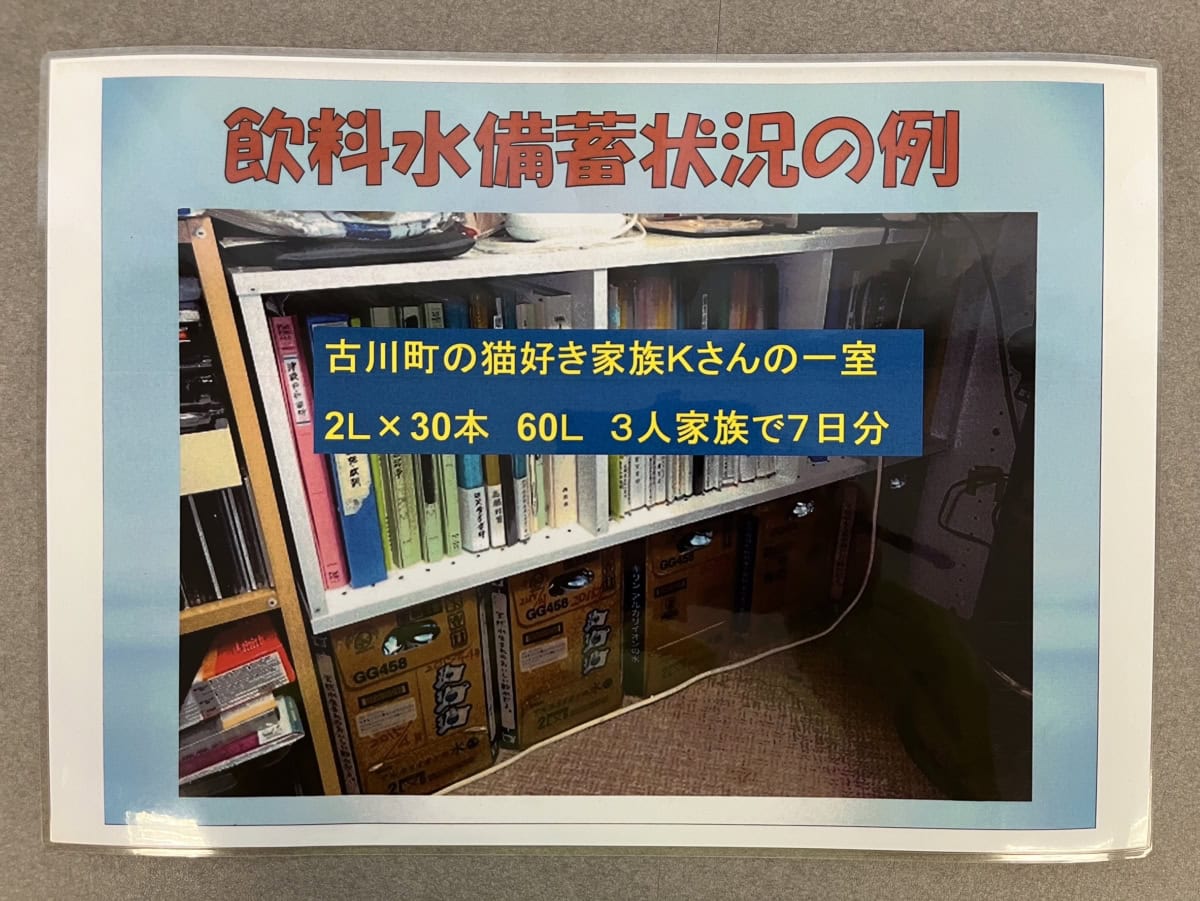
The cat-loving K family, who lives in Furukawa-cho in Nishinomiya, reportedly keeps 30 bottles of 2 liters each, for a total of 60 liters, stocked in one room. They use one week’s worth for a family of three as their guideline, managing it with the “rolling stock method,” where they use items closest to their expiration date in daily life and then restock them.
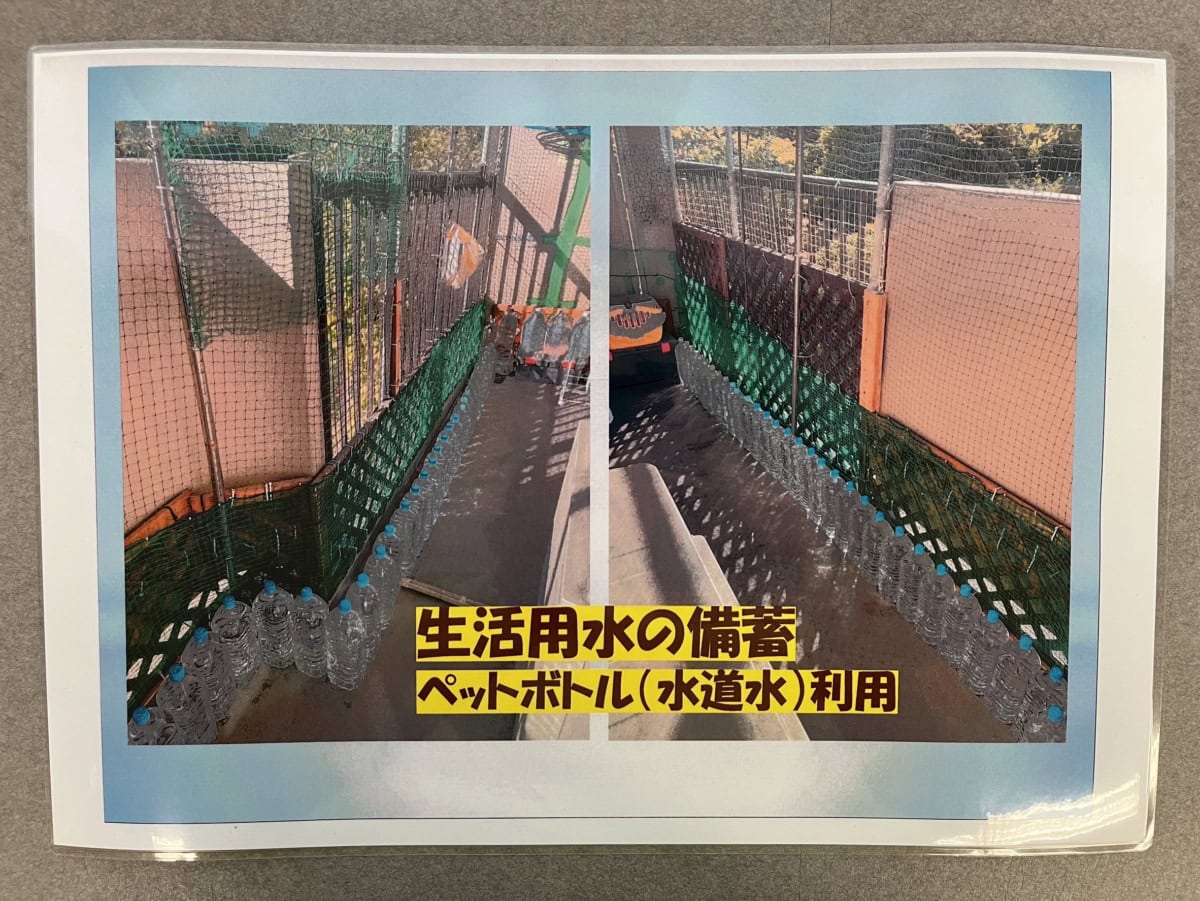
For Daily-Use Water, Put Tap Water in Plastic Bottles
Some people use leftover bathwater from daily baths, but there’s also a risk it could spill due to earthquake shaking. Having “at least 3 days’ worth, and ideally 1 week’s worth” stored in plastic bottles or water tanks can make a big difference in peace of mind.
“Necessary Disaster-Prevention Items” Change Depending on Your Family Makeup
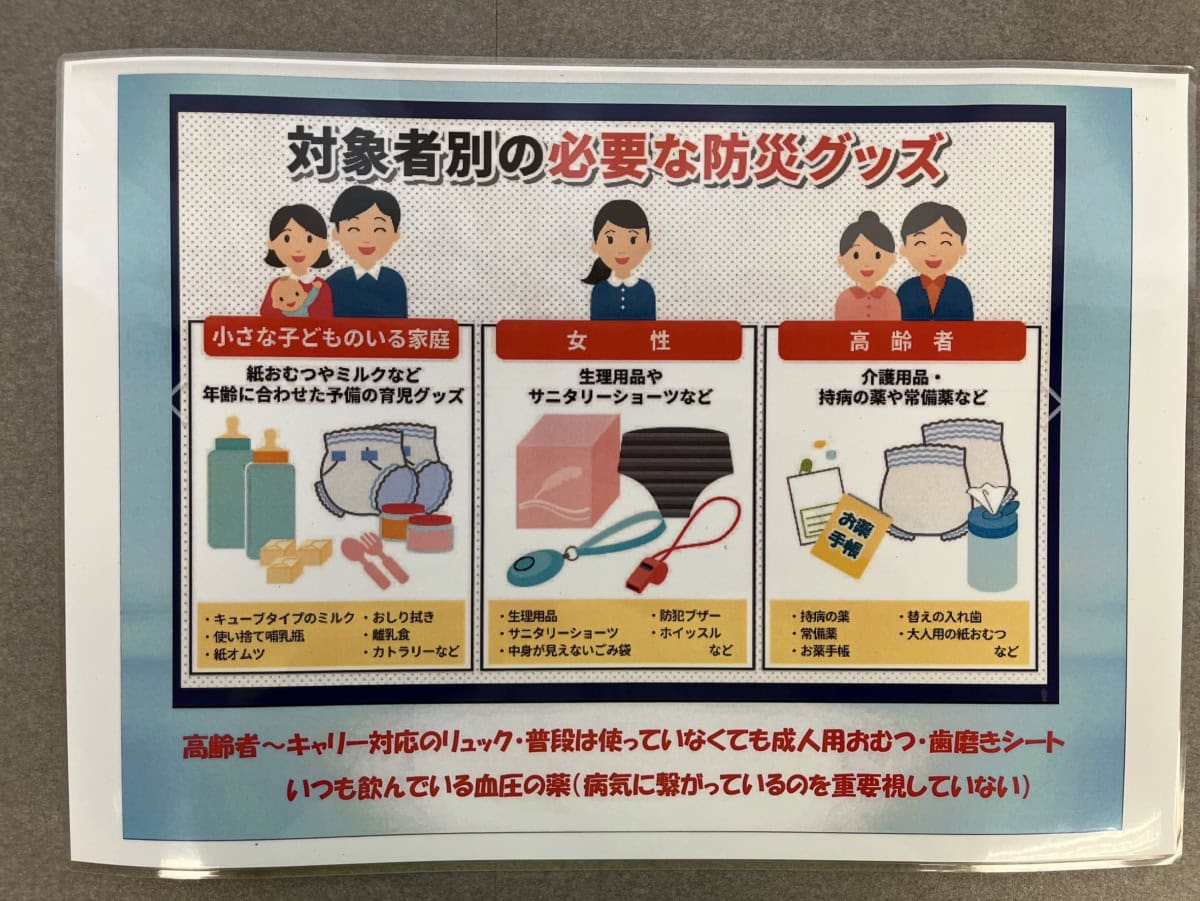
Households with Small Children
・Disposable diapers, cube-type formula, disposable baby bottles, baby food, baby wipes, cutlery, etc.
Women
・Sanitary products, period underwear, opaque garbage bags, personal safety alarms, whistles, etc.
Older Adults
・Caregiving supplies, medication for chronic conditions, spare dentures, a backpack compatible with a carry cart
Prepare Your Emergency Go-Bag by Imagining Life at an Evacuation Shelter
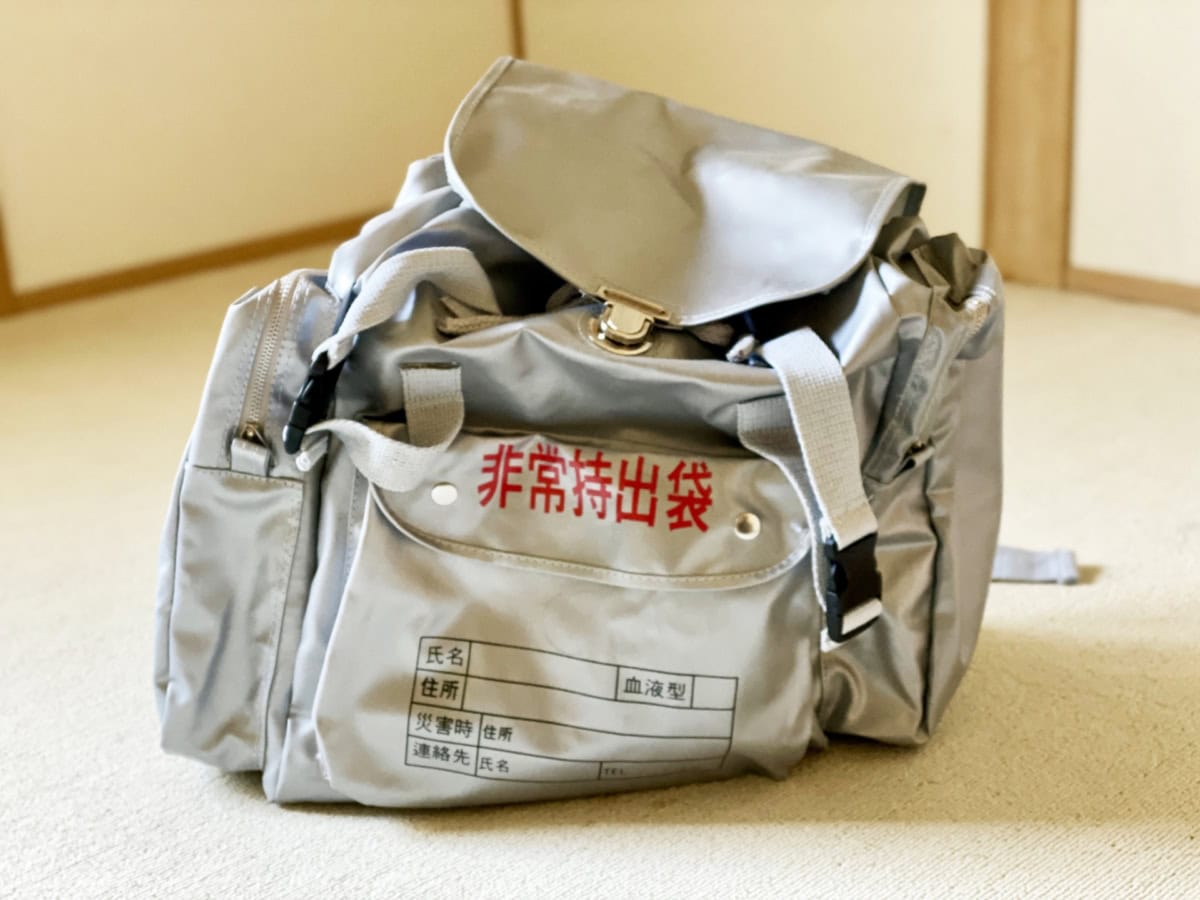
If you’re evacuating in the dark, a headlight is essential. With only one blanket, it’s tough to endure a cold floor for long hours, and it’s noisy around you, making it hard to sleep…
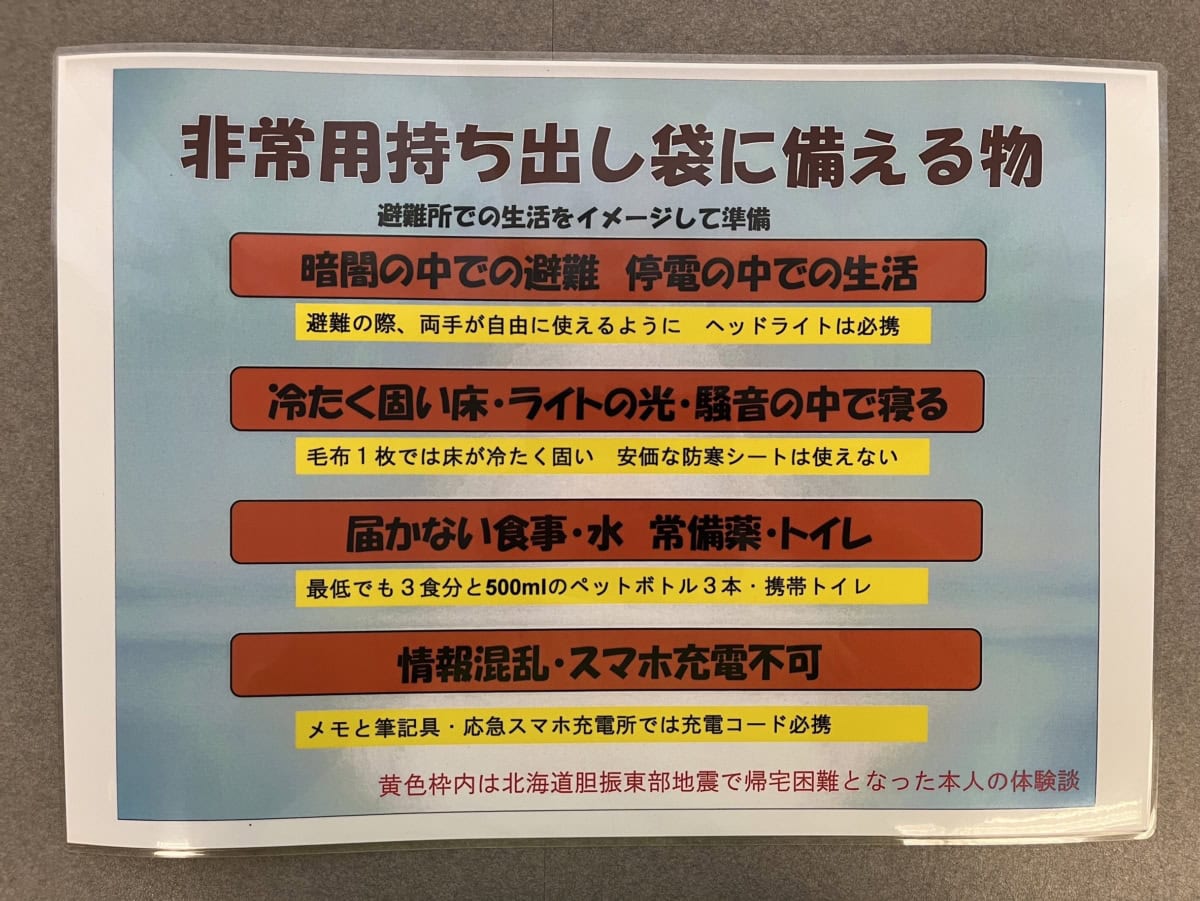
Some people say cheaper emergency thermal sheets tear easily and don’t keep you warm, so it may be worth considering a slightly better-quality sleeping bag or thick mat. And of course, if your phone runs out of power, you can’t get information, so don’t forget charging cables and spare batteries.