


Have you ever heard the word “Nikoku”?
Just as Yamate Kansen is shortened to “Yamakan” and National Route 171 to “Inaichi,” “Nikoku” is also an abbreviation for a certain road.
If you thought, “I know that, it means National Route 2,” it turns out that “Nikoku” originally referred to National Route 43.
What does that mean?
目次
What Is “Nikoku”?
The section of today’s National Route 2 from around Osaka to Kobe was originally called the “Hanshin National Highway.”
However, during Japan’s period of rapid economic growth, that single Hanshin National Highway could no longer handle the volume of logistics traffic. So in Showa 38, the “Second Hanshin National Highway” opened. This is today’s National Route 43.
And while the original Hanshin National Highway had been called “Hankoku,” the Second Hanshin National Highway came to be called “Nikoku.”
For more details about the Second Hanshin National Highway, please see here↓
Nishinomiya City Official Website
The “Nikoku” Overpasses
Many people may still remember hearing phrases like “the Nikoku overpass” or “the Nikoku pedestrian bridge.”
Even today, there are many overpasses along National Route 43.
Here are a few of them.

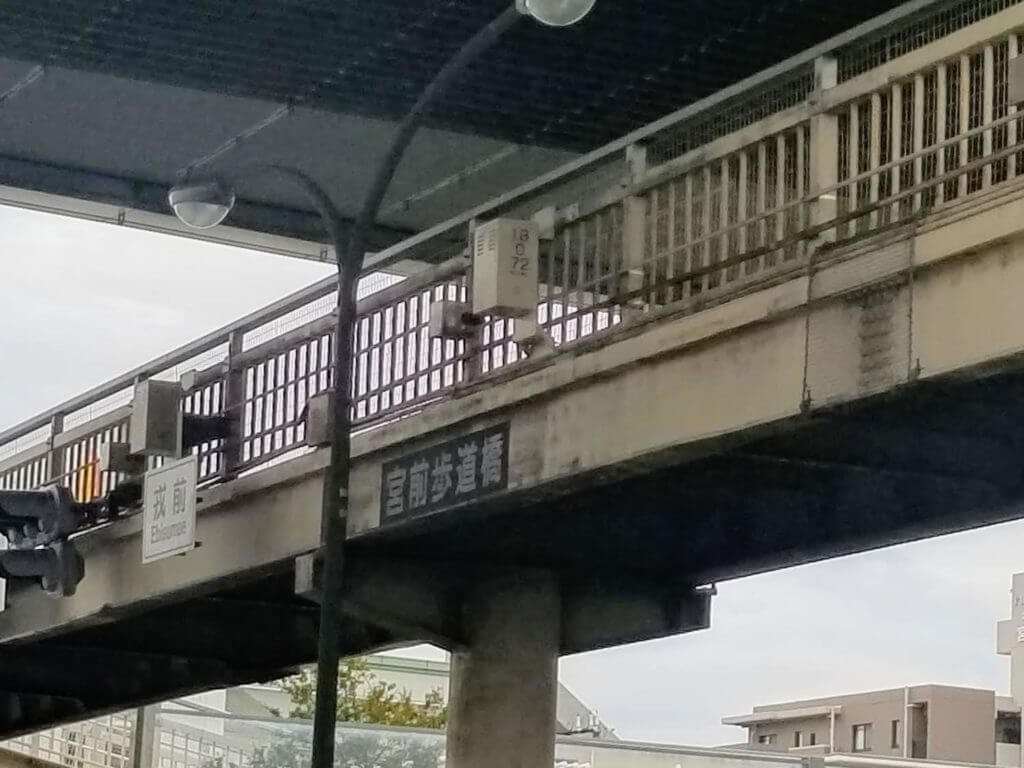
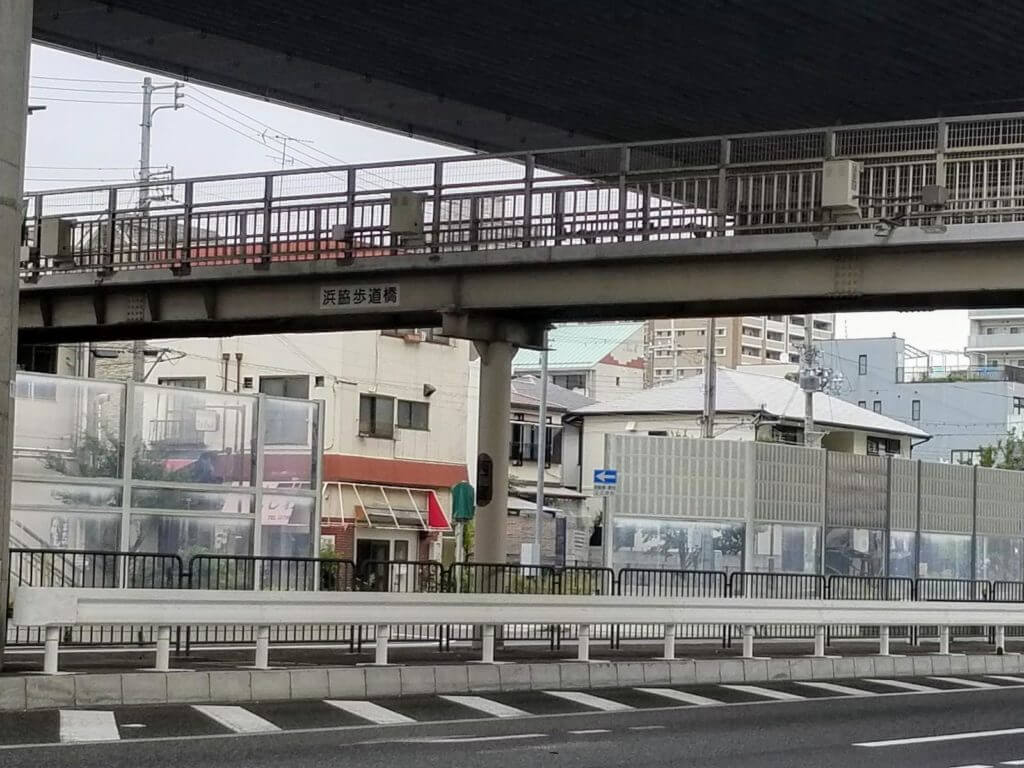

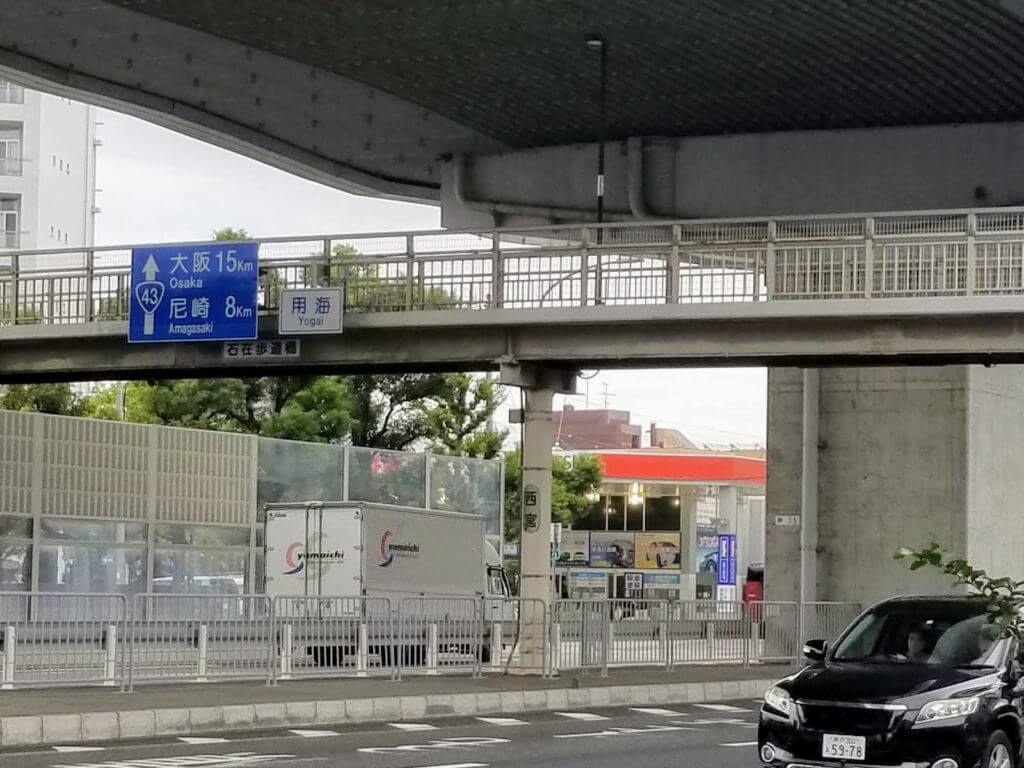
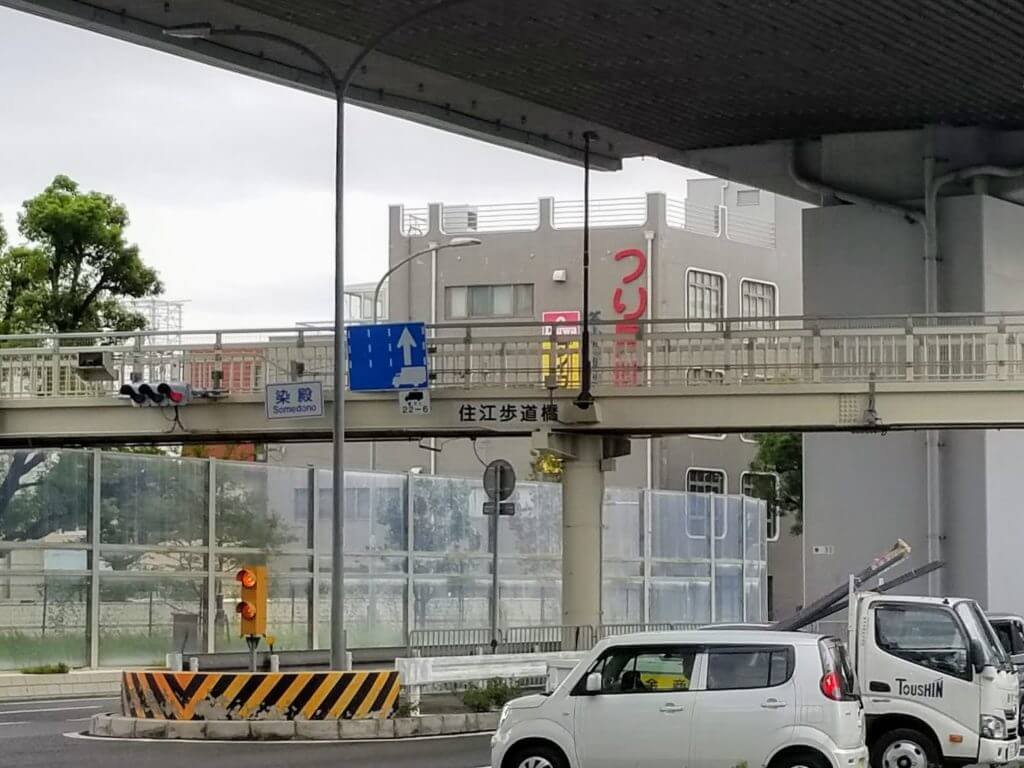
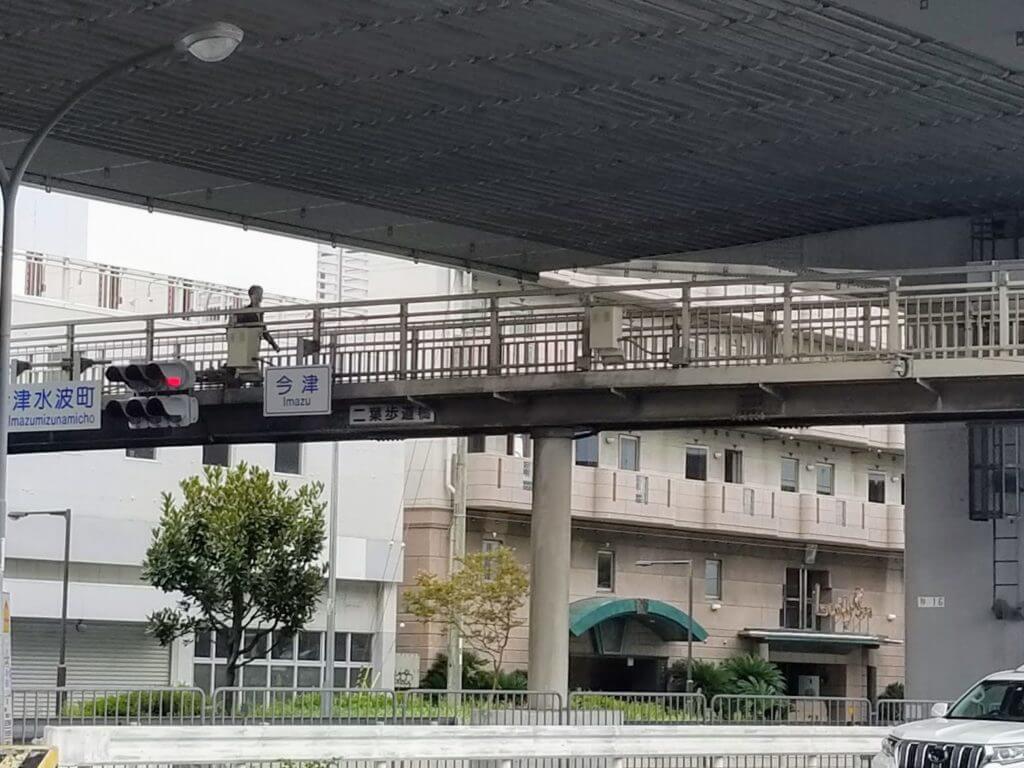


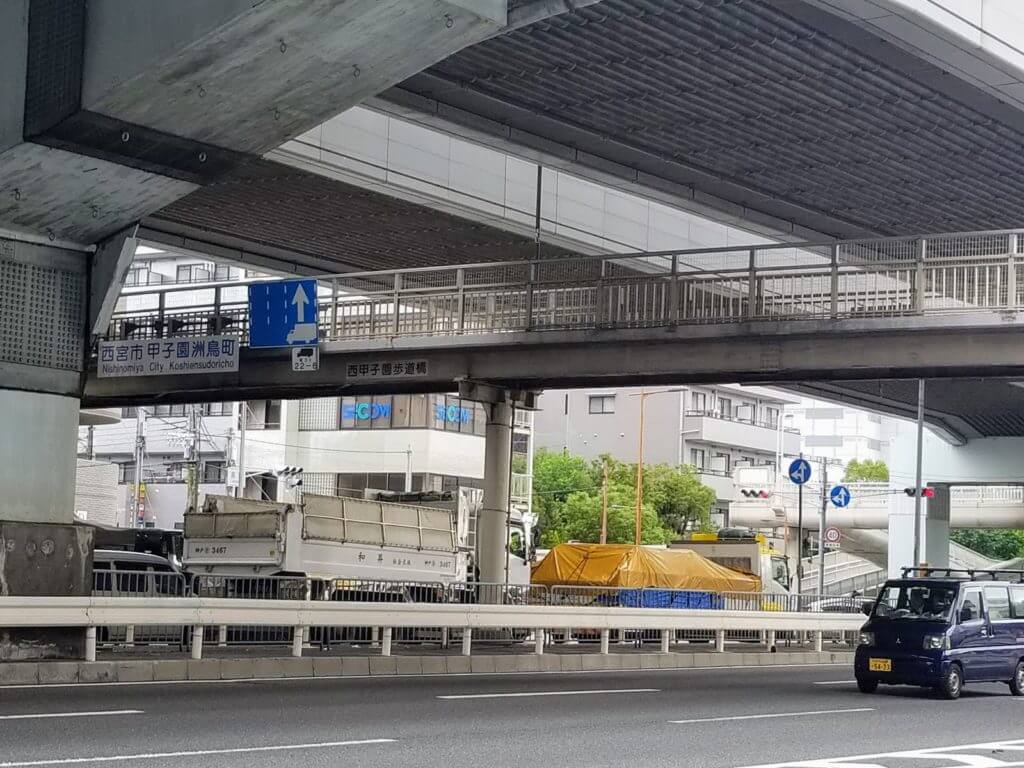
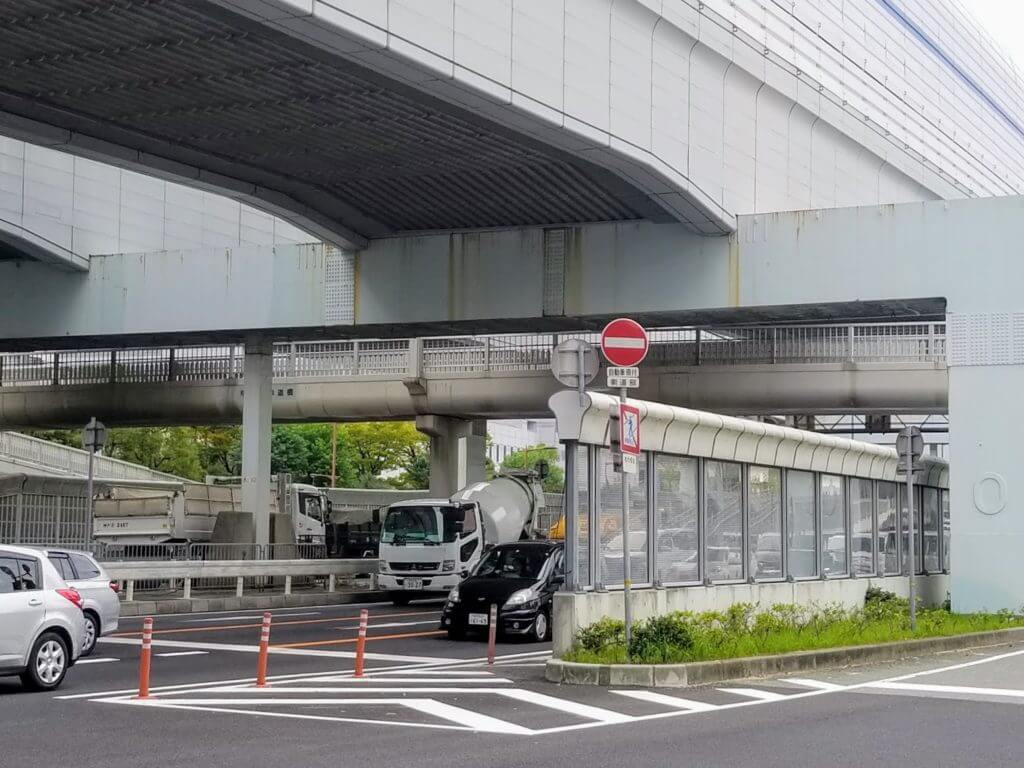
Looking at them again like this, there really are a lot.
Why is that?
With the Hanshin National Highway, the road came first and the town developed around it. But the Second Hanshin National Highway was built through an existing town, which ended up dividing the area into north and south.
Children also had to cross the Second Hanshin National Highway to get to elementary schools and kindergartens, so overpasses were installed near schools. That is why there are so many of them.
Even now, there are not many elementary school districts that straddle National Route 2, but there are quite a few that straddle National Route 43.
(Source: MapExpert)
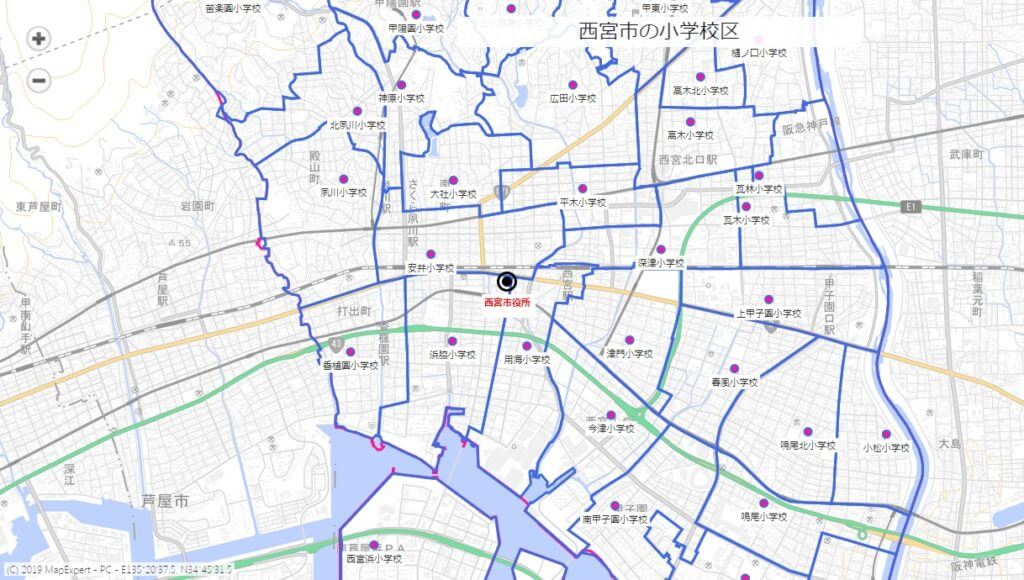
Those who have lived in southern Nishinomiya for a long time may have crossed a “Nikoku overpass” on their way to elementary school or kindergarten.
Traces of the “Hanshin National Highway” Name
The name Hanshin National Highway is no longer used today, but I looked around to see if any traces of it remain.
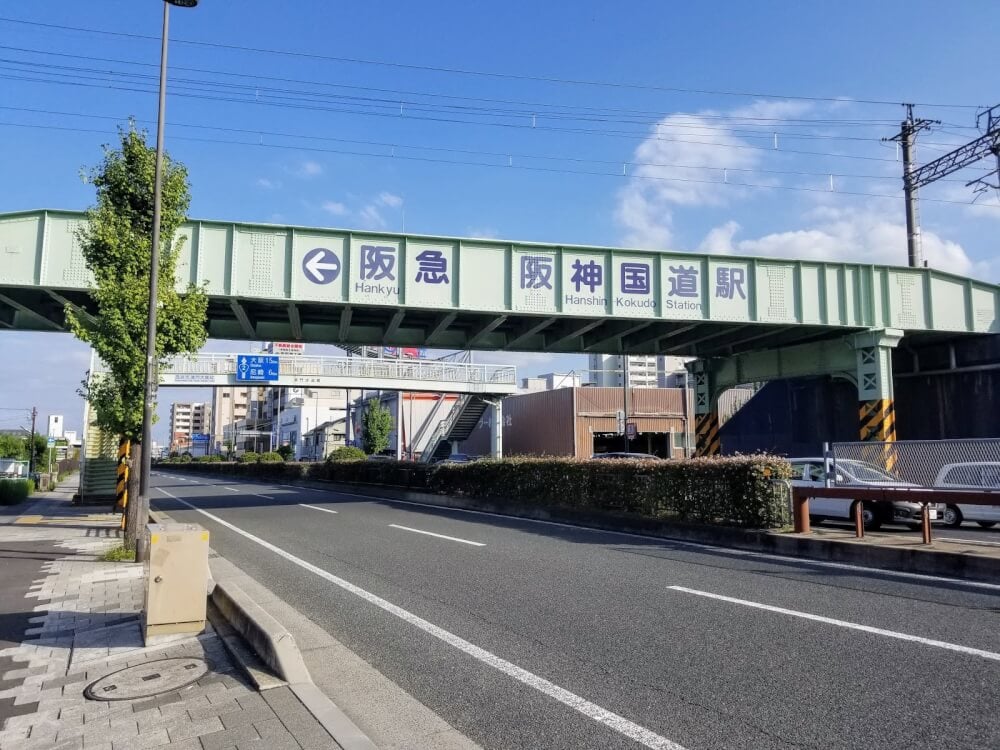
Hankyu “Hanshin-Kokudo” Station
First of all, this is probably the obvious one↓
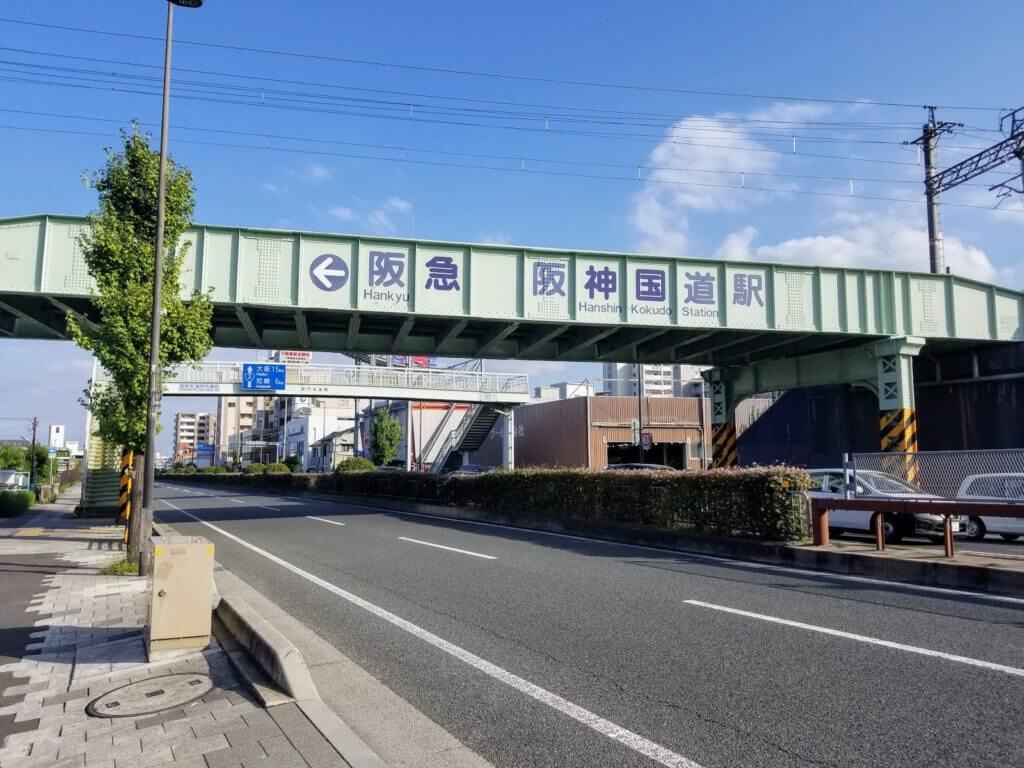
It is a rather unusual station: a Hankyu station named “Hanshin-Kokudo.”
This may be the only place where the name “Hanshin Kokudo” still remains in a proper form today.
Hanshin Kokudo Line
There used to be a streetcar line called the “Hanshin Kokudo Line” running along the Hanshin National Highway.
Here it is↓
(Source: Wikipedia)
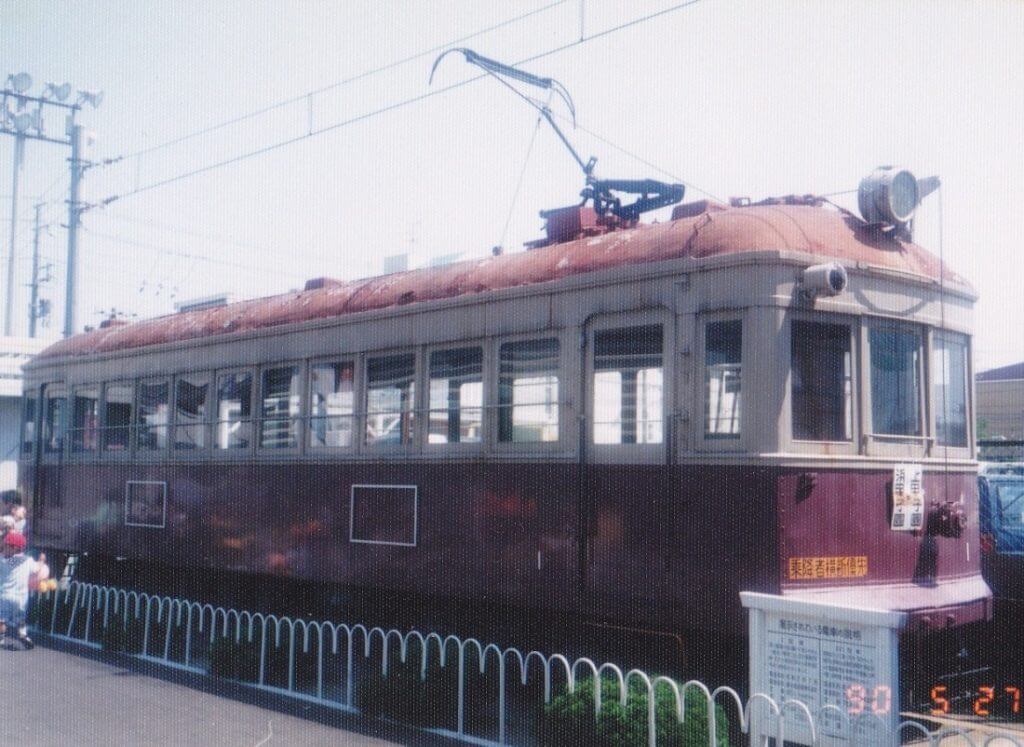
It was affectionately known as the “chin-chin densha,” so some people may remember it by that name instead.
There is still a fairly wide planted median in the center of National Route 2, and that is where the streetcar tracks originally ran.
I also looked for other traces of the chin-chin densha, but National Route 2 has been modernized quite a lot, so I could not find any.
However, along Koshien-suji, where the Koshien Line of the Hanshin Kokudo Line once ran between Kamikoshien and Hamakoshien, I did manage to find a few remnants.
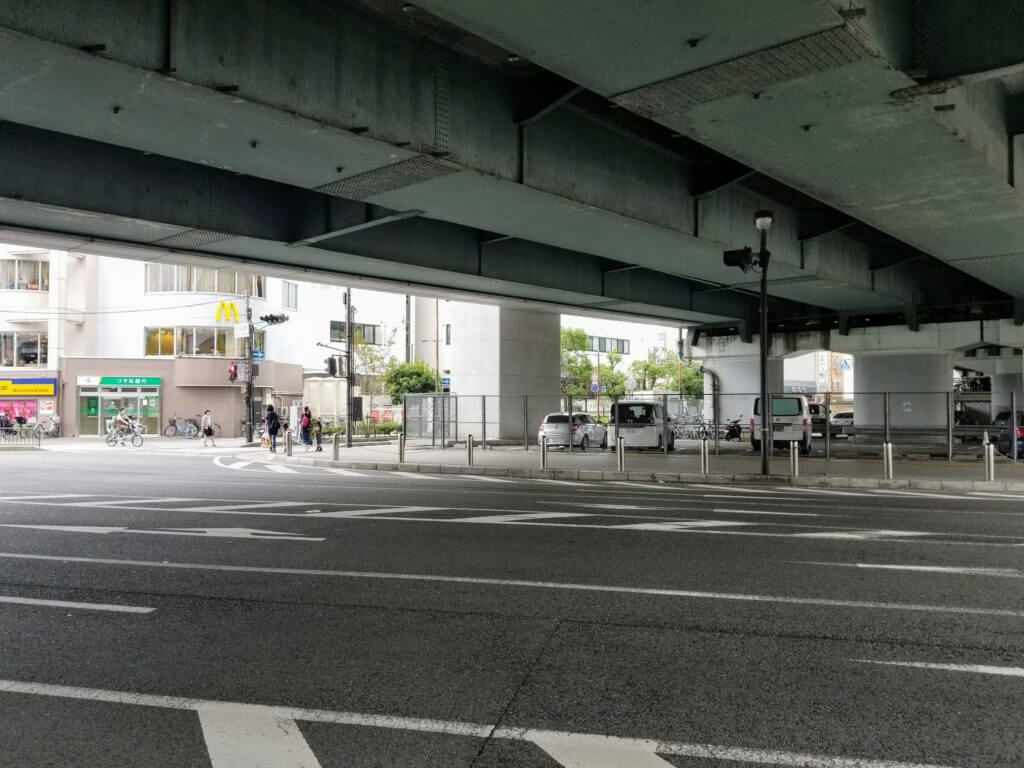
This is the elevated section where National Route 43 and Koshien-suji intersect.
If you look closely at this overpass…
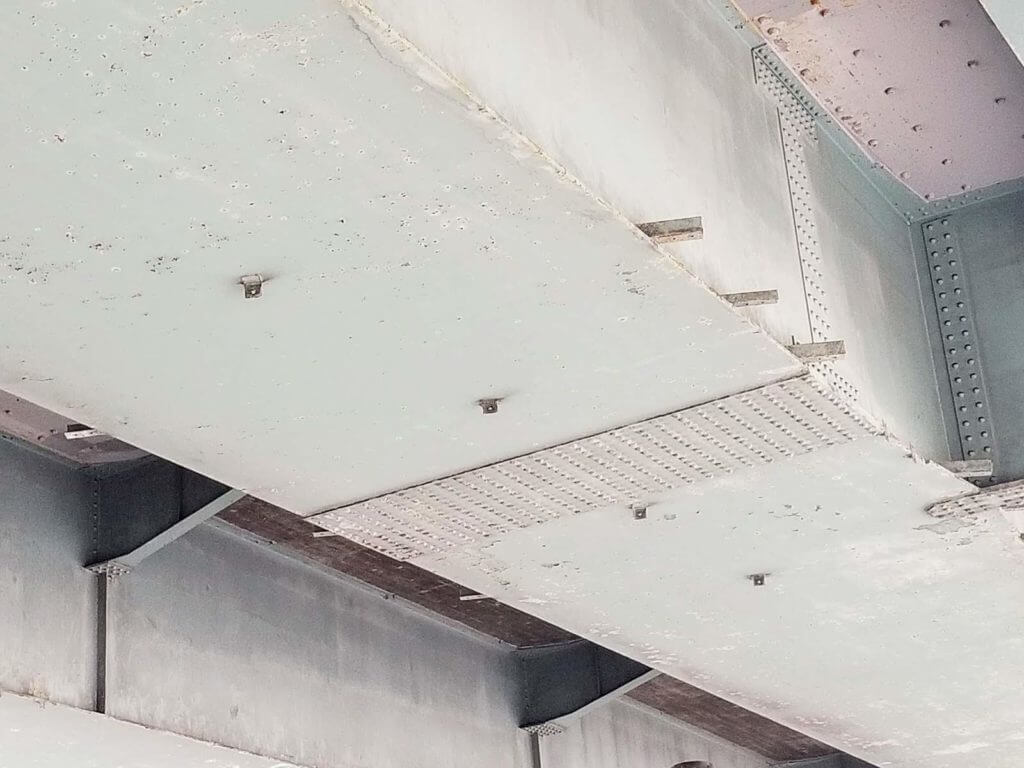
You can see hooks like these still remaining.
These were actually hooks that held the overhead wires for the streetcars.

This is the current view of Koshien-suji.
Koshien Stadium is on the right, and LaLaport is on the left.
Streetcars used to run along this road.
I found another trace of the streetcar line in the plantings along this sidewalk.
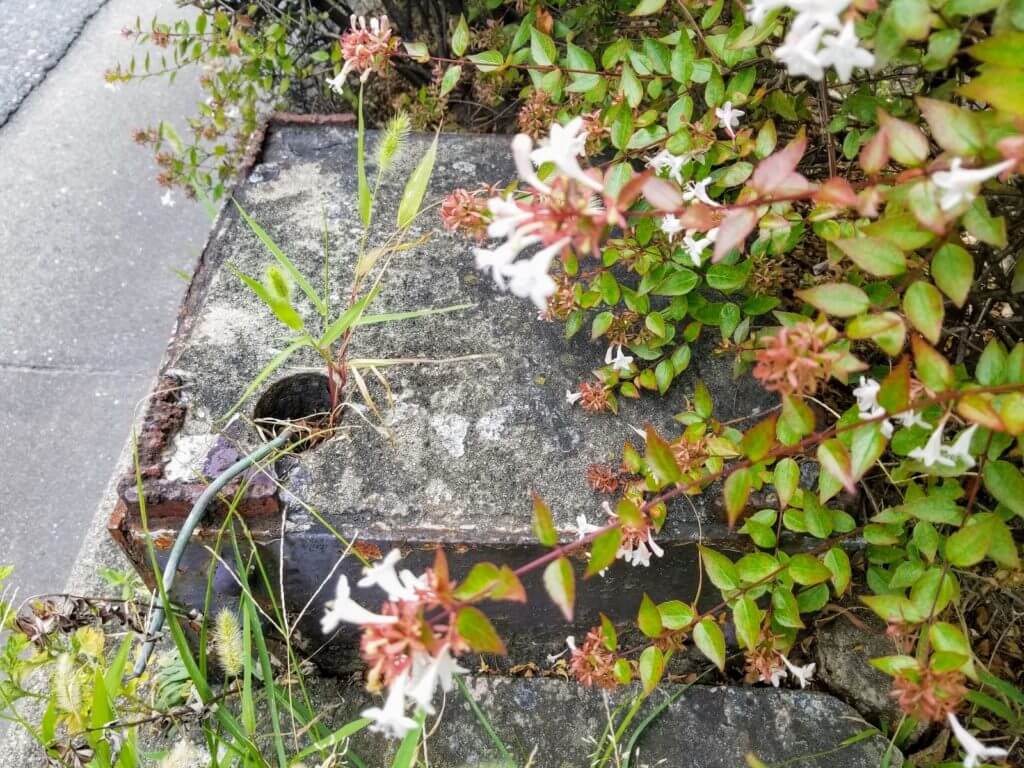
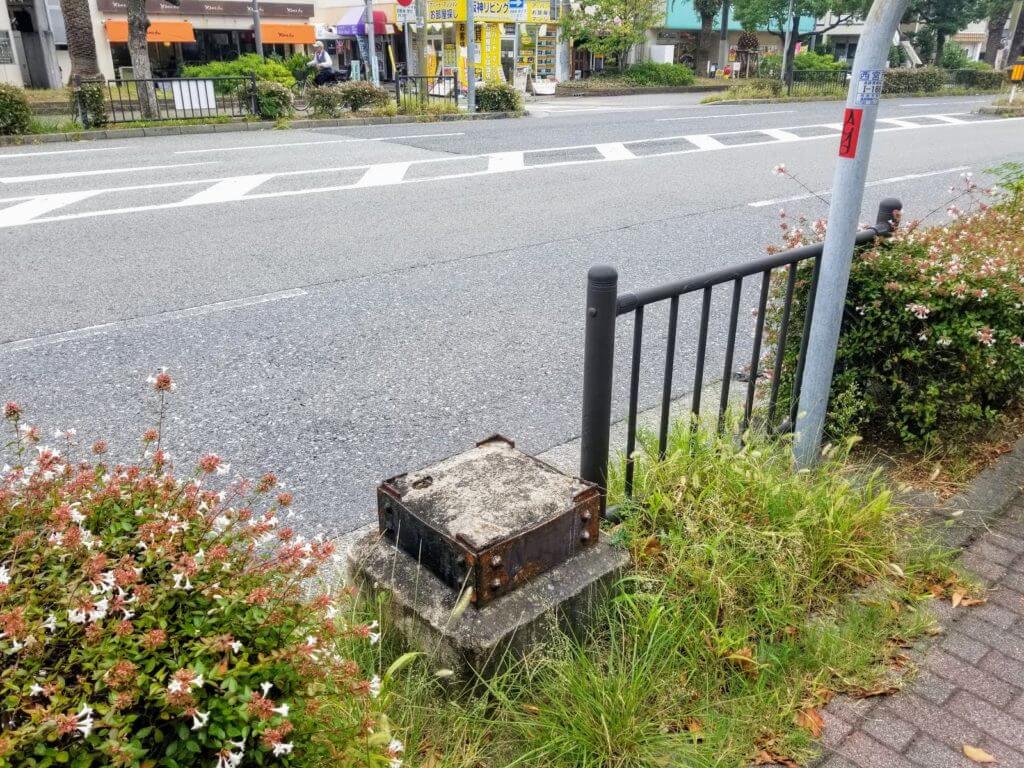
Here it is.
This appears to be the remains of a pole that supported the streetcar overhead wires.
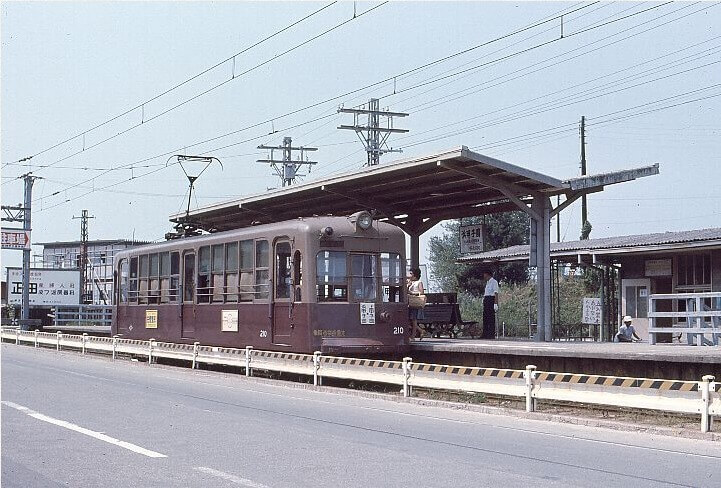
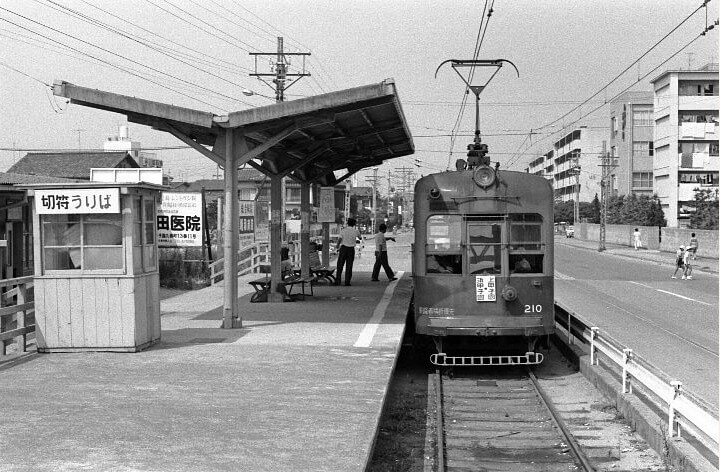
If you continue south from here, you arrive at Hamakoshien, which was the terminal stop of the Koshien Line.
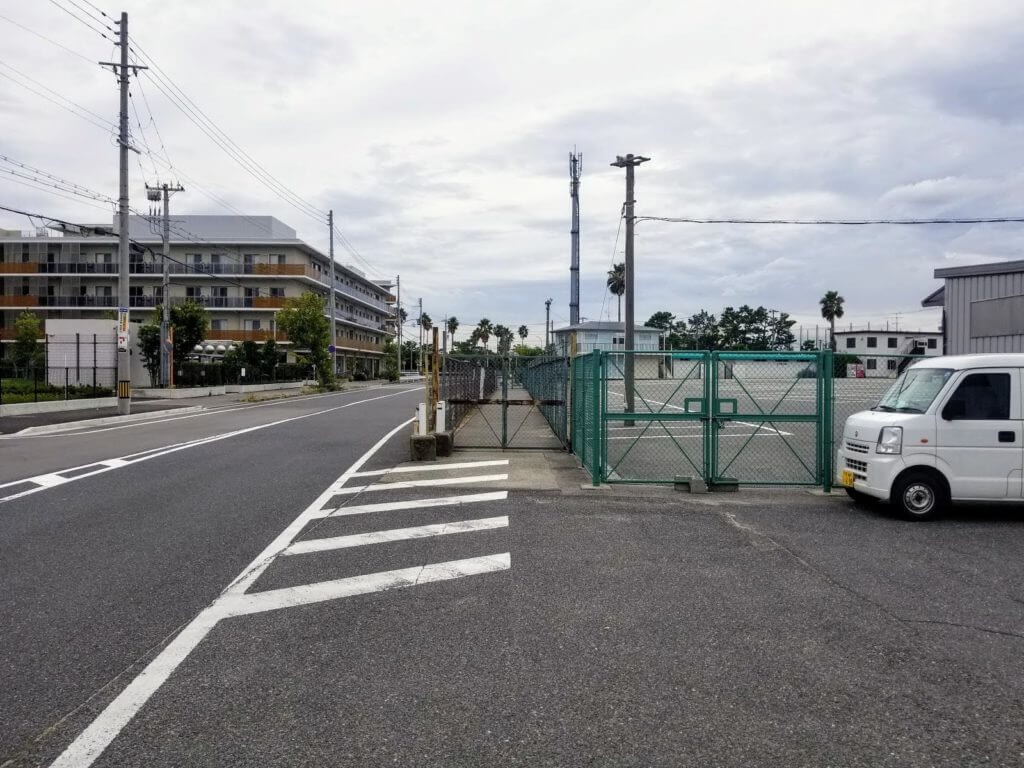
Here it is.
There is a mysterious wire fence in front, but this is where the streetcar platform originally stood.
After the line was discontinued, the area was fenced off. Later, the platform was removed, leaving only the fence behind.
It feels a little lonely somehow.
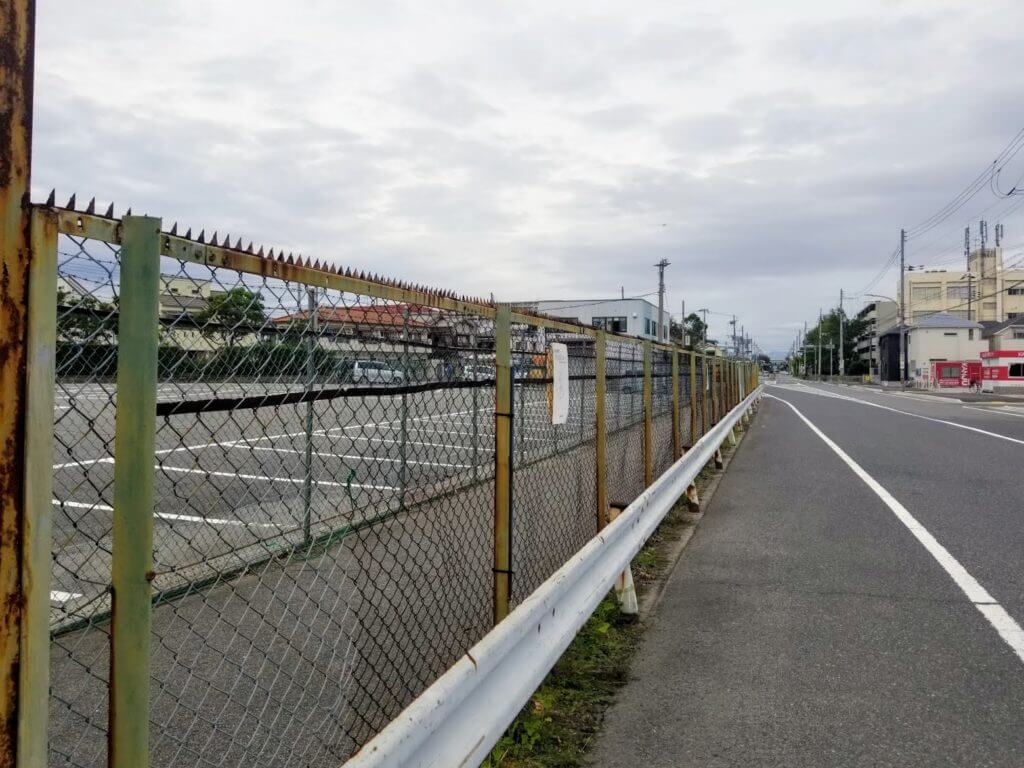
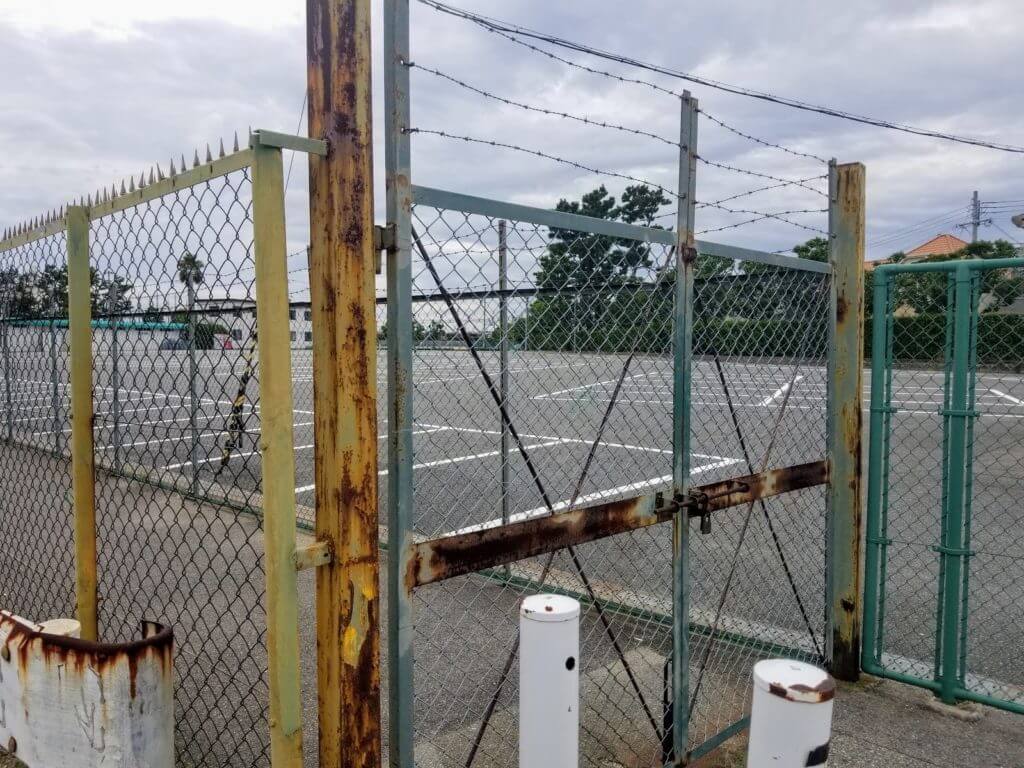
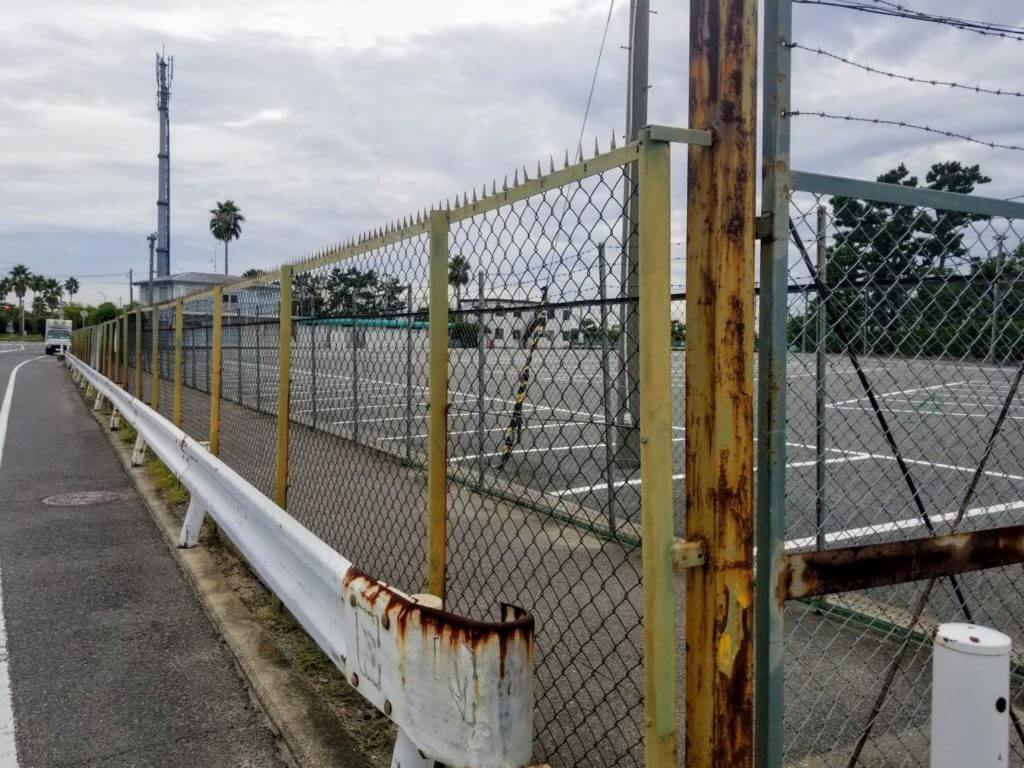
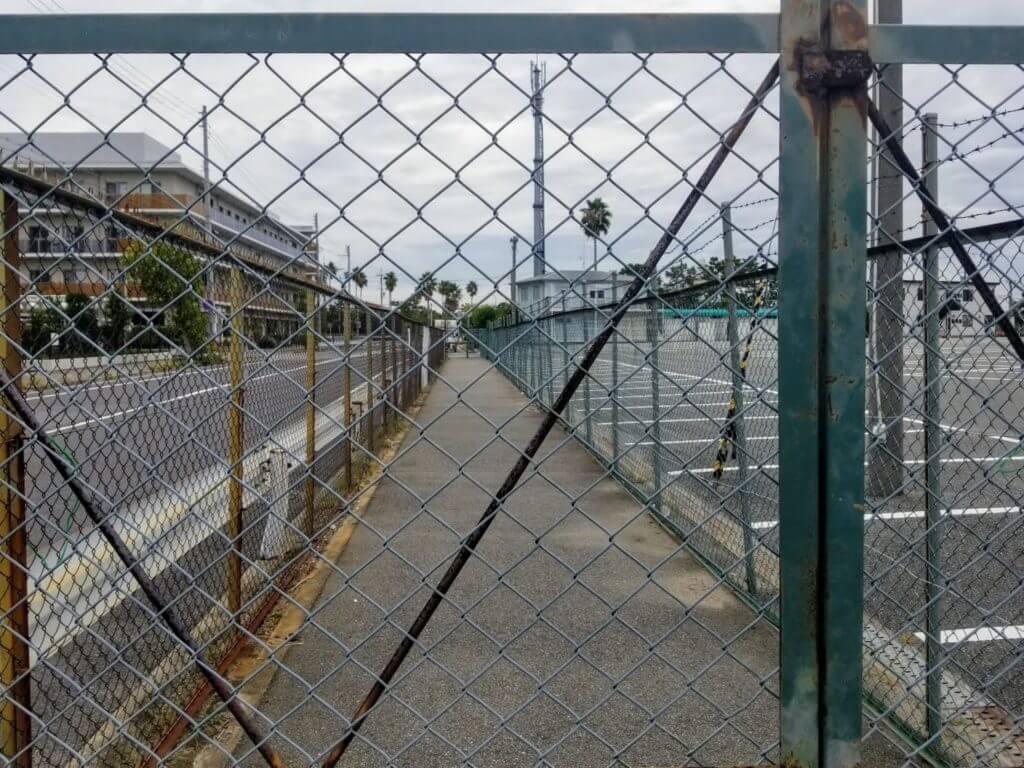
This is what it looks like now.
Here is what it looked like back then↓

(Source: Tsushima Keibendo Photo Gallery)
Finally
Even the same roads and scenery can leave very different impressions depending on one’s generation or era.
Maybe that just shows how quickly the area has developed.
What will Nishinomiya become from here on?
It is both exciting and a little worrying.
Finally, I would like to ask all of you this:
- 国道2号だ80.4%(690票)
- 国道43号だ19.6%(168票)