


I often talk with people from various areas, and when folks from different regions get together, the topic sometimes turns to local castles.
When that happens, I always end up feeling a bit left out.
Nishinomiya doesn’t have a castle, so I can’t really join in the conversation.
But actually, Nishinomiya did once have several castles, including “Koshimizu Castle” and “Kawarabayashi Castle.”
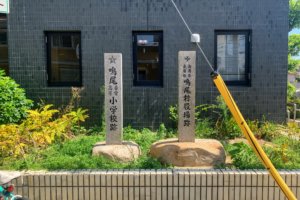
A stone monument for one of them, the “Koshimizu Castle Ruins,” stands at Taisha Elementary School.
Here it is↓
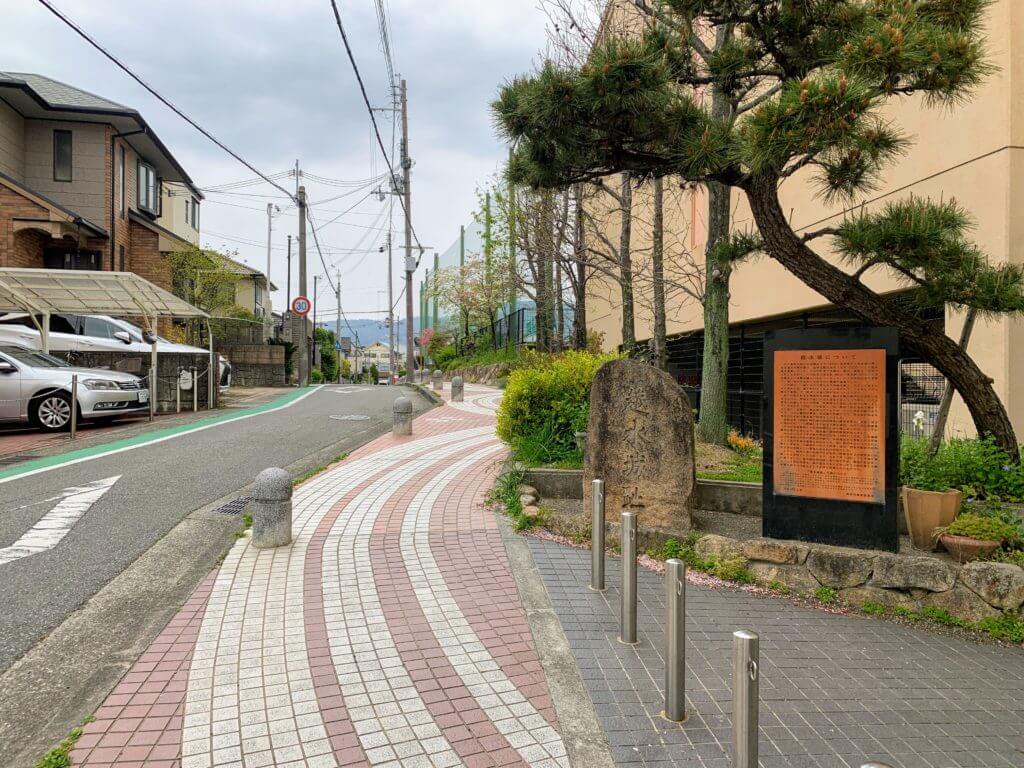
It’s at the southeast corner of Taisha Elementary School.
Let’s take a closer look.
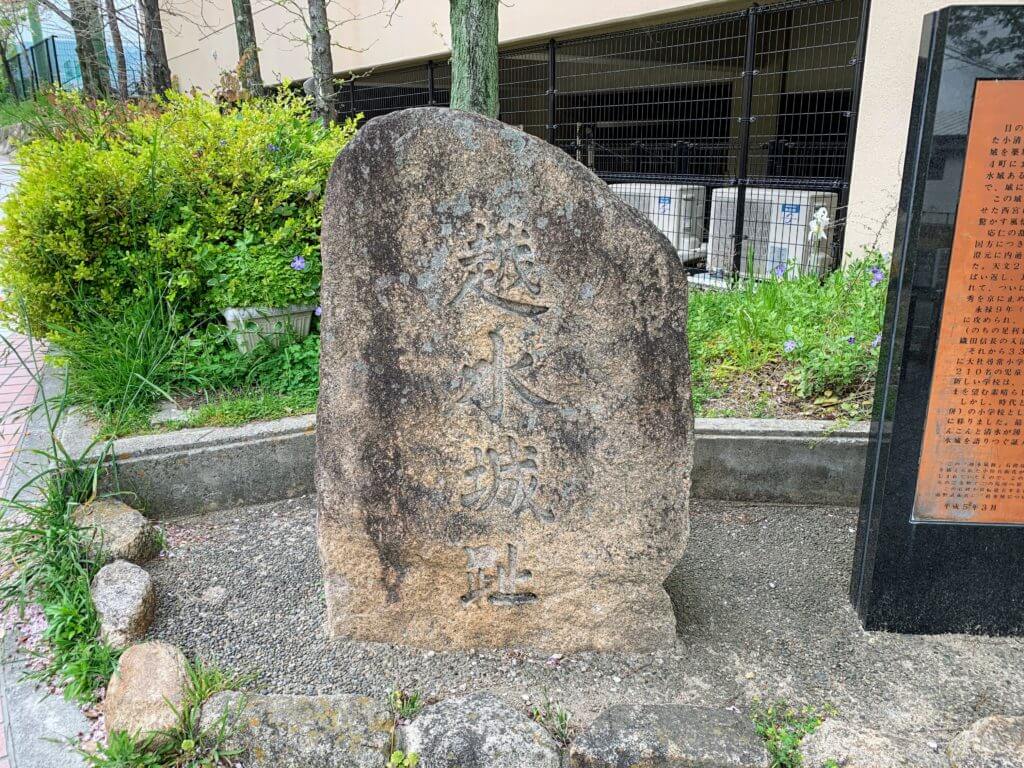
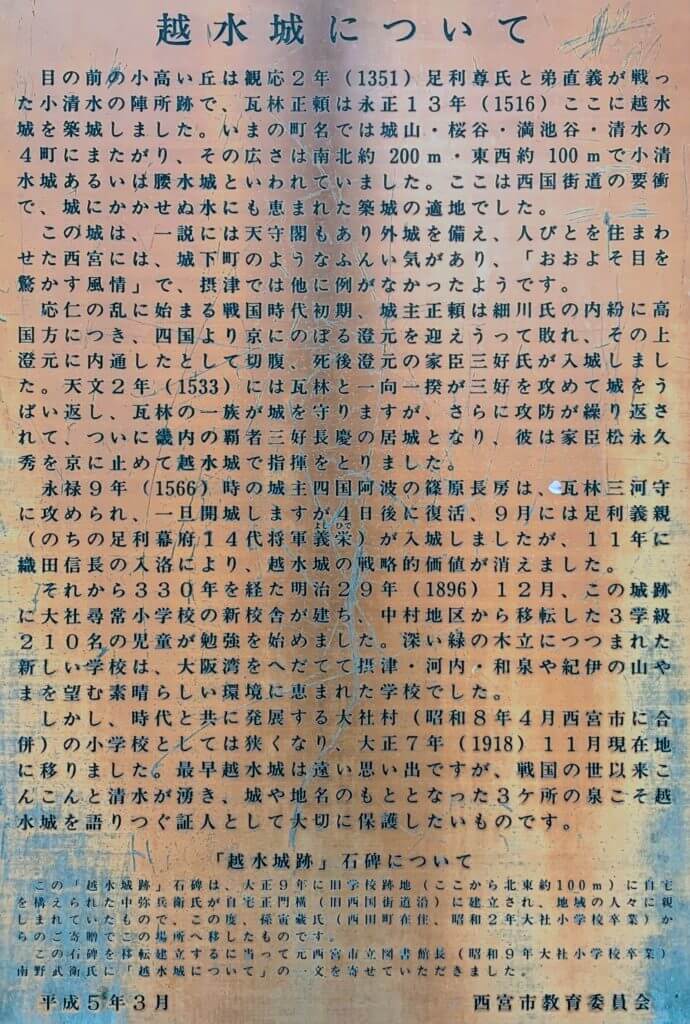
There’s also an explanatory sign next to the “Koshimizu Castle Ruins” monument.
If you’re interested, please give it a read.
According to this explanation, the castle stretched across four present-day neighborhoods: Shiroyama, Sakuradani-cho, Manchitani-cho, and Shimizu-cho. So it must have been quite a large castle.
Here’s a map from that time↓
(Source: Nishinomiya Digital Archives)
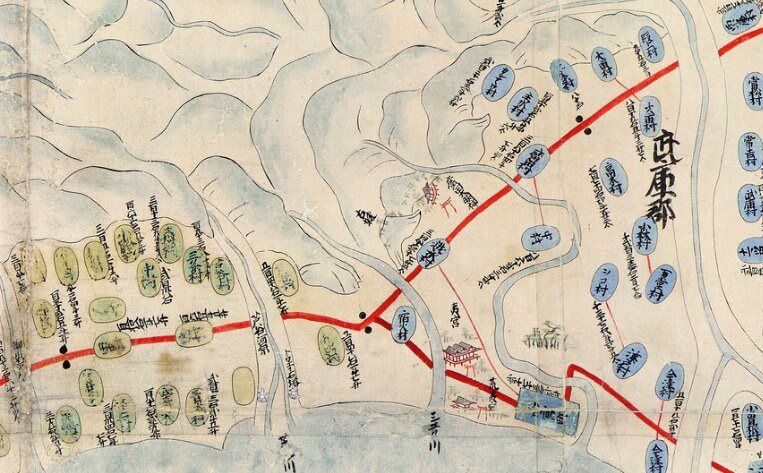
The “古城” marked around the very center of this map is Koshimizu Castle.
Even today, place names like “Shiroyama” and “Jogabori-cho” still preserve traces of the castle that once stood here.
Now, near the end of the explanation above, there’s a mention of “three springs that gave rise to the castle and place names.” Near here are three wells that became the origin of the place names “Shimizu” and “Koshimizu.”
The three wells were known respectively as “Higashinjo,” “Nakanjo,” and “Nishinjo.”
“Nakanjo” was lost due to development, but “Higashinjo” and “Nishinjo” still remain today, and water is apparently still springing from them.
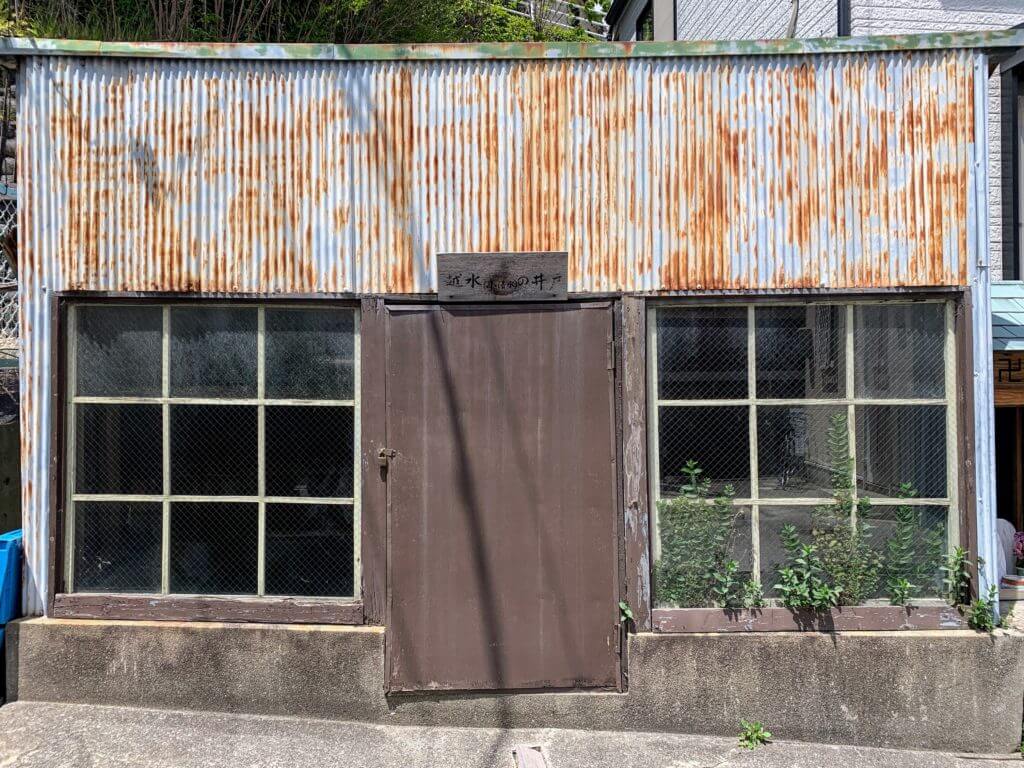
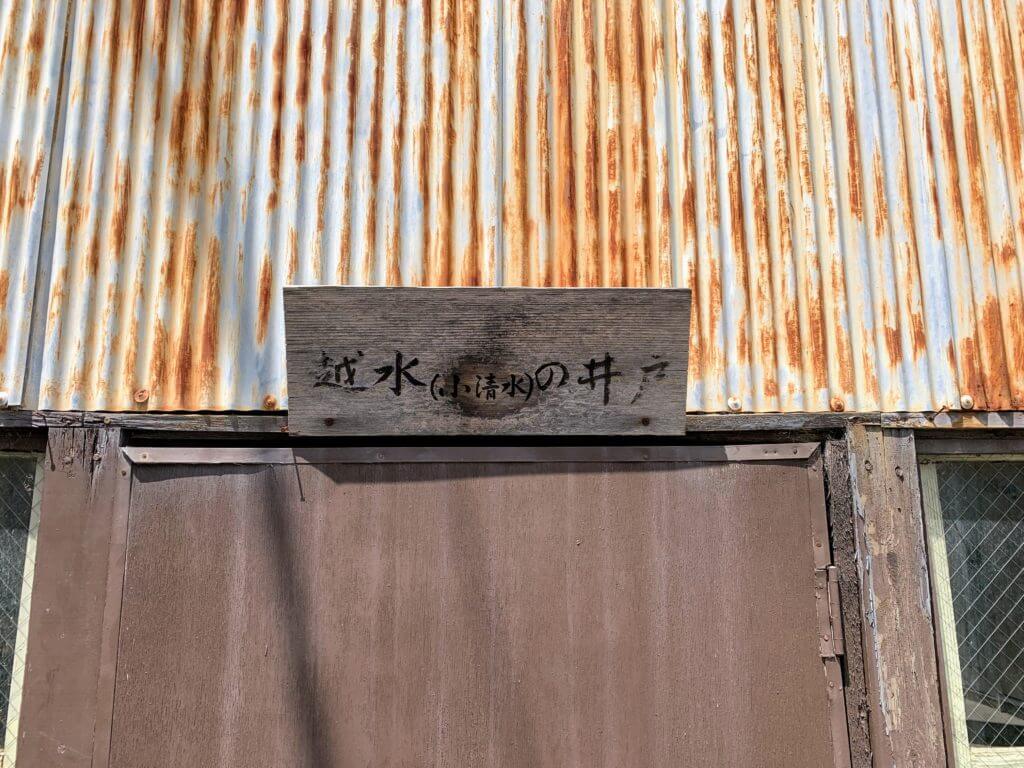
This is “Nishinjo” in Sakuradani-cho.
It’s now apparently managed by local residents, and it’s securely locked.
Based on the explanation earlier, this location seems to have been within the castle grounds, so perhaps the water from this well was used as the castle’s water supply.
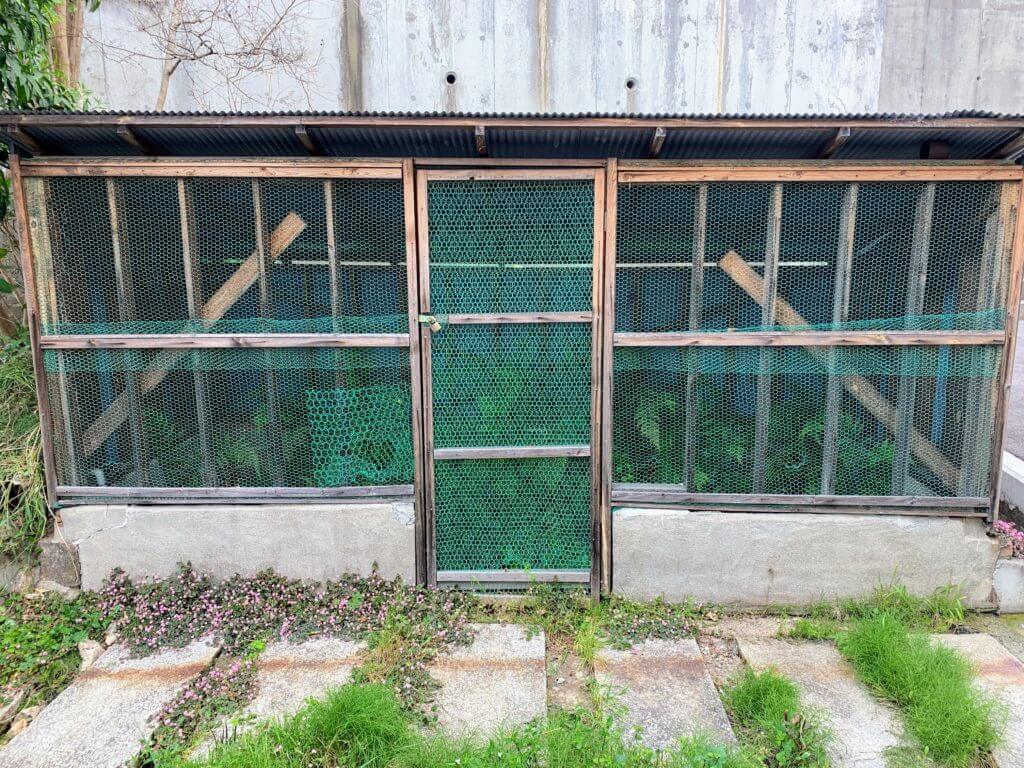
This is “Higashinjo” in Koshimizu-cho.
This one was outside the castle, along the Saigoku Kaido road, so perhaps it helped quench the thirst of travelers passing by.