



Can you read the kanji “夙川”?
If you live in Nishinomiya or nearby, you can probably read it as “Shukugawa,” of course.
I was born and raised in Shukugawa and still live here, so naturally I can read “夙川.”
But why is “夙川” called “夙川”?
When I looked it up in a dictionary, I found that the kanji “夙” can also be read as “hayai,” meaning “early.”
So does “夙川” mean a fast-flowing river?
No, no. It seems the story is not quite that simple…
So this time, I looked into all kinds of things about “Shukugawa.”
That said, I went through various materials and even visited the Nishinomiya City Folk Museum to ask about it, but apparently not many documents from that time still exist, so the exact details are unclear.
Please understand that what follows is more along the lines of “there is also this theory” or “this is probably what happened.”
“夙川” and “宿川”
If you look at old maps, some of them write it not as “夙川” but as “宿川.”
It does not seem to have clearly changed at one specific point. Rather, it appears to have shifted back and forth: first “夙川,” then “宿川,” then back to “夙川.”
From this, it can be assumed that the reading “Shukugawa” likely came first, and the kanji were changed in various ways later.
“森具” and “守具”
By the way, do you know the place name “森具” (Morigu)?
Since it is used as the name of an intersection and a park, many people are probably familiar with it.
Here is the intersection↓

It is the intersection on Route 2 near Otemae University.
“森具公園” (Morigu Park) is also nearby.
Here it is↓
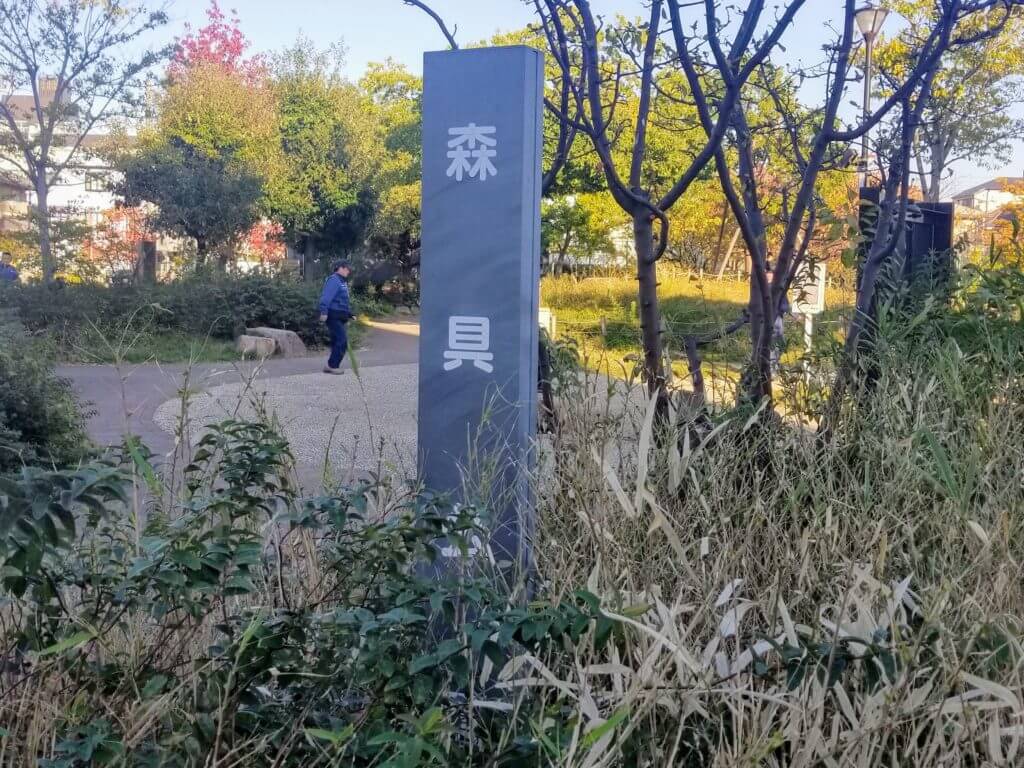
This area, around the south side of Hankyu Shukugawa Station, was originally a village called “森具村” (Morigu-mura).
In Meiji 22, Morigu Village merged with nearby towns and villages to become “Morigū, Taisha Village, Muko District.” That Taisha Village was incorporated into Nishinomiya City in Showa 8, bringing us to the present day.
But this “森具村” was actually called “夙村” (Shuku-mura) before that.
Earlier, I mentioned that various kanji were applied to the reading “shuku,” such as “shuku → 宿” and “shuku → 夙.” Among them, the characters “守具” were also used for “shuku.”
It is said that the village in this area, originally called “夙村” (Shuku-mura) though whether “夙川” or “夙村” came first is unknown, changed from “夙村” to “守具村” (Shuku-mura), then the reading of “守具” shifted from “shuku” to “morigu,” and finally the kanji changed to “森具村” (Morigu-mura).
In fact, when you look at maps and documents from around the Meiji period, the spellings “森具村” and “守具村” seem to appear side by side.
Place-name kanji and readings probably were not fixed as strictly as they are today.
Actually, there are still places where the characters “守具” remain.
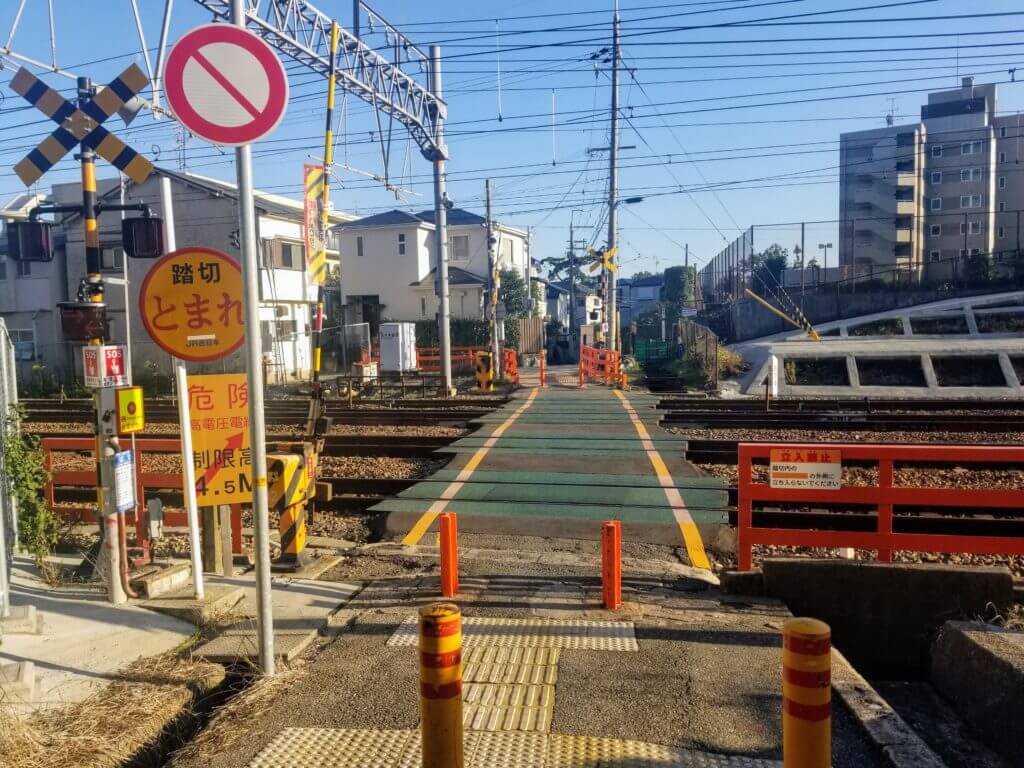
This is a JR railway crossing connecting Kasumicho and Gomencho.
Here is the name of the crossing↓
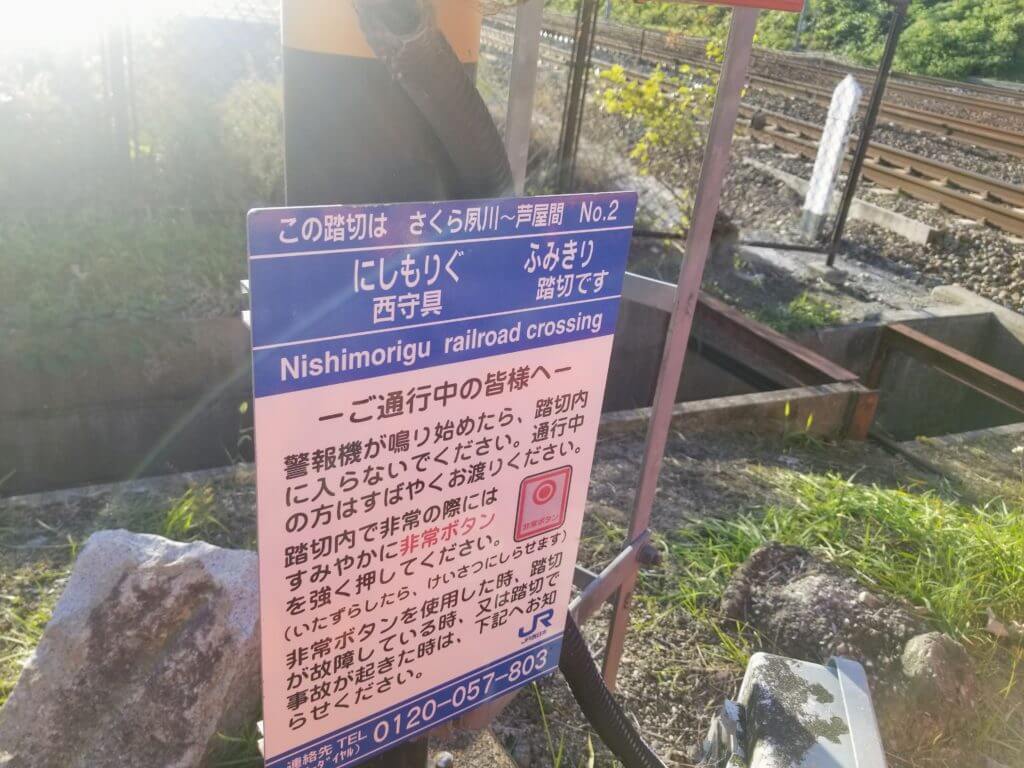
It says “西守具踏切” (Nishi-Morigu Crossing).
Here, it uses “守” instead of “森.”
And then there is this↓

This is a JR bridge near Shukugawa.
Here is the sign on the bridge↓

The bridge name is “東守具架道橋” (Higashi-Morigu Overpass).
And one more place.
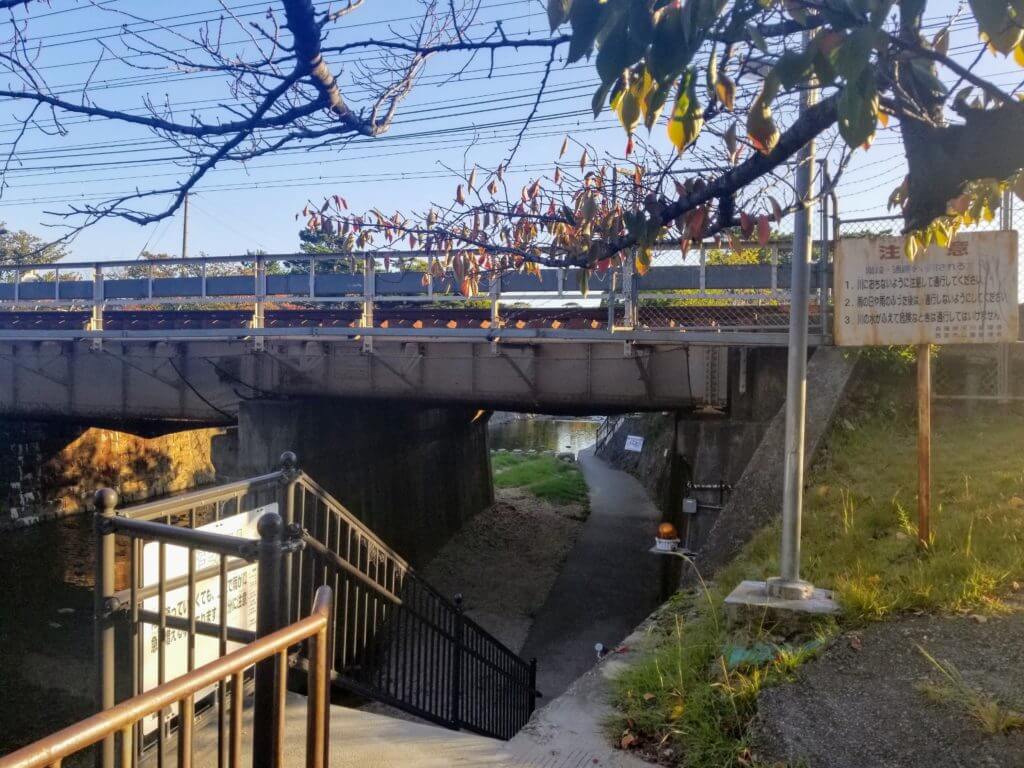
This is the bridge right next to the one mentioned above.
Let’s look at the sign here too↓
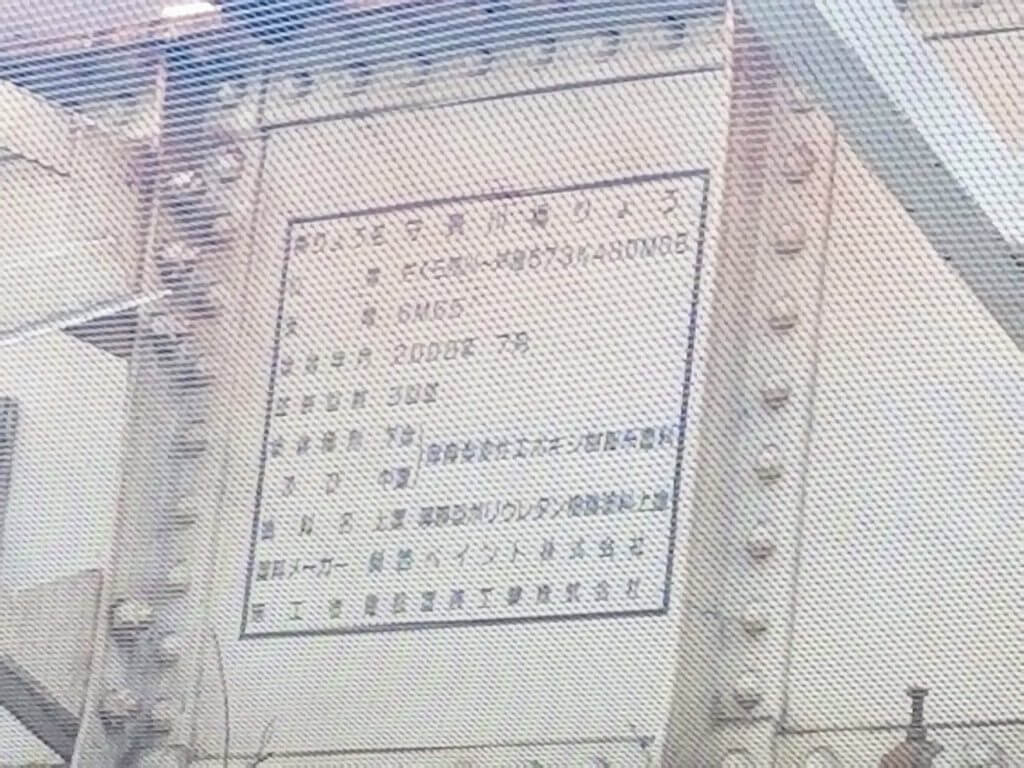
It is a little hard to see because of the netting, but it says “守具川橋りょう” (Morigu-gawa Bridge).
Apparently this is read as “Morigu-gawa Kyoryo,” but although there are records writing “Shukugawa” as “守具川,” I could not confirm any evidence that this river was ever called “Morigu-gawa.” I also asked the curator at the folk museum, and they said they were not aware of any fact that it had been called “Morigu-gawa.”
Whether Japan National Railways mistakenly registered the reading when laying the railway line, or whether people really did call it “Morigu-gawa” at the time and the records simply have not survived, we can no longer know for sure.
Still, during the Meiji period, when the national railway opened in this area and the municipal system was established, perhaps readings and kanji such as “夙川,” “守具川,” “守具村,” “森具村,” “shuku,” and “morigu” became all mixed together and settled into place that way.
The Origin of “Shukugawa”
So then, why did “Shukugawa” and “Shuku-mura” come to be called that?
There are several theories about this too, but the leading ones seem to be the “shukueki” theory and the “Nomi no Sukune” theory.
The “Shukueki” Theory
First, the “shukueki” theory. Simply put, a “shukueki” was a facility with lodging where travelers could stay.
Nishinomiya was a town where the Saigoku Kaido and Chugoku Kaido roads crossed, and it prospered as a post town from ancient times.
According to this theory, the village located at this “shukueki,” meaning a post station, became “Shuku-mura,” and the river flowing through it became “Shukugawa.”
The “Nomi no Sukune” Theory
On the other hand, there is also a theory that the origins of “Shukugawa” and “Shuku-mura” come from “Nomi no Sukune.”
“Nomi no Sukune” is a historical figure who appears in works such as the Nihon Shoki, and he is said to have devised haniwa clay figures.
According to the Taisha Village history, the ancestors of the village were saved from a crisis by Nomi no Sukune, so they took his name and the village became “Sukune-mura,” which later changed into “Shuku-mura.”
Summary
The more I researched, the less clear it all became in the end…
Apparently, the theory that “Shukugawa” comes from “Nomi no Sukune” is considered somewhat like what we would now call an urban legend, and it is not thought to be especially credible.
But if “Shukugawa” really did come from “Nomi no Sukune,” wouldn’t that be romantic?
What do you all think?
- そりゃあ「宿駅」でしょう74.5%(280票)
- いやいや「野見宿禰」だと思う、そう信じたい25.5%(96票)