

Every year around this season, don’t you start thinking, “I’m so done with this,” because of sneezing, a runny nose, and itchy eyes?
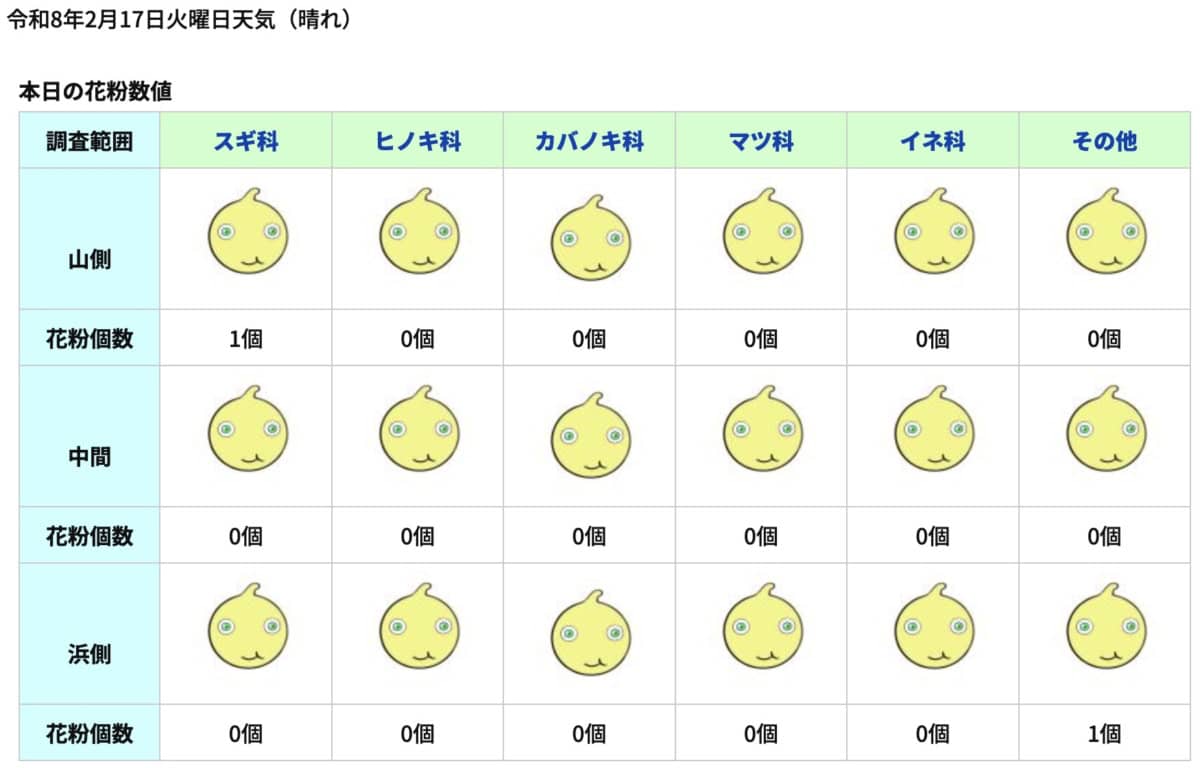
The Nishinomiya City website also publishes pollen information. It usually starts around mid-February, so getting prepared early is key.
When hay fever symptoms start, a lot of people probably just try to get through it with over-the-counter medicine. But actually, the treatment options available at hospitals have expanded a lot.
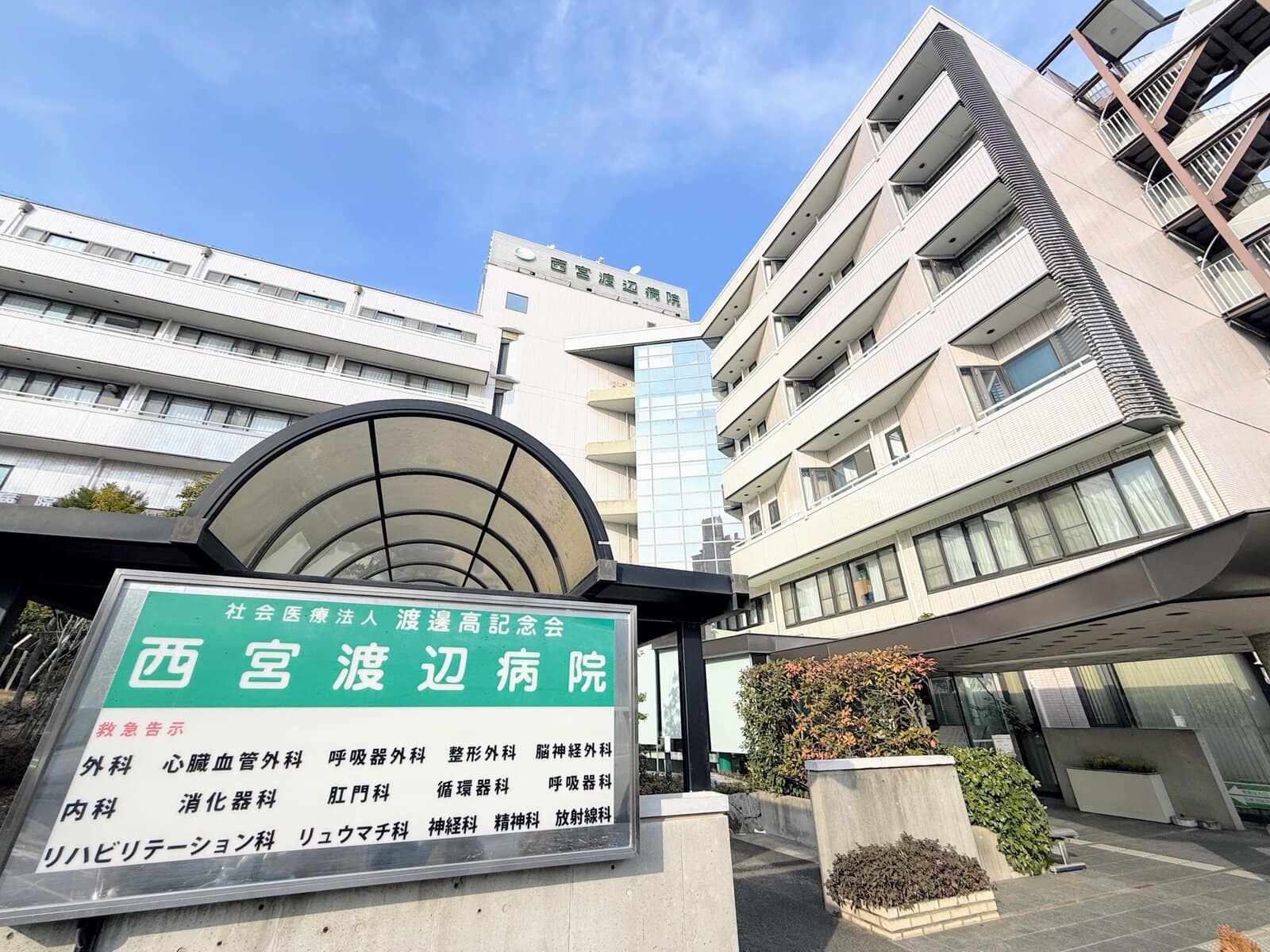
So we went and asked a doctor from the Department of Otolaryngology at Nishinomiya Watanabe Hospital!
Here it is on the map↓
The address is 10-22 Murogawacho, Nishinomiya, Hyogo.
目次
- 1 Q. Please tell us about recent treatments for allergic rhinitis
- 2 ① Self-care comes first!
- 3 ② Medication can be chosen to match your symptoms
- 4 ③ If medicine does not work well enough, surgery may also be an option
- 5 If these symptoms continue, see a doctor early
- 6 Information on Nishinomiya Watanabe Hospital Department of Otolaryngology
- 7 Going out less because of hay fever? What about lack of exercise…
Q. Please tell us about recent treatments for allergic rhinitis

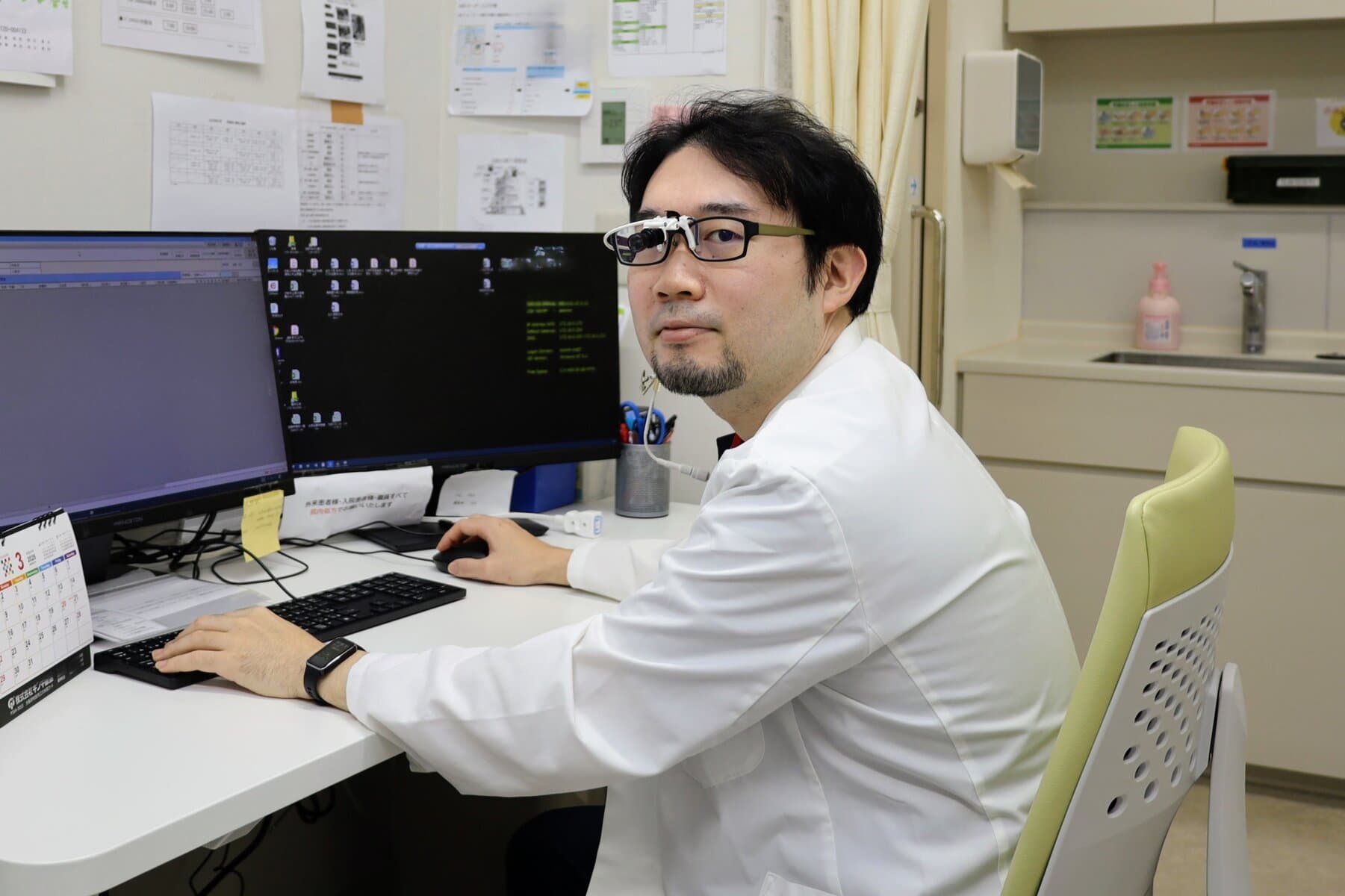
We heard from Dr. Masayuki Kitano, Director of the Department of Otolaryngology at Nishinomiya Watanabe Hospital〜
[PR] This article is brought to you by Nishinomiya Watanabe Hospital. The content is intended to provide general medical information and does not guarantee the effectiveness of any specific treatment. Symptoms vary from person to person, and treatment results also vary. Please be sure to visit a medical institution for a specific diagnosis and treatment.
① Self-care comes first!
Honestly, what should we do before taking medicine?

- On days with high pollen levels, avoid going out
- Use a mask and glasses to physically block pollen
- When you get home, brush pollen off your jacket at the entrance
- Use nasal rinsing to wash away pollen and allergens

② Medication can be chosen to match your symptoms
There seem to be many kinds of medicines used at hospitals. What options are there?
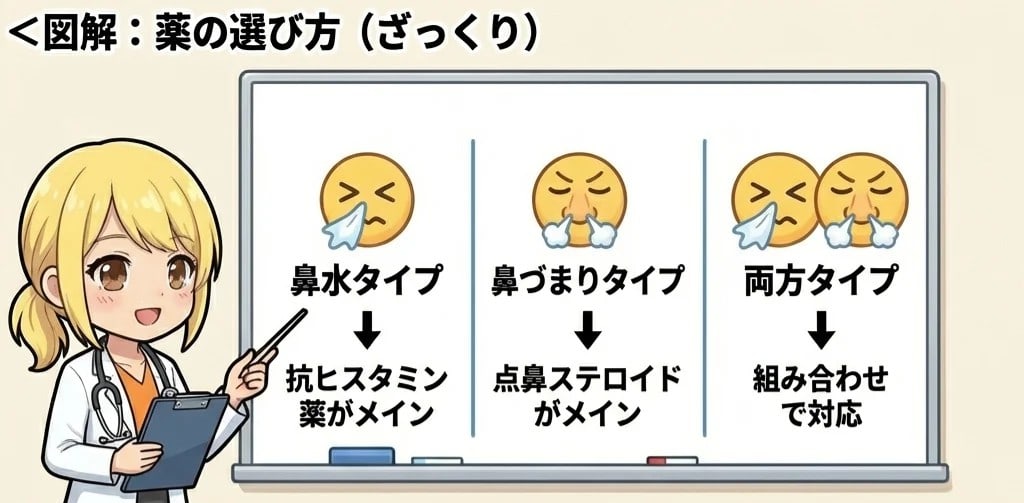
Basic combinations: Antihistamines, anti-leukotriene drugs, nasal steroid sprays, etc.
Sublingual immunotherapy: A treatment in which small amounts of cedar pollen or mite extract are taken daily, with the goal of improving the body’s allergic tendency. (Continuing for 3 to 5 years is recommended.)
Anti-IgE antibody injections: An option for people with severe symptoms when existing treatments have not been effective enough.
Side effects: Itching, discomfort, or swelling in the mouth; itching in the throat or ears; rarely, anaphylaxis
Cost: Covered by insurance. With 30% copayment, about 2,000 to 3,000 yen per month. Includes medication, tests not included. Costs vary depending on the medical institution and prescription.
③ If medicine does not work well enough, surgery may also be an option
My symptoms are really severe. Are there any methods besides medication?
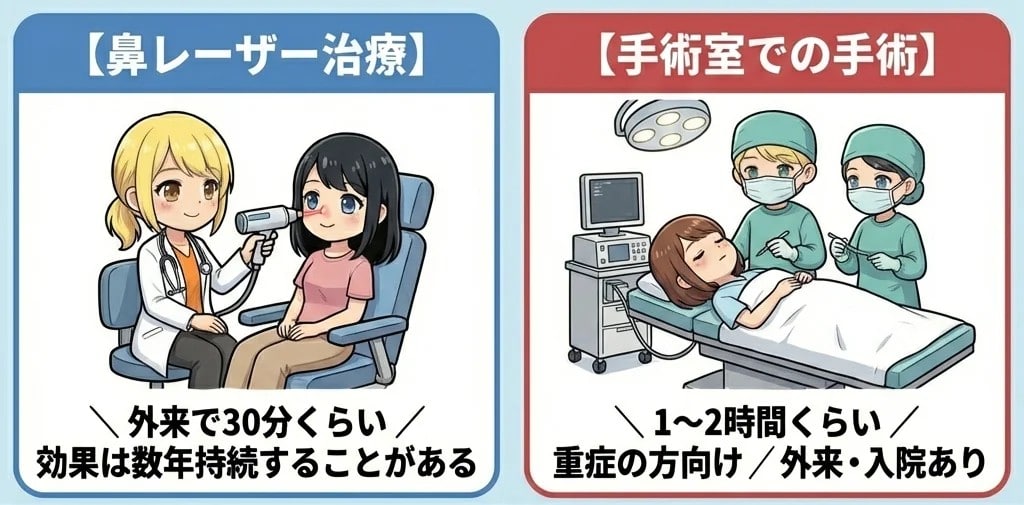
Nasal laser treatment: This aims to suppress allergic reactions by using a laser to cauterize the mucous membrane of the inferior turbinate(kabikokai). It can be performed as an outpatient procedure in about 30 minutes(estimate). However, results vary from person to person.
Inferior turbinate bone resection / posterior nasal neurectomy: For people with severe symptoms, these treatments aim to reduce symptoms by adjusting the structure of the nose itself or blocking the nerves.
Laser treatment: For 1 to 2 weeks after the procedure, pain, bleeding, or temporary worsening of nasal congestion may occur. How long the effects last varies by person, and retreatment may be needed after several years. The cost is around 10,000 yen for both nostrils with insurance coverage and 30% copayment. Costs vary by medical institution.
Resection / neurectomy: These involve risks such as bleeding, pain, infection, temporary nasal congestion, and dryness. Costs vary depending on the surgical details and whether hospitalization is required, so please consult the medical institution.
If these symptoms continue, see a doctor early
・You can’t stop sneezing
・Your runny nose won’t stop
・Your eyes are very itchy
・You can’t sleep because of nasal congestion
花粉症で質問したいことあれば聞いてください〜
※Please ask the doctor anything you’re wondering about hay fever〜. Your question may be selected〜
Information on Nishinomiya Watanabe Hospital Department of Otolaryngology
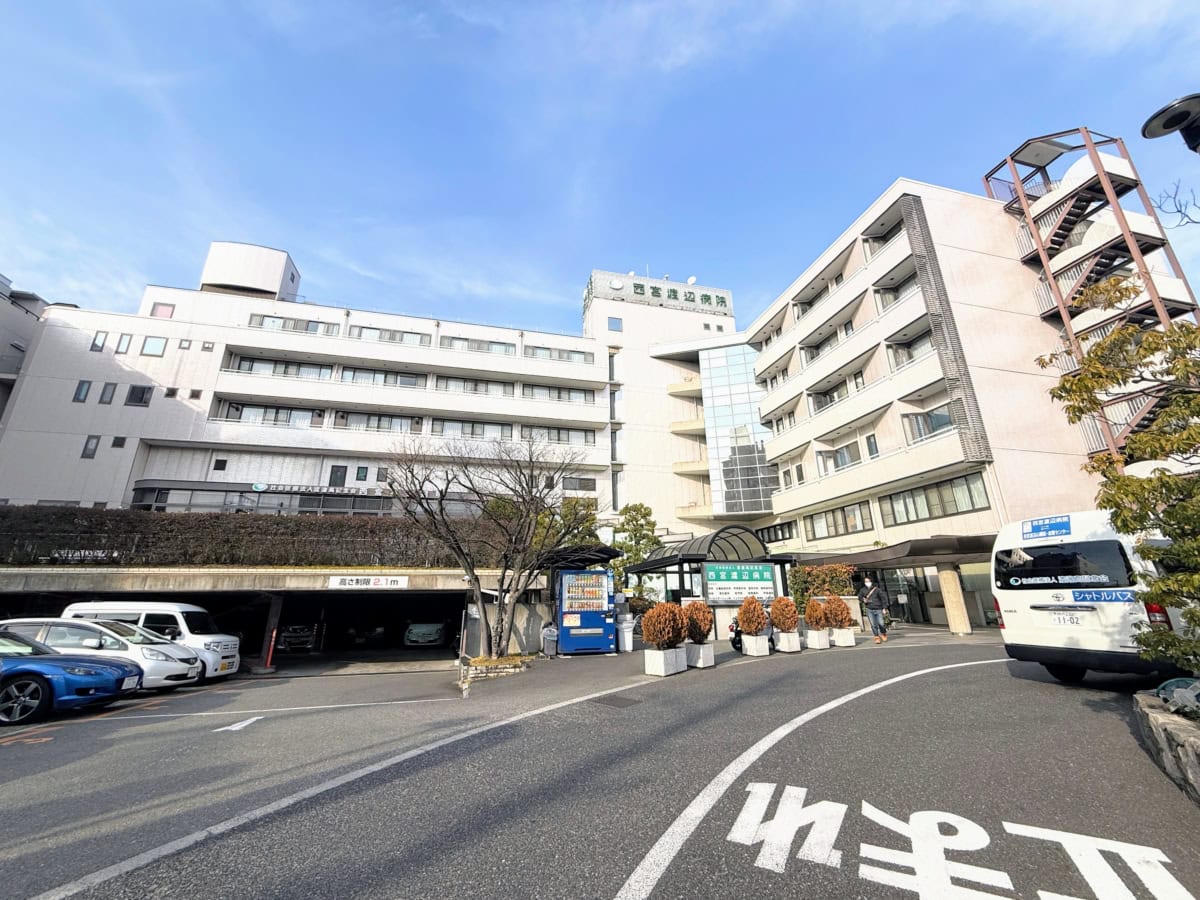
・Allergy testing (blood tests, breath tests, etc.)
・Oral medication treatment
・Sublingual immunotherapy
・Injection treatment
・Nasal laser treatment
・Surgical treatment※All of the treatments above are covered by insurance.
Where to visit: Otolaryngology outpatient clinic
Advance reservations (AI phone): 050-1808-7183
Weekdays 8:30〜16:30 / Saturdays 8:30〜11:30
※Even outside these hours, AI phone reservations are accepted! You will receive a callback on the next business day.
Same-day reservations: 0798-74-2630
※You can visit without a referral letter
You can make a reservation with just one phone call. The pollen season tends to get busy, so booking early is recommended〜. Also, you can actually visit without a referral letter, so no need to worry〜
Going out less because of hay fever? What about lack of exercise…
When pollen is really bad, it’s easy to feel reluctant to go outside. Even walks or jogging turn into “The pollen is terrible today, so maybe I’ll skip it…” and before you know it, you’ve barely exercised for months.
Here↓
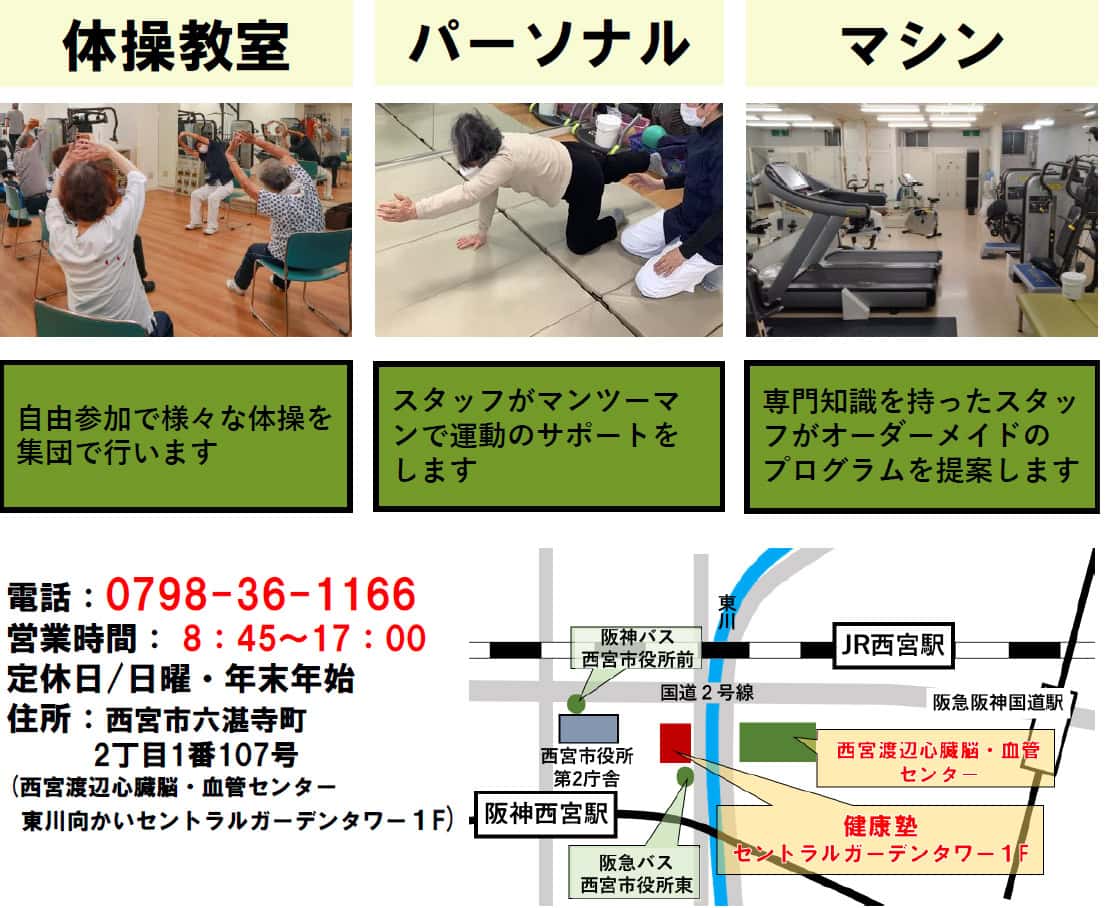
Lack of exercise can affect stamina, sleep quality, and stress, so having an exercise habit can also help with managing your physical condition.
For people like that, we want you to know about 健康塾, located across the Higashigawa River from Nishinomiya Watanabe Heart, Brain and Vascular Center, on the 1st floor of Central Garden Tower.