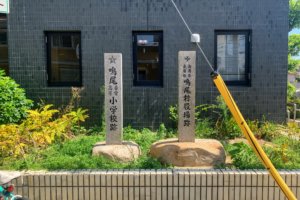



The other day, we posted photos of the former site of Edagawa, a tributary of the Mukogawa River. There are several stone monuments in this area.
目次
The Gimin Monument in Kitago Park
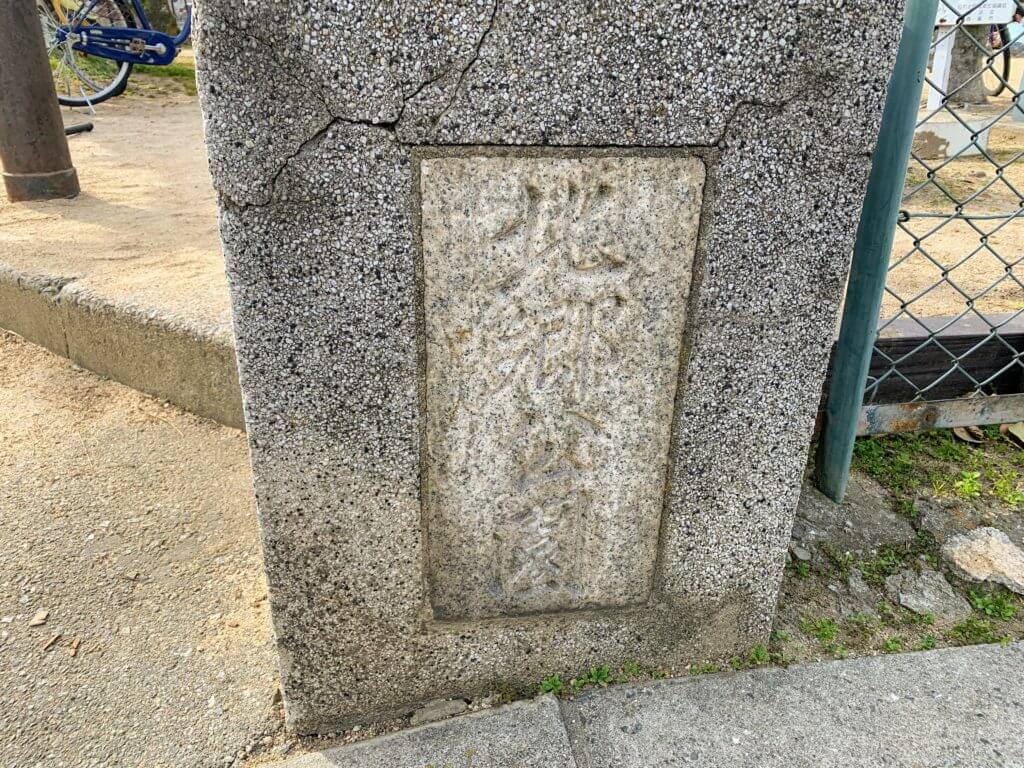
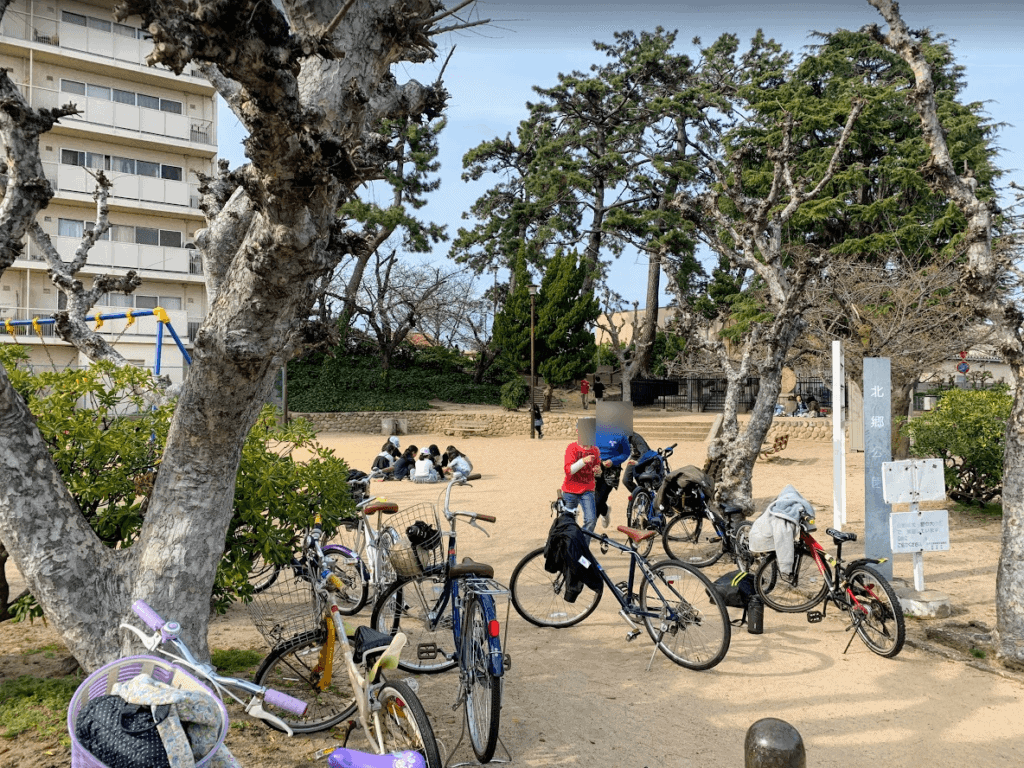
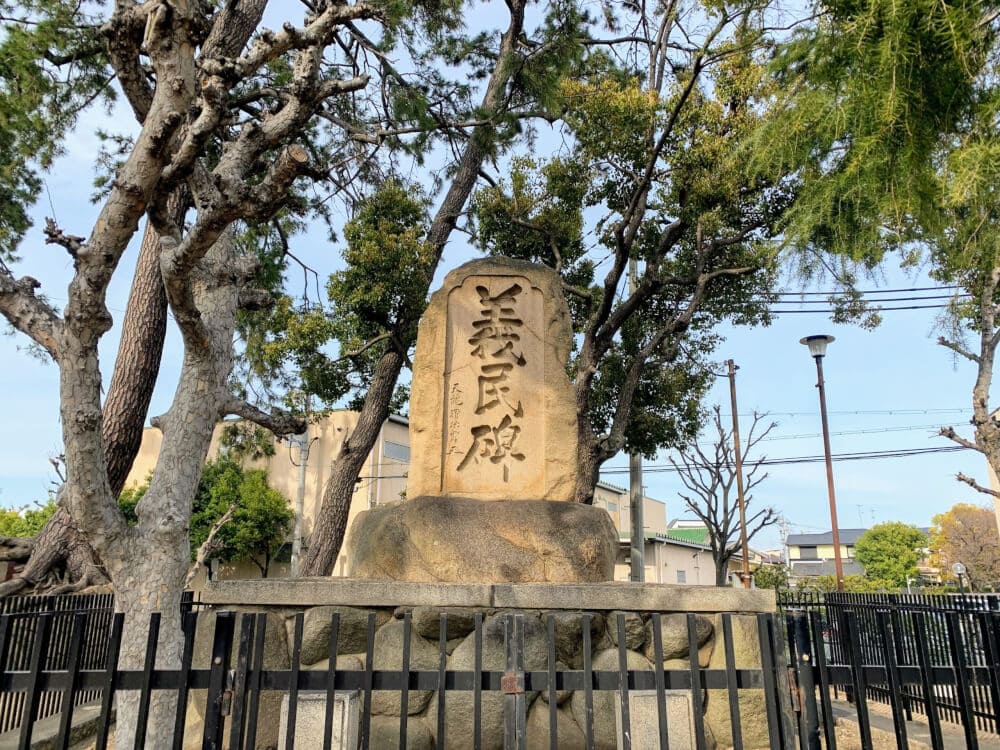
There is a stone monument here in Kitago Park.
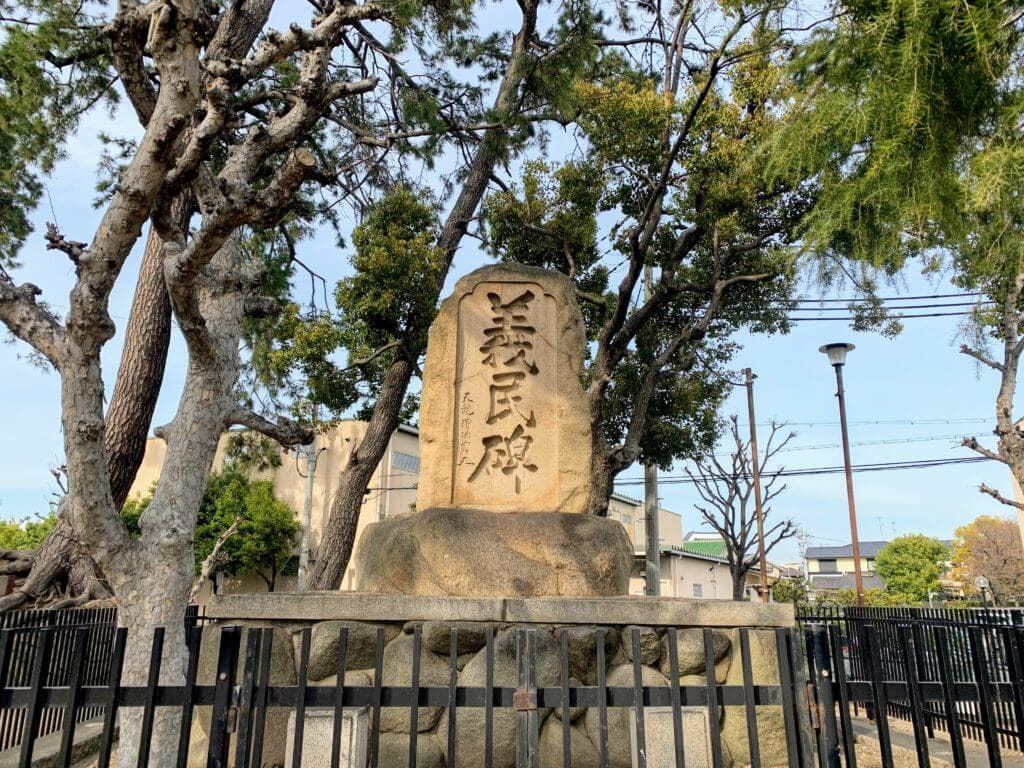
This is the monument.
It has “Gimin Monument” carved into it.
There was also a stone monument with an explanation.
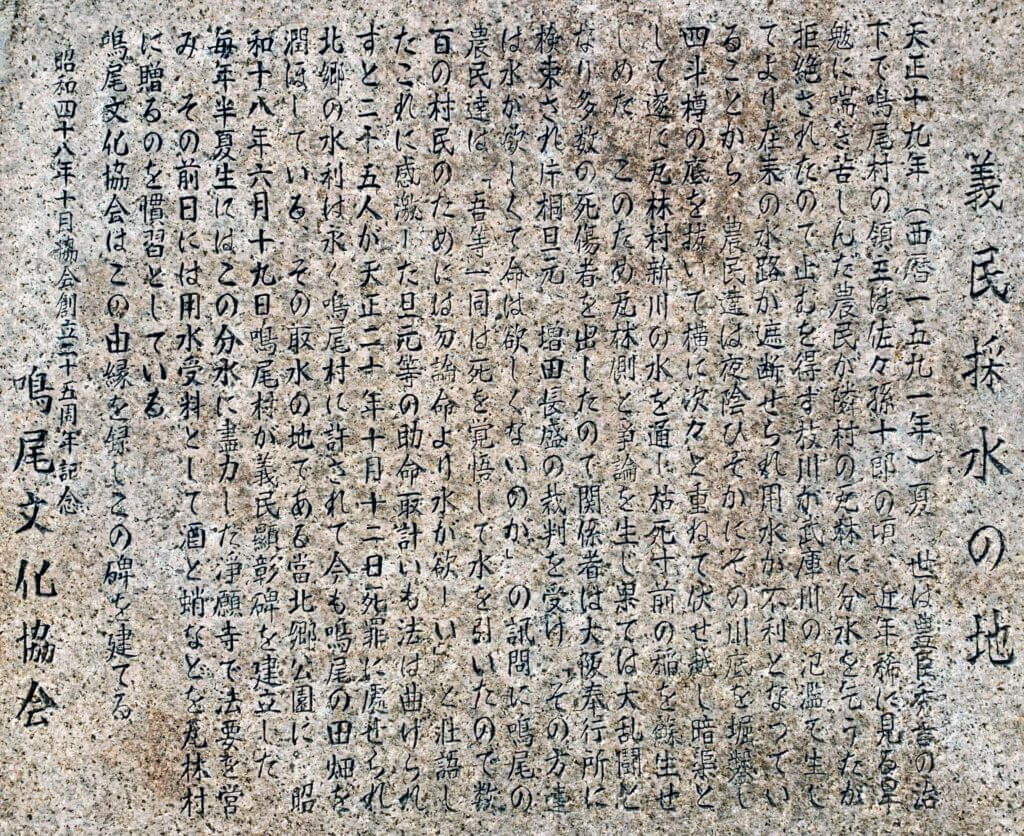
Here it is.
In addition to Kitago Park, there is a similar monument at Yatsumatsu Park a little to the south.
The Gimin Memorial Monument in Yatsumatsu Park
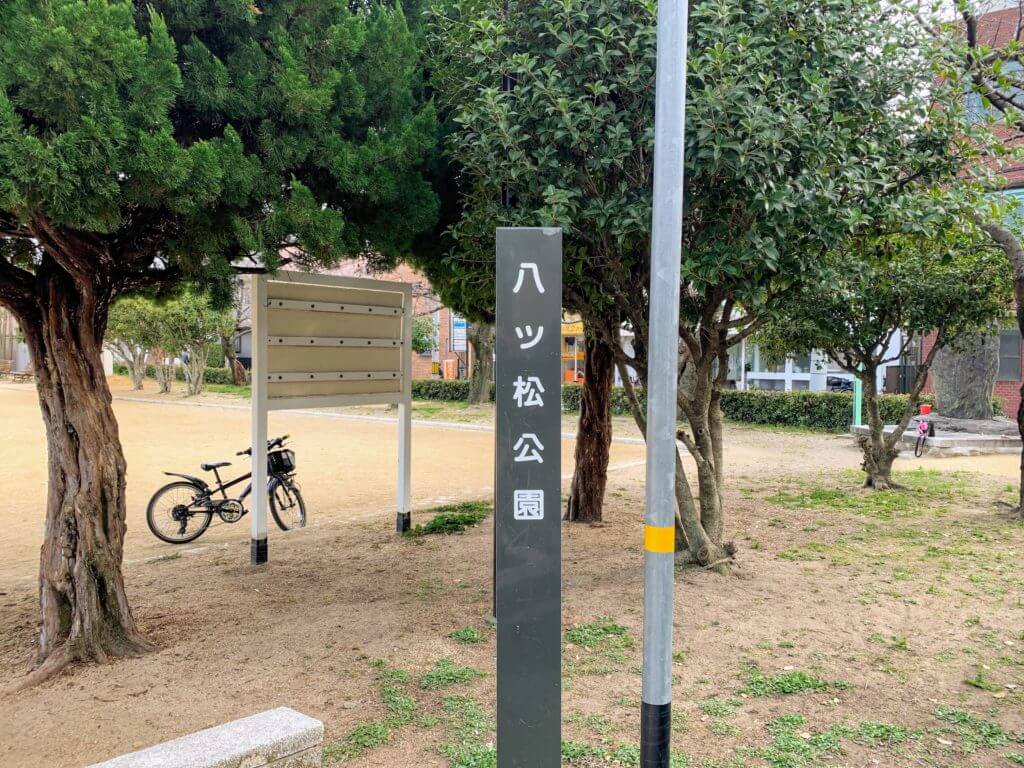
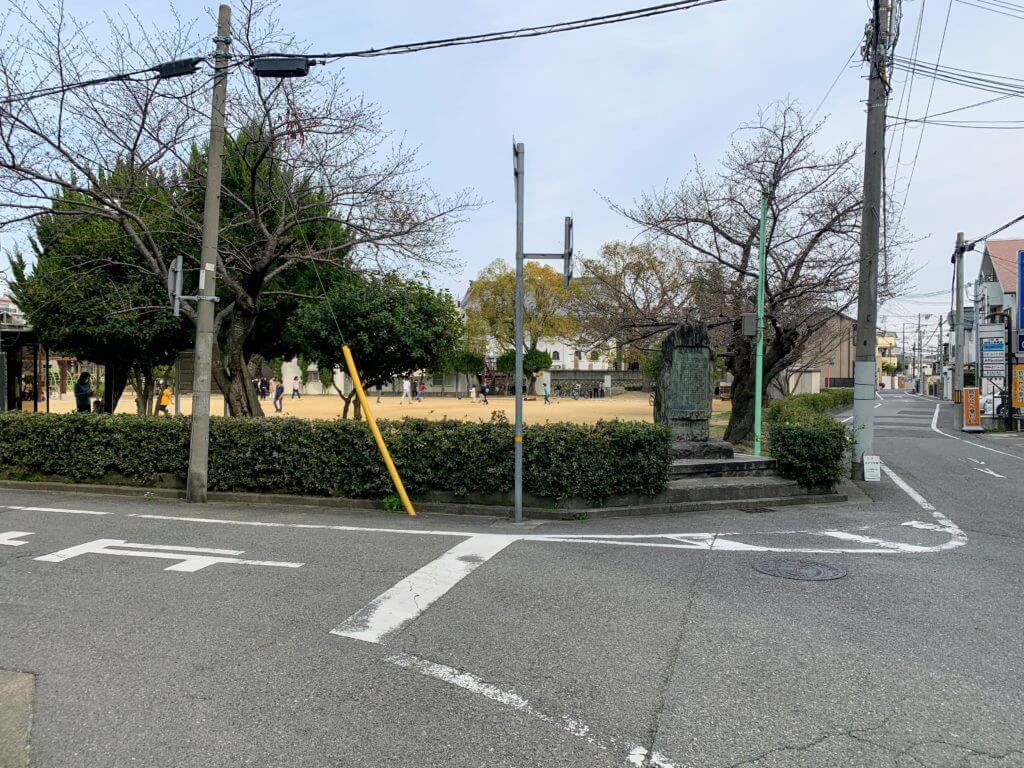
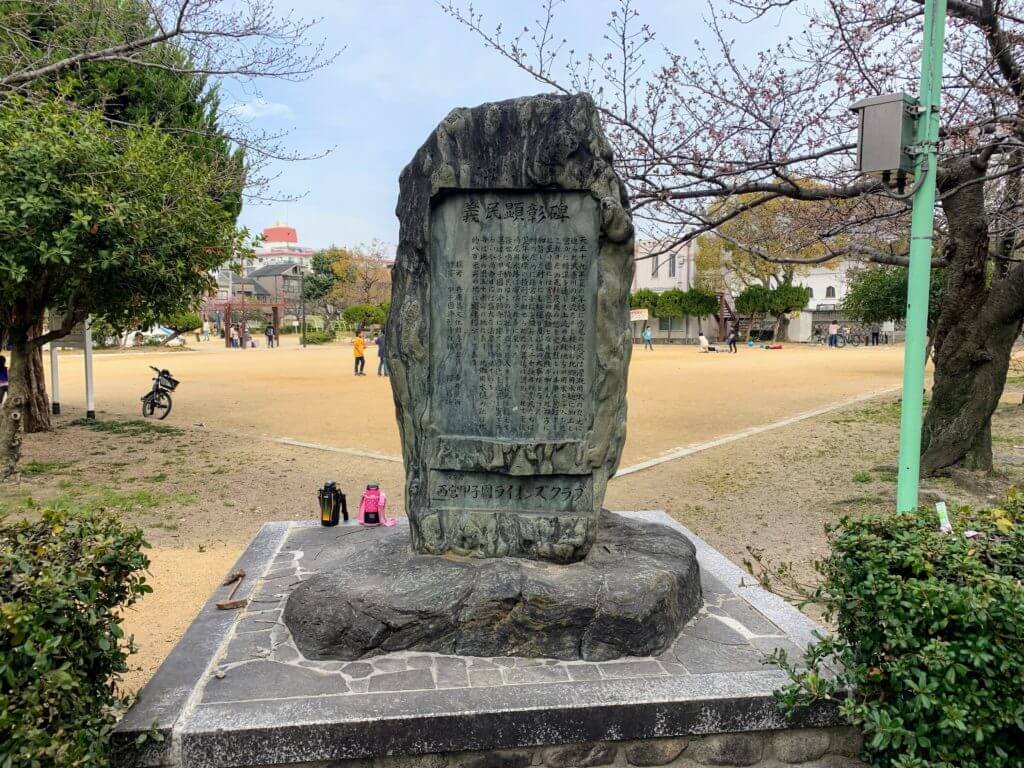
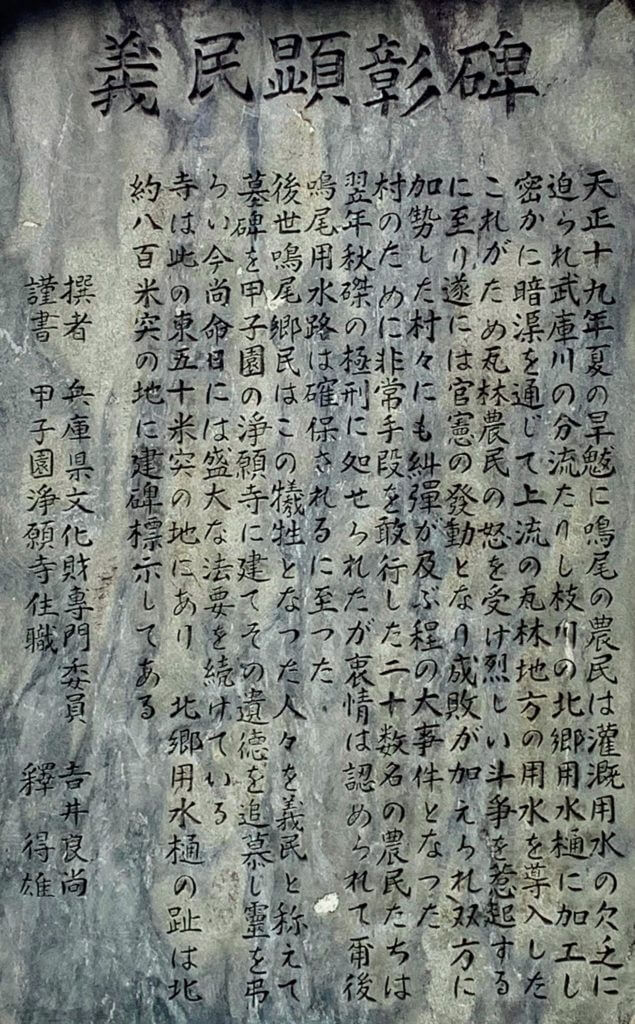
This one says “Gimin Memorial Monument.”
And at Joganji Temple next to this park…
The Monument to the Kitago Canal Martyrs at Joganji Temple
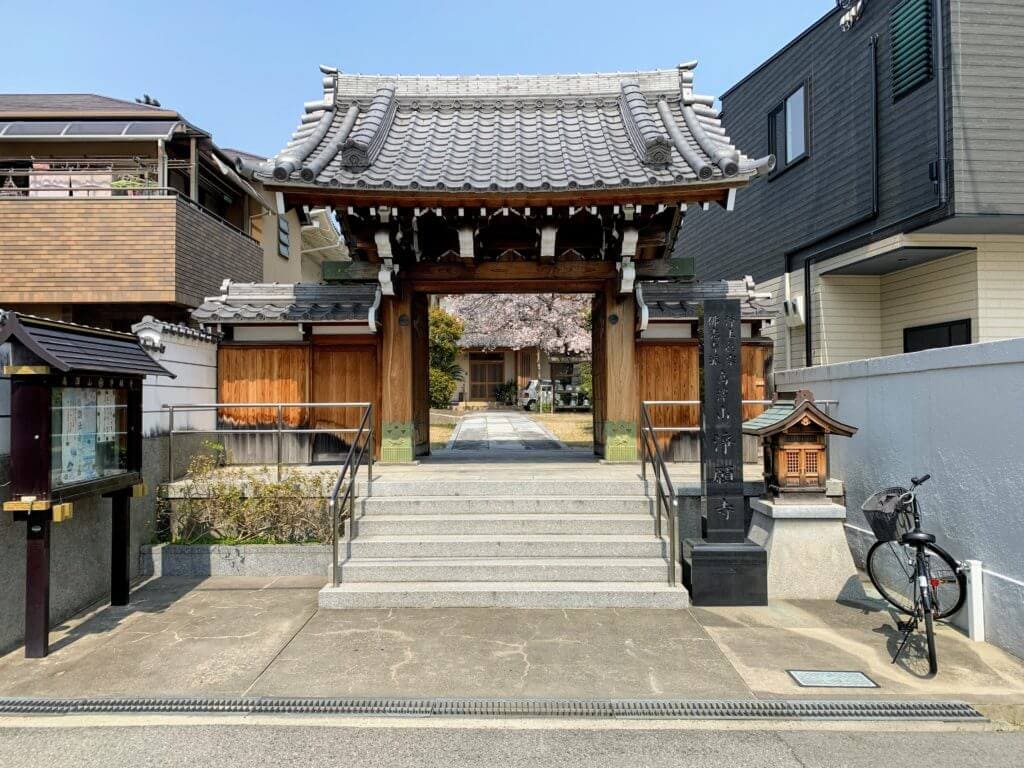
This is Joganji Temple.
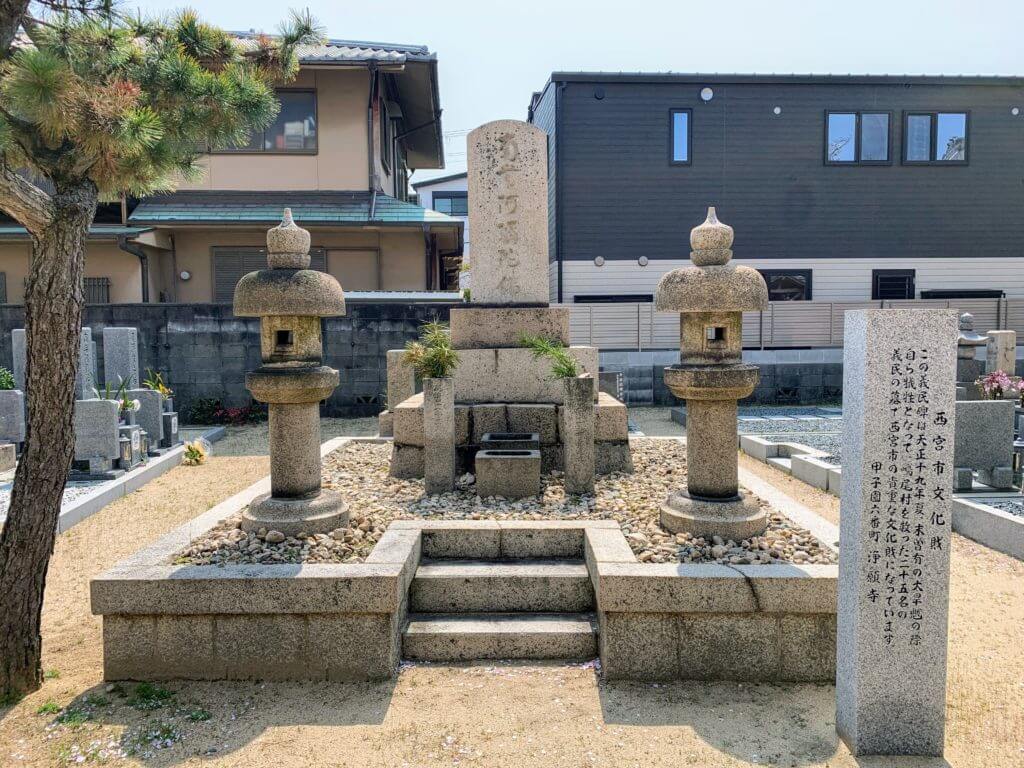
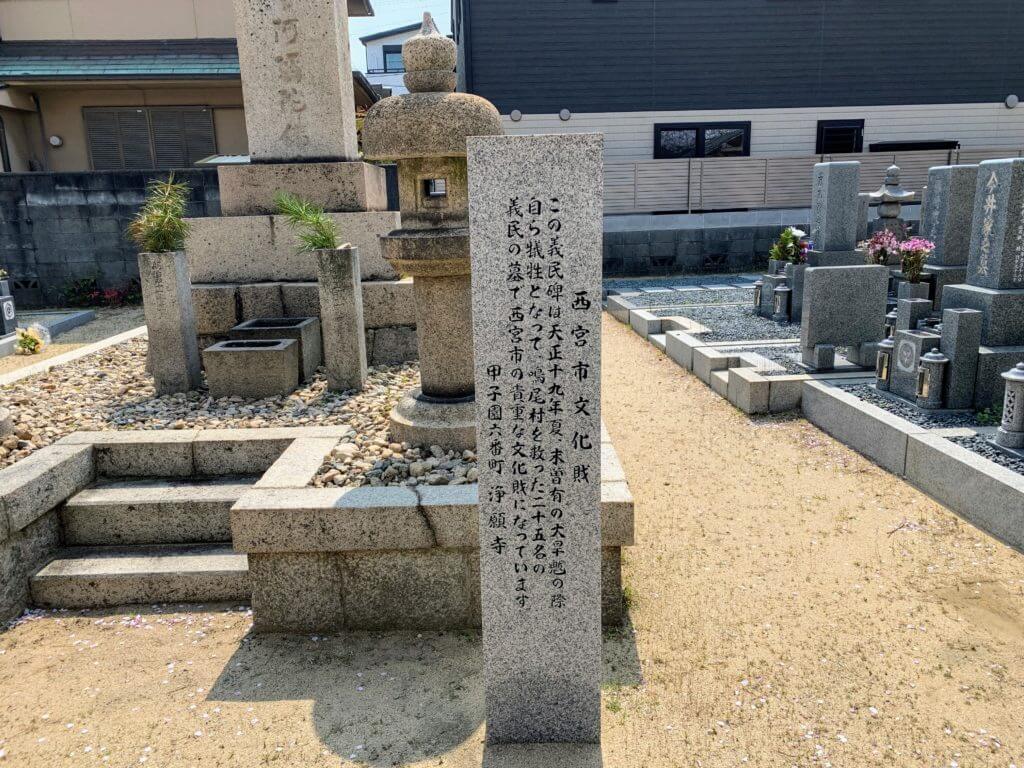
This stone monument is called the “Monument to the Kitago Canal Martyrs,” and it was built during the Edo period.
It is designated as a cultural property of Nishinomiya City as the grave of the “gimin.”
“Gimin” refers to people who devoted themselves to the people.
So who exactly were the “gimin” of Naruo Village?
The Tensho Kitago Canal Incident
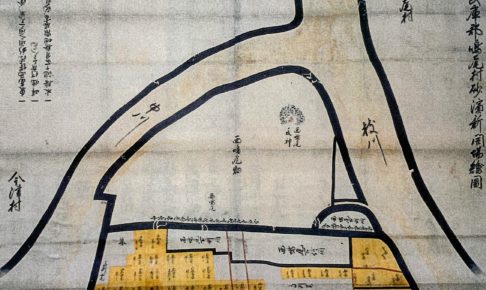
Long ago, Naruo Village used the old Edagawa River as agricultural water.
Of course, the main stream of the Mukogawa River was right next door, but because the Mukogawa was a raised river and often flooded violently, it seems it could not be used for agricultural water.
Edagawa was not as large as the Mukogawa, but it was also a raised river, so during droughts it would quickly dry up. It was by no means a stable water source.
Then, in Tensho 19 (1591), a drought occurred, and Edagawa dried up.
To save Naruo Village from crisis, the villagers asked neighboring Kawarabayashi Village, across Edagawa, to share some water.
There was still water in Shinkawa, which was Kawarabayashi Village’s water source.
But securing water was a matter of survival for Kawarabayashi Village as well, and in the end the request was refused.
So the farmers of Naruo Village resorted to a last measure.
They dug a tunnel beneath the dried-up Edagawa, lined it with barrels, connected it to Shinkawa, and stole the water.
Naturally, Kawarabayashi Village soon found out, and a conflict broke out between the angry Kawarabayashi Village and Naruo Village.
This was the “Tensho Kitago Canal Incident.”
Afterward, both villages were summoned to the Osaka Magistrate’s Office and put on trial.
At the trial, one of the magistrates, Katagiri Katsumoto, asked the farmers of Naruo Village, who had stolen the water knowing it was a serious crime:
“Do you want water so badly that you do not care for your lives?”
The farmers answered:
“Yes. We diverted the water prepared to die for the people of our village. We want water more than our lives.”
Moved by this answer, the magistrates tried somehow to spare the farmers’ lives, but they could not bend the law. In the end, 26 people from Kawarabayashi Village and 25 from Naruo Village were executed. In exchange, however, Naruo Village’s water rights were recognized, and the village was saved.
The farmers executed at that time are still honored today as the “gimin” who saved the village.
In fact, a monument has also been installed at what is believed to be the site of the waterway dug at that time.
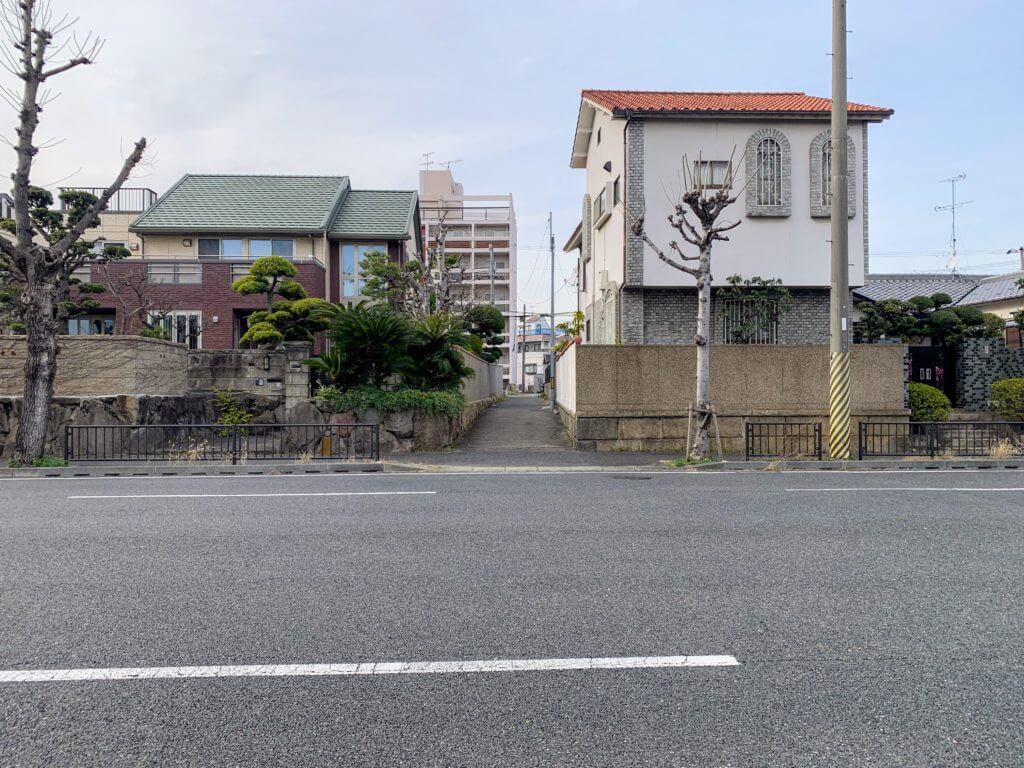
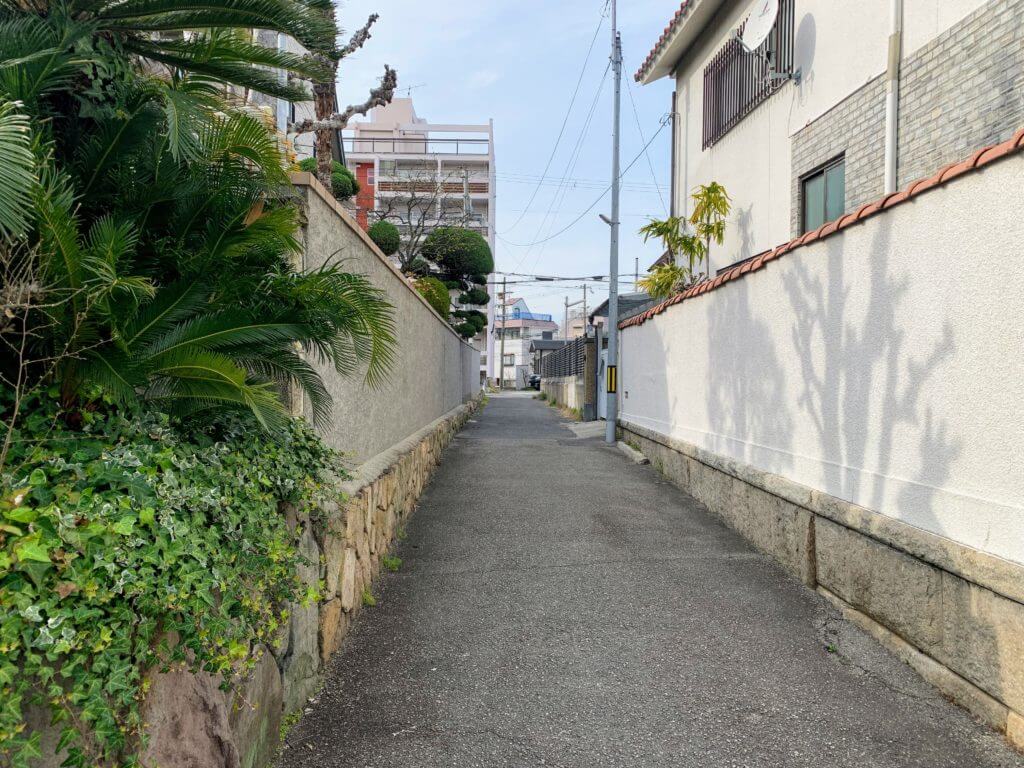
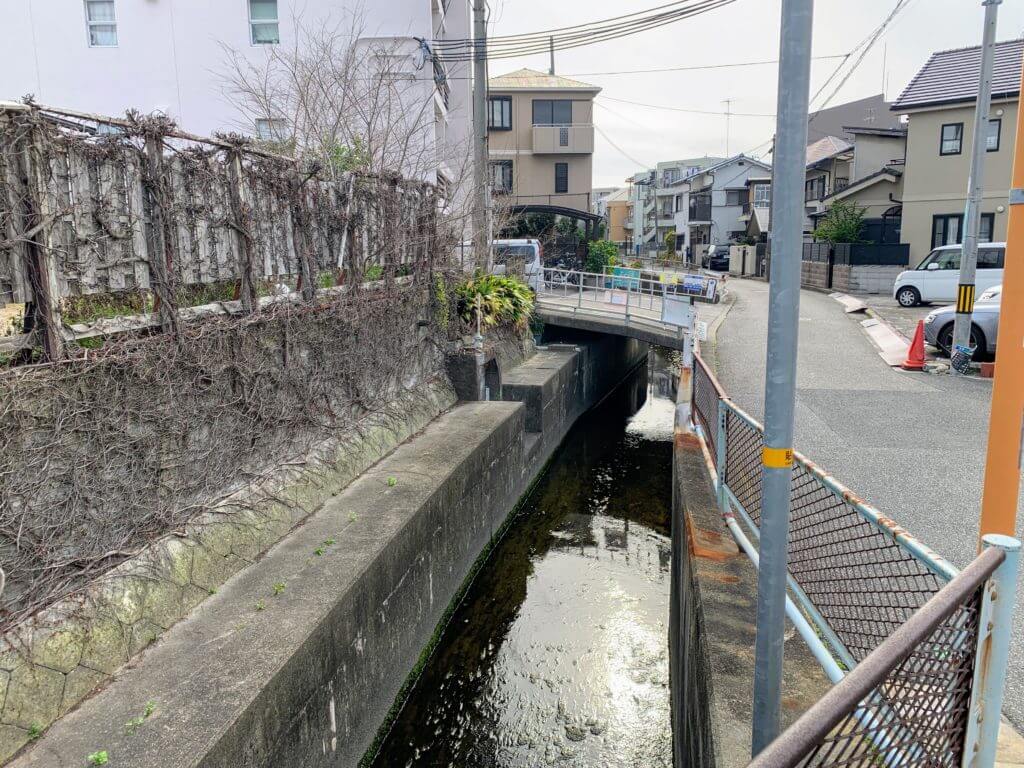
This is a photo of Koshien-suji, formerly Edagawa, in front of Kitago Park.
This narrow road is said to have been the waterway drawn from Shinkawa.
At the end of this road, there is a monument marking the “site of the sluice gate.”
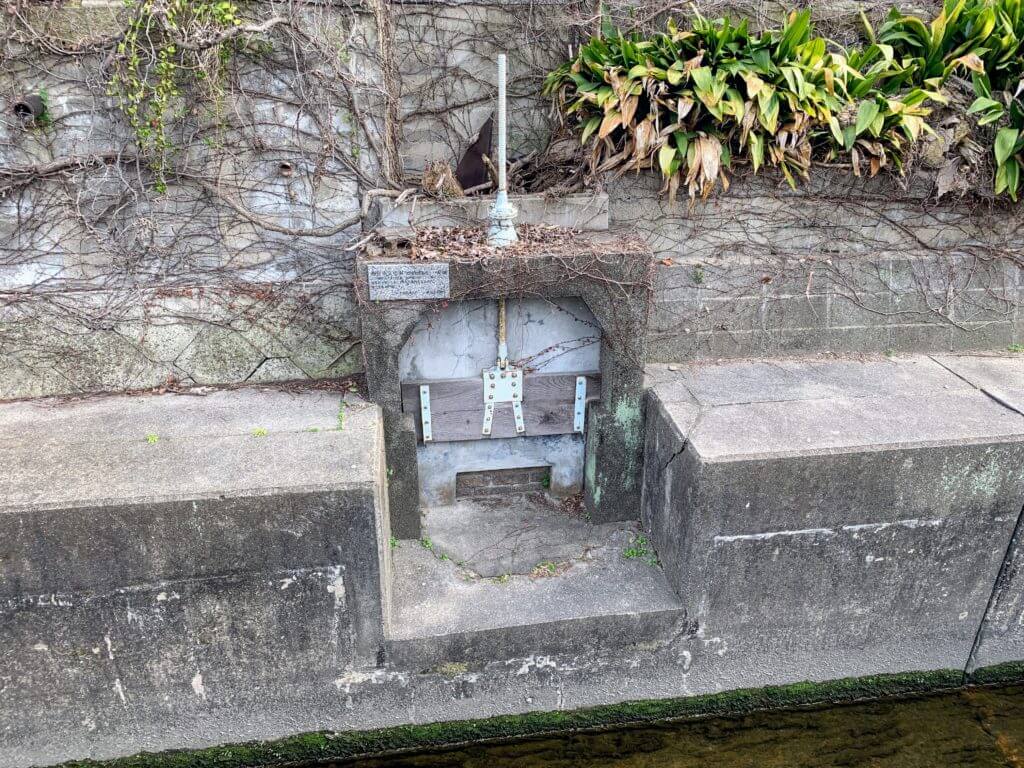
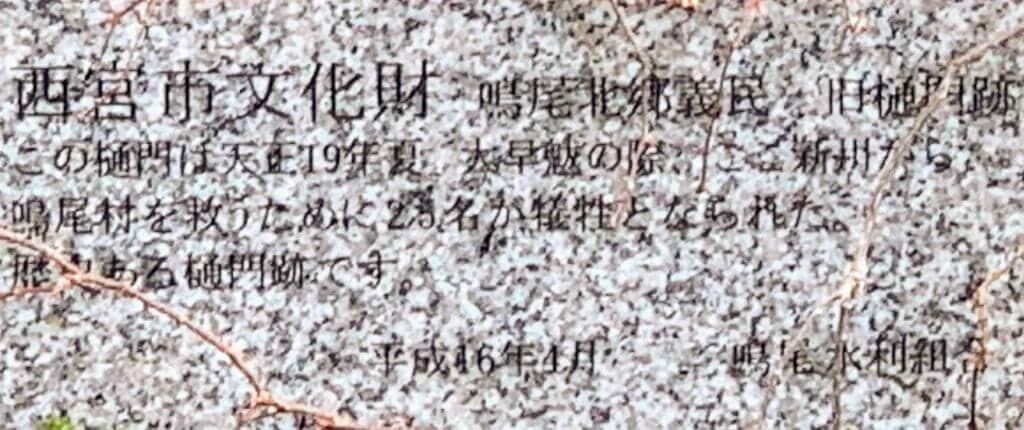
Here it is.
It says “April 2004,” so of course this monument must have been made later.
By the way, the actual Shinkawa River from which the water was drawn is not here; it is farther west.
Before Edagawa was created, water from the Shinkawa river system probably reached Naruo Village. But once Edagawa was formed, that flow was cut off, making water access very inconvenient for Naruo Village. The stone monument in Kitago Park says something along those lines as well.
For the farmers of Naruo Village, it may have felt less like “stealing water” and more like “taking back water” that had once been theirs, though this is only speculation.
The details are no longer clear, but it is easy to see just how important the gimin are to the people of Naruo.
The “Tensho Kitago Canal Incident” and the “gimin of Naruo Village” are described in more detail on various sites, so if you would like to learn more, please also take a look at the sites below ↓
(References)
Eco Community Information Board
A Slightly Historical Nishinomiya