

😀 “There’s no plumbing, so it’s impossible.” “We’d have to tear up the floor.” “It’ll cost 1 million yen.”
These are the kinds of things contractors often say when you want to add a new toilet.
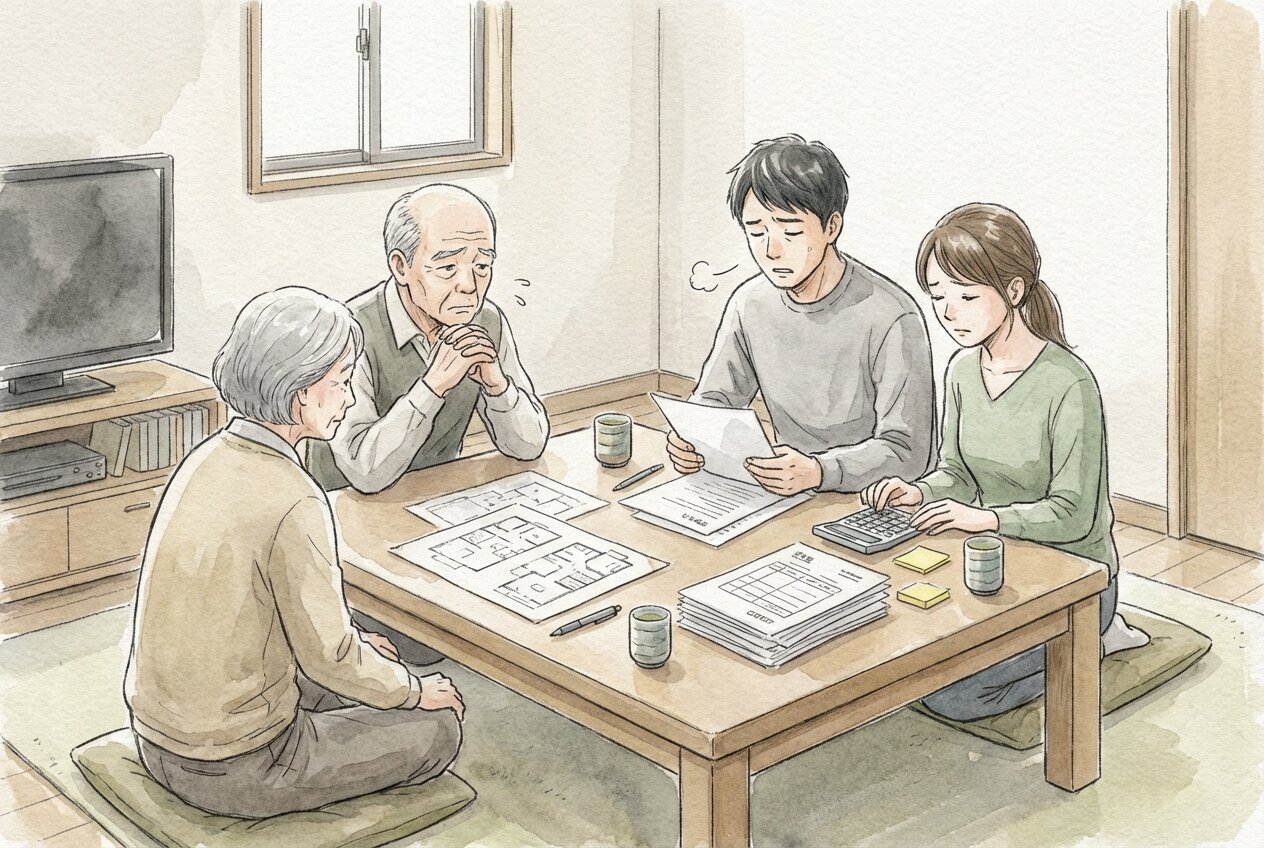
Maybe your parents are getting older and you’d like a toilet in the second-floor bedroom. Or maybe you want to add toilets to private rooms at a care facility. Or perhaps your shop doesn’t have enough toilets.
I’m sure plenty of people have given up, thinking, “I want to do it, but I can’t.”

Actually, that’s already a thing of the past!
We heard that a care facility in Nishinomiya has a toilet that overturns that common belief, so we went to take a look!
目次
We Visited a Care Facility in Tsuto Nishiguchi-cho
We came to a place 7 minutes on foot from JR Nishinomiya Station:
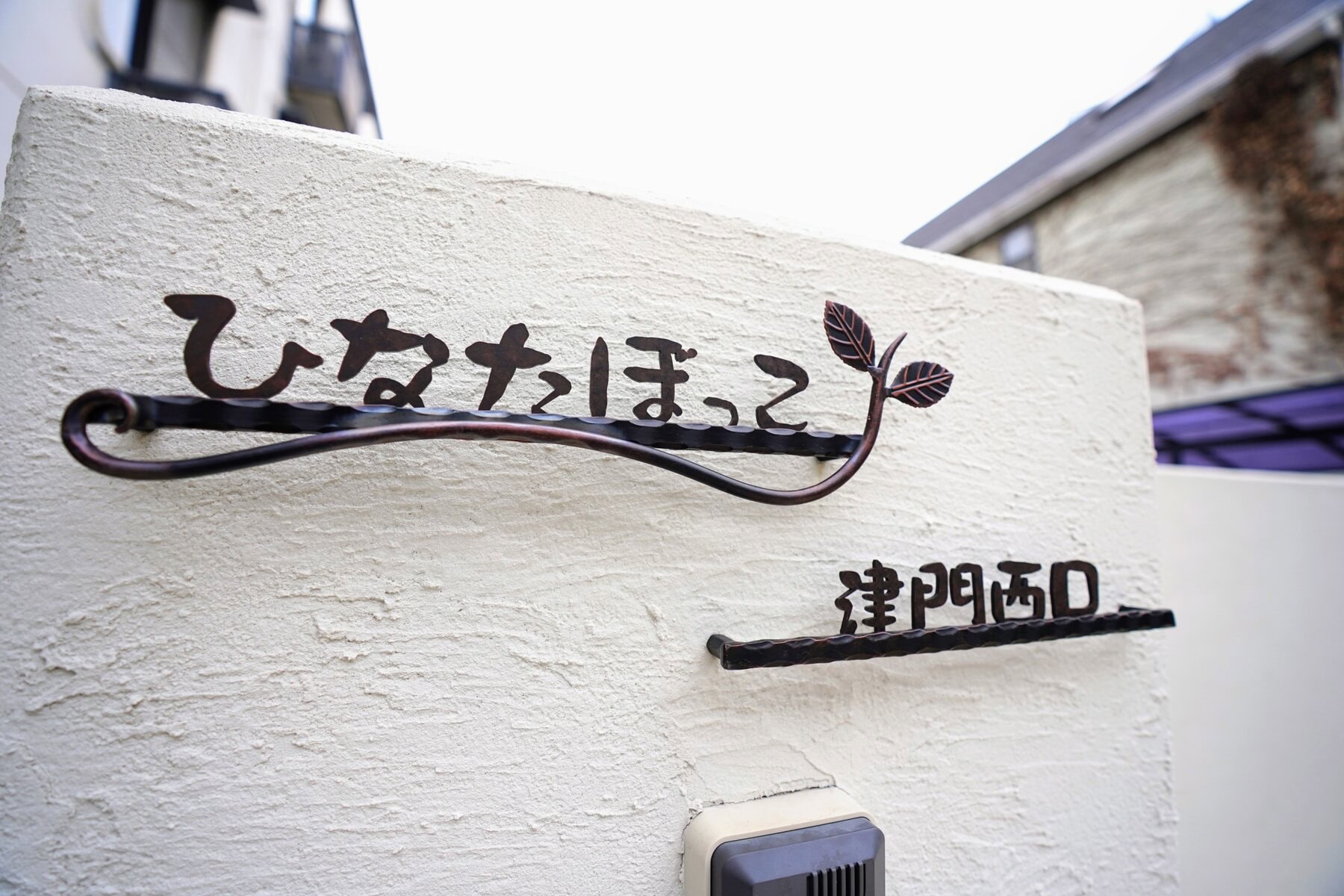
The residential paid nursing home “Hinatabokko Tsuto Nishiguchi” in Tsuto Nishiguchi-cho.
Here it is on the map↓
The address is 1-18 Tsuto Nishiguchi-cho, Nishinomiya, Hyogo Prefecture.

It’s a facility with a warm atmosphere. But what we want to focus on this time is the toilet in the room.

Showing us around was Nishihira-san from SFA Japan, a company that makes a groundbreaking toilet system. SFA is a company from France, and apparently it has a history of more than 67 years.
A Normal Toilet in the Room?!
A resident’s room
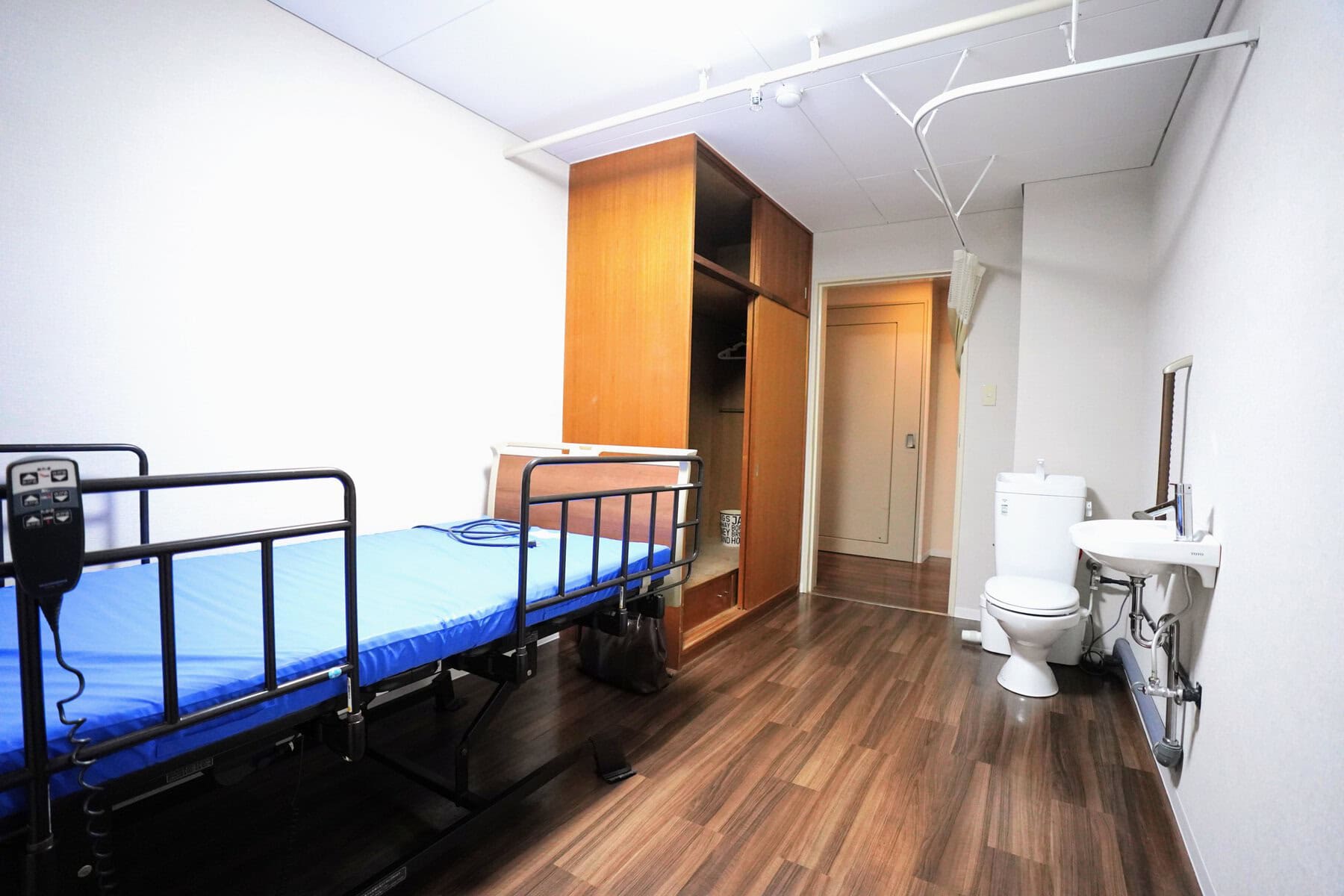
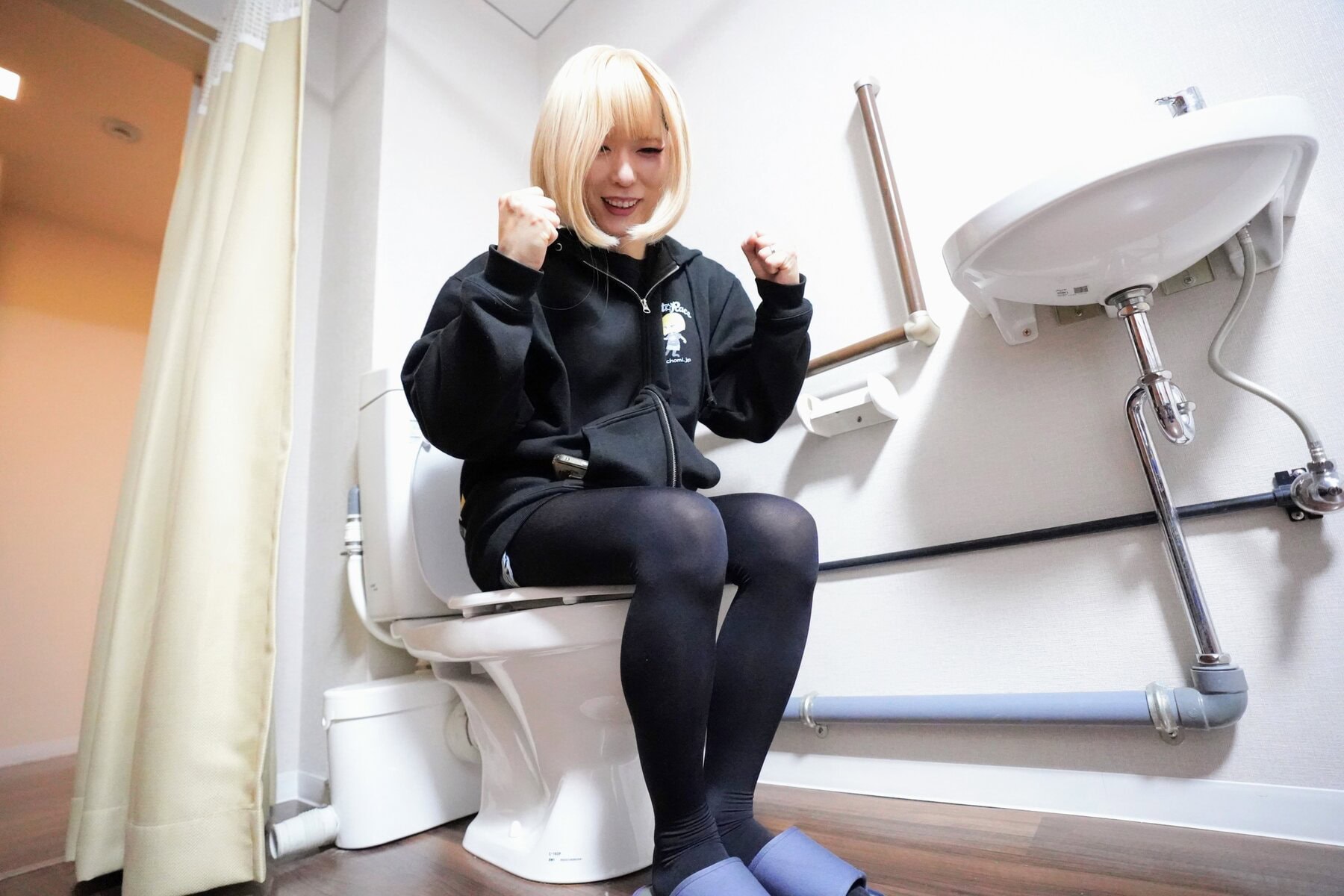
There’s a toilet inside the room.
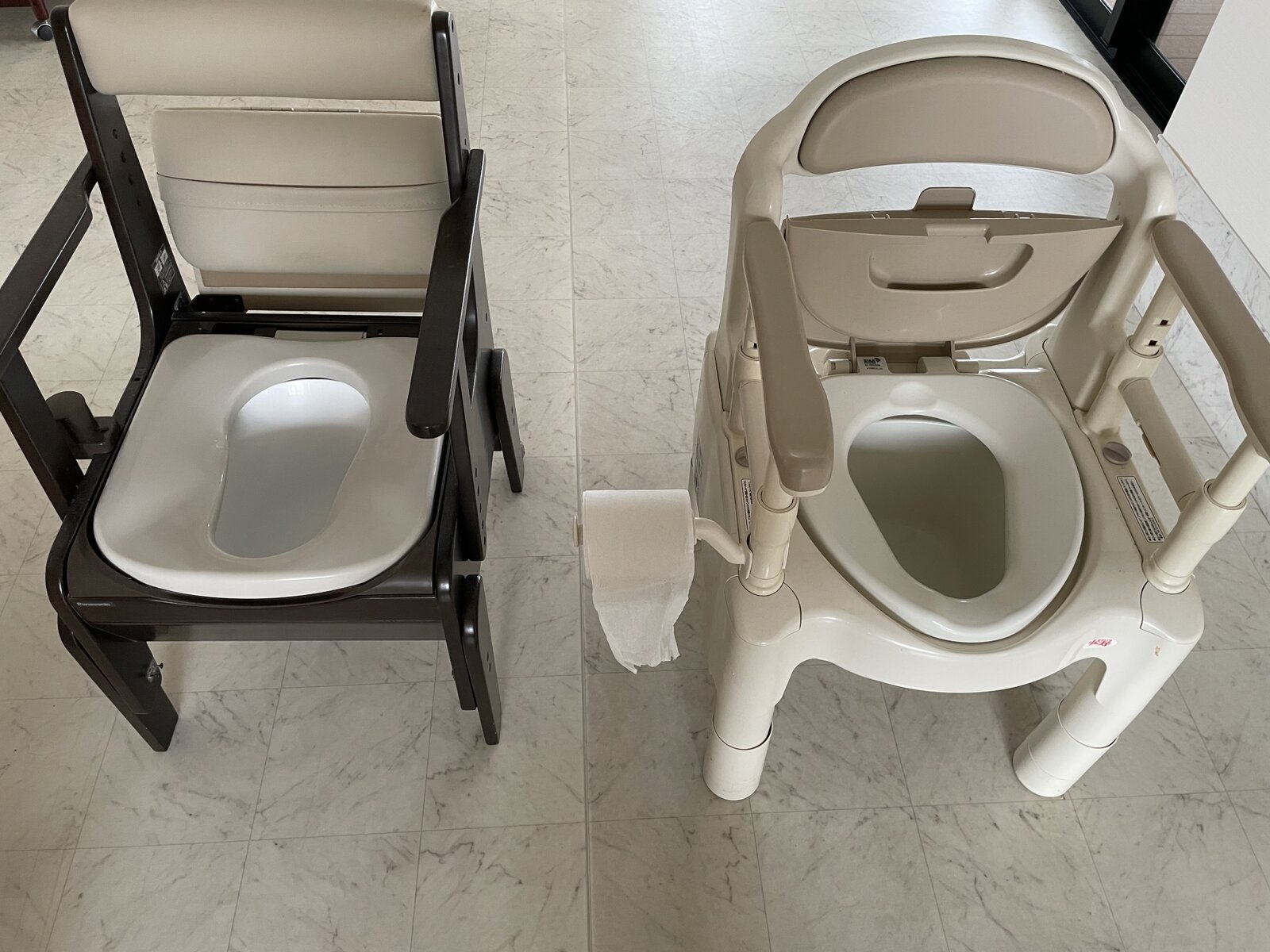
Many care facilities don’t have toilets in each room, and even when they do, they’re often portable toilets. The facility my grandma stayed in was like that too, and the smell would linger…
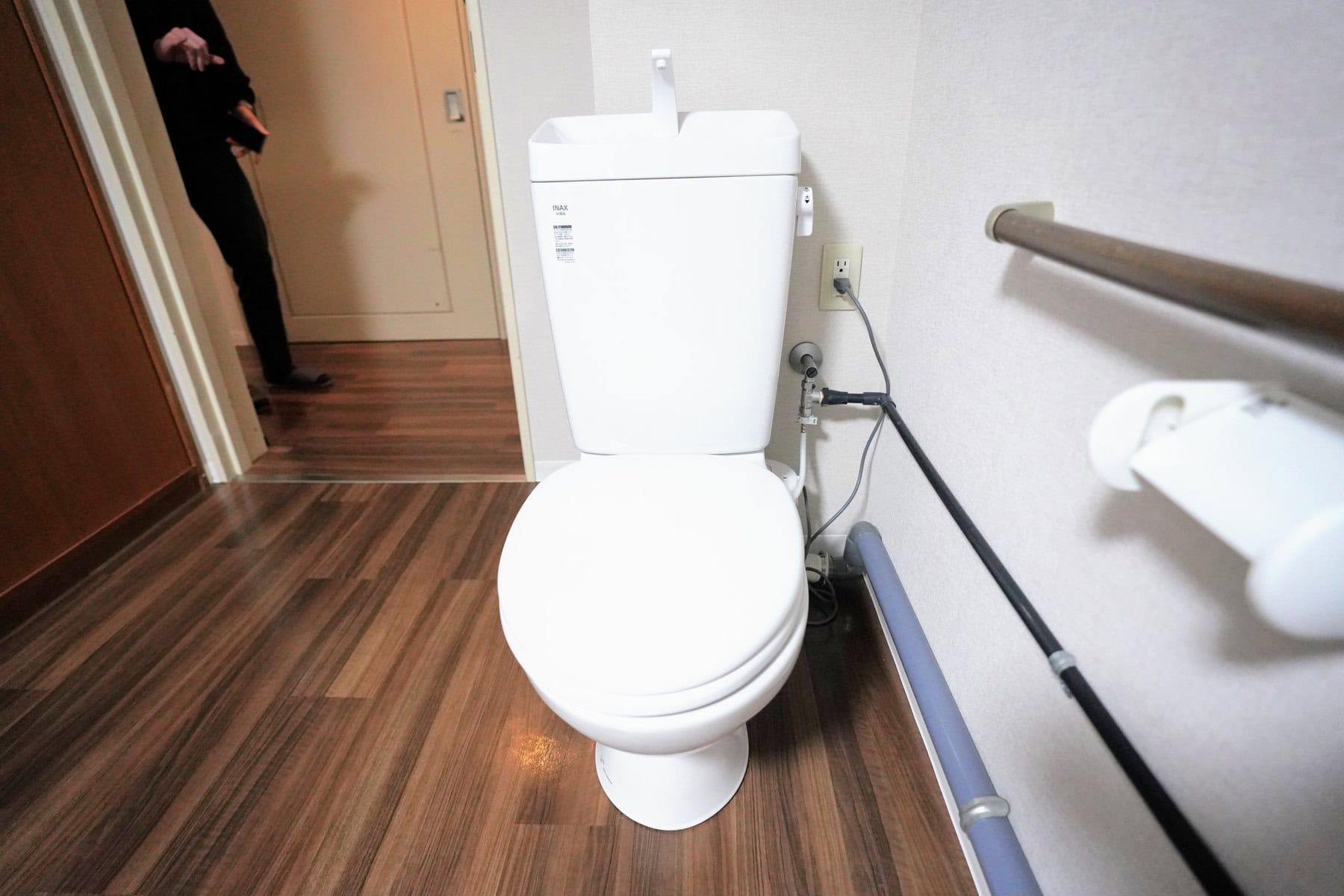
But here, there’s a flush toilet right by the bed, so the burden on residents must be completely different.
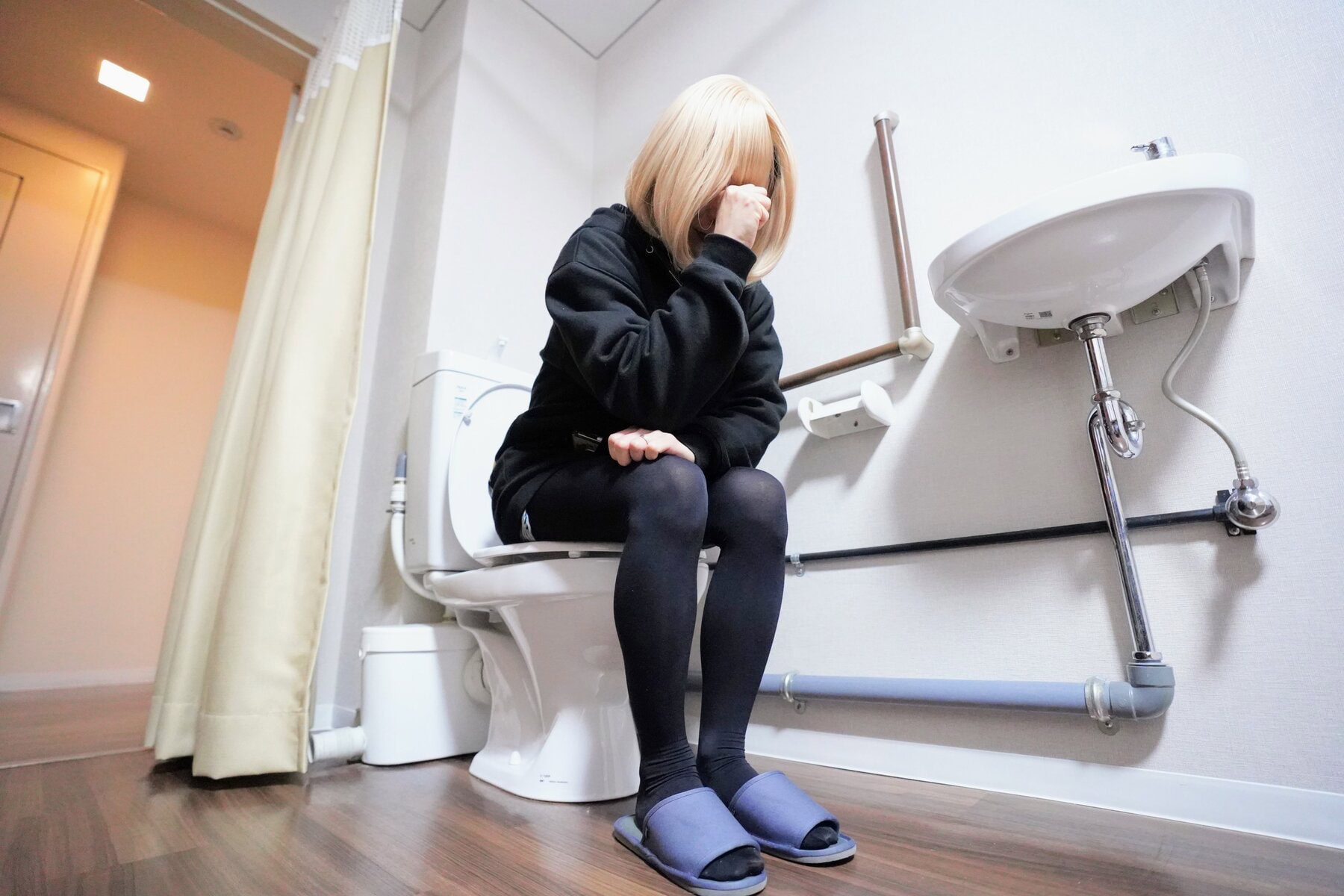
And it looks like an ordinary toilet, but…
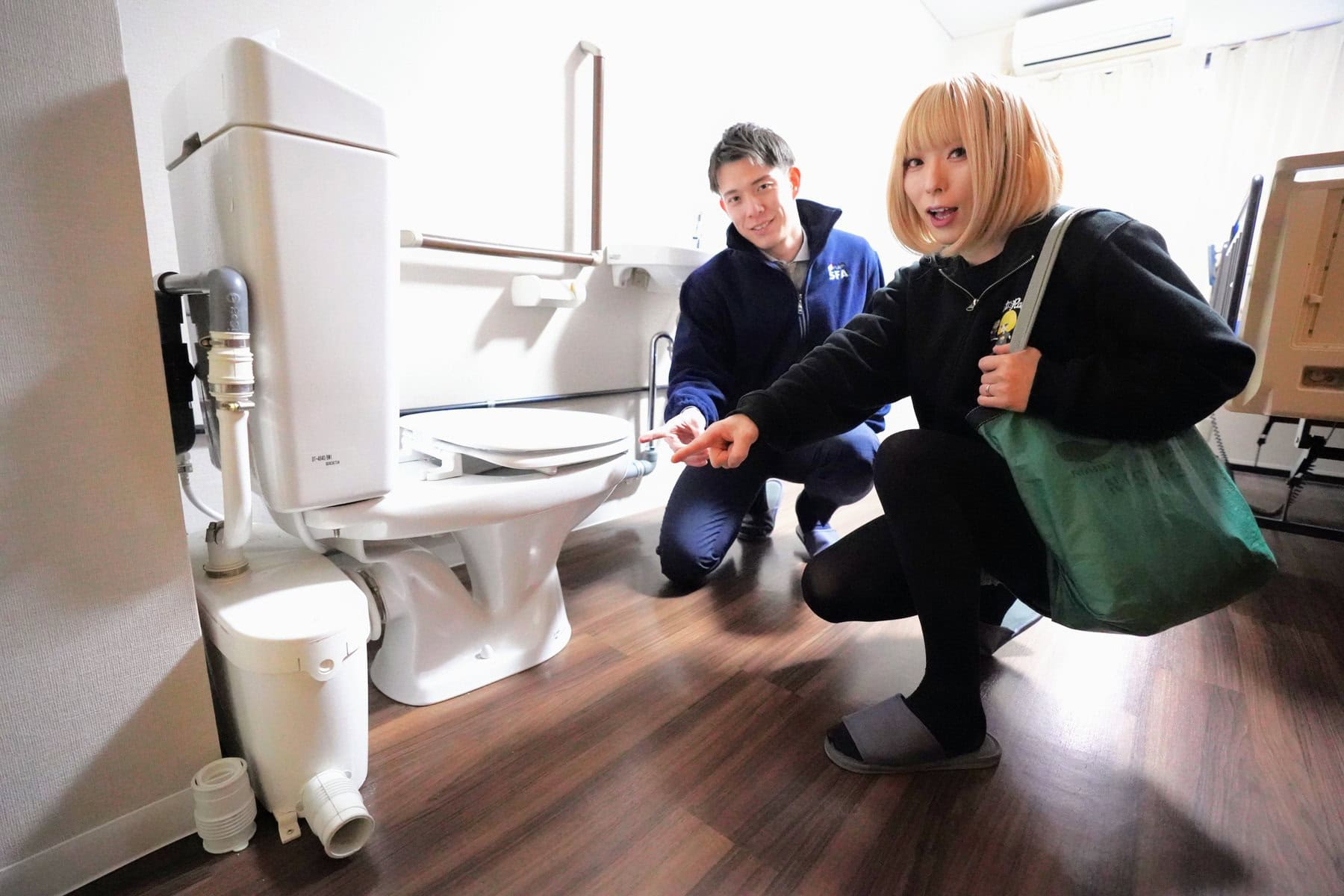
Oh, is there something attached?
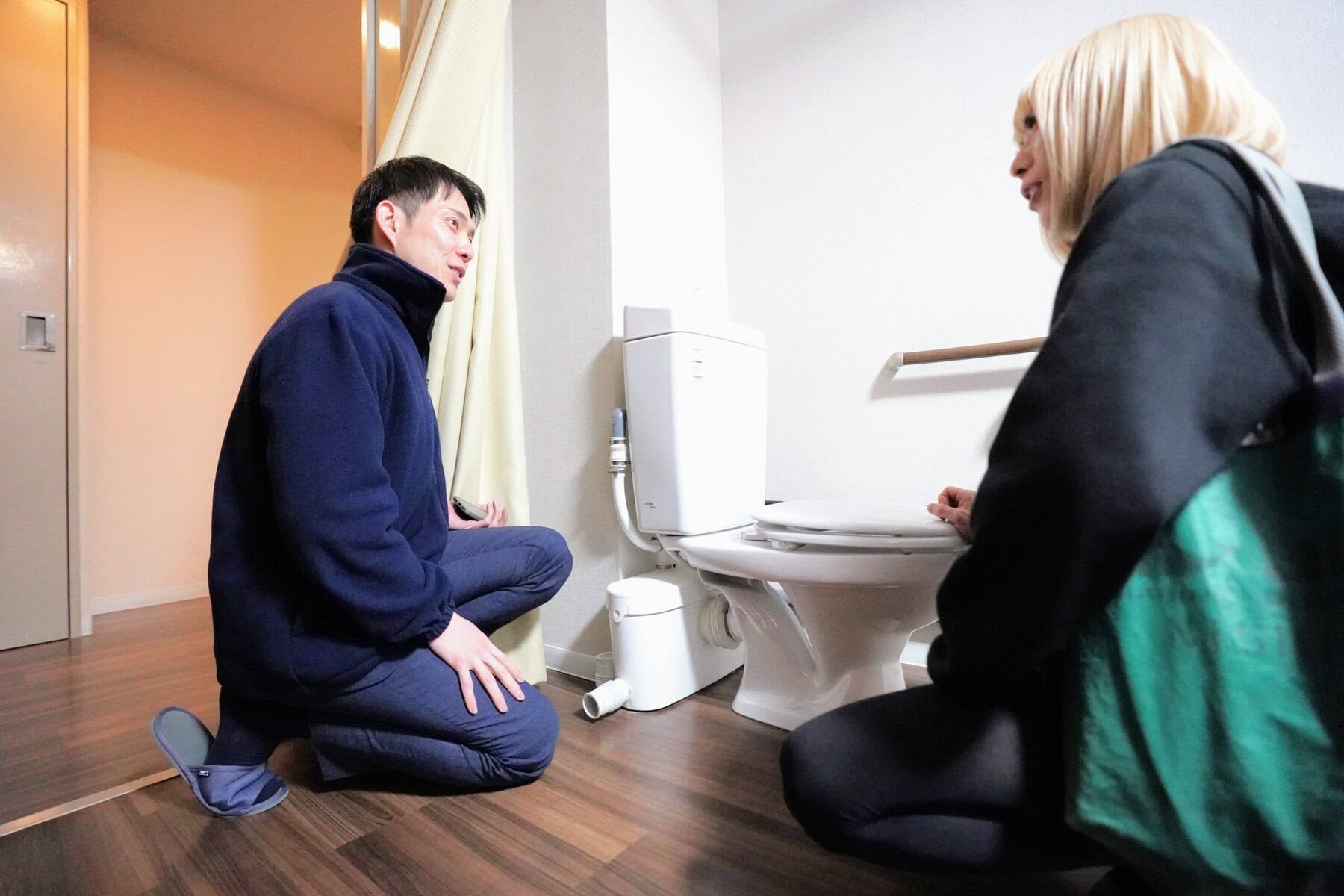

Actually, the wastewater from this toilet flows not down, but up.
What??? Up???
A Toilet Where Wastewater Flows “Up”?!
As the word sewer suggests, wastewater normally flows down by gravity.
Like this↓
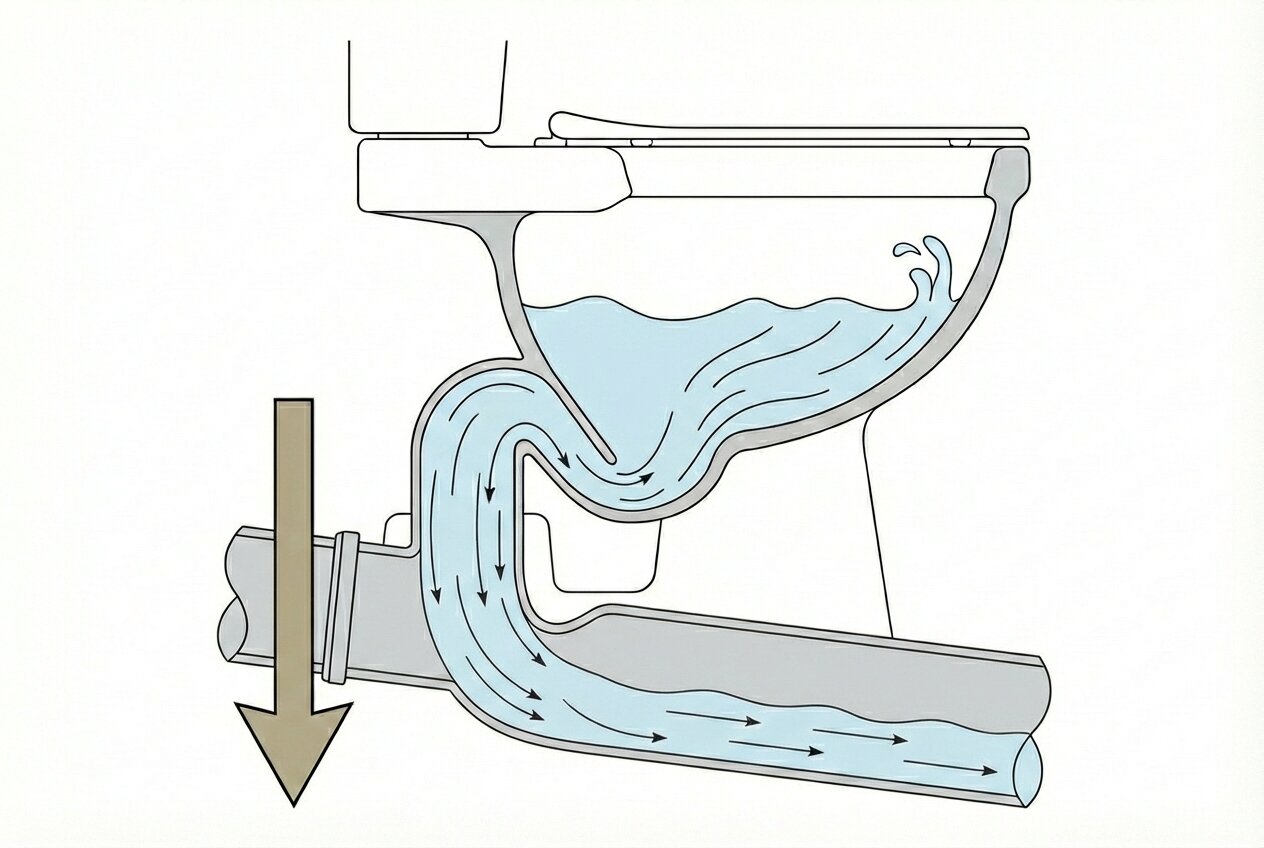
But with this toilet,
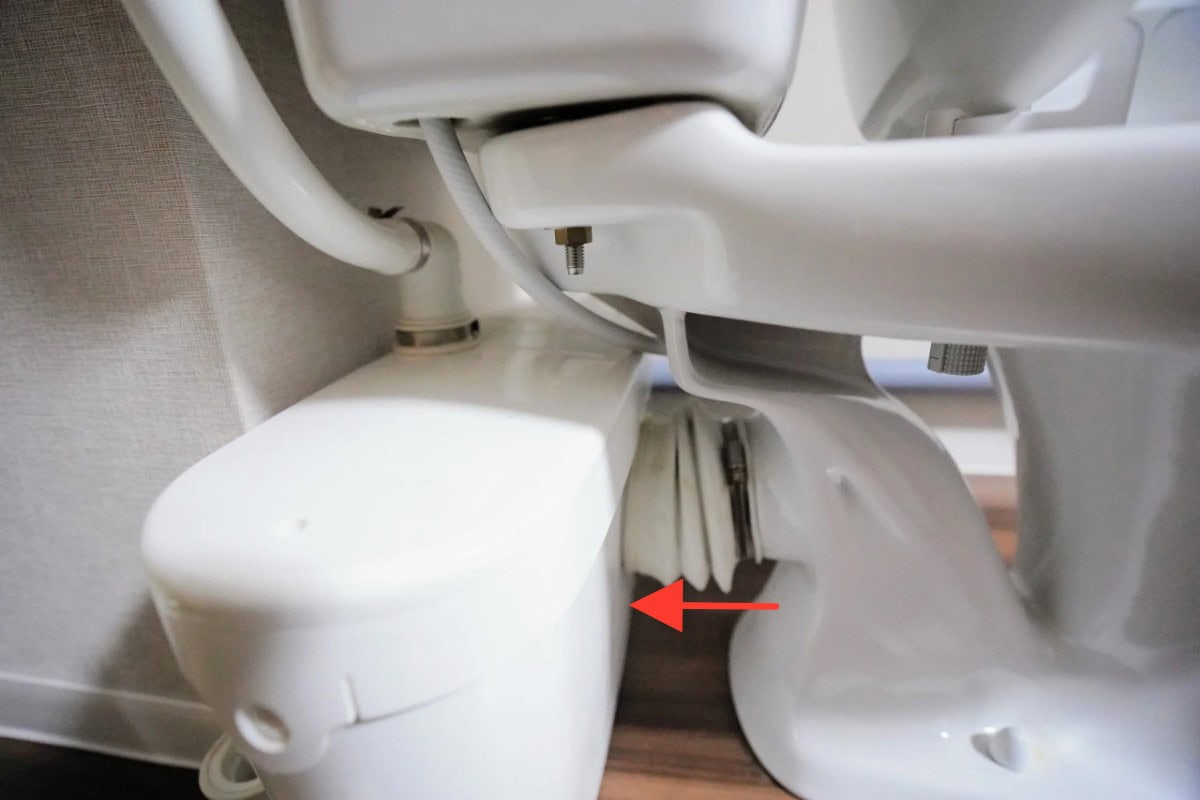
the wastewater connects directly to the small white box attached at the back.
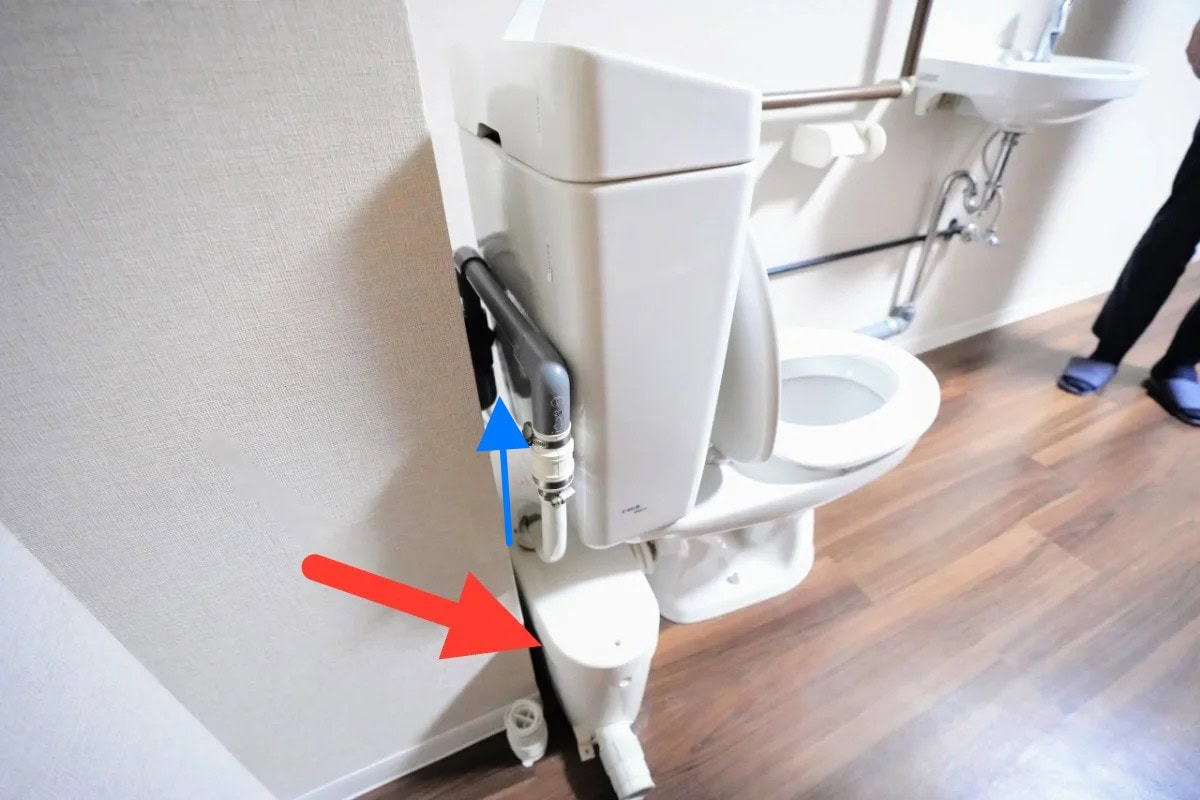
Inside this box is a pump with a grinder. That’s what sends the wastewater upward.
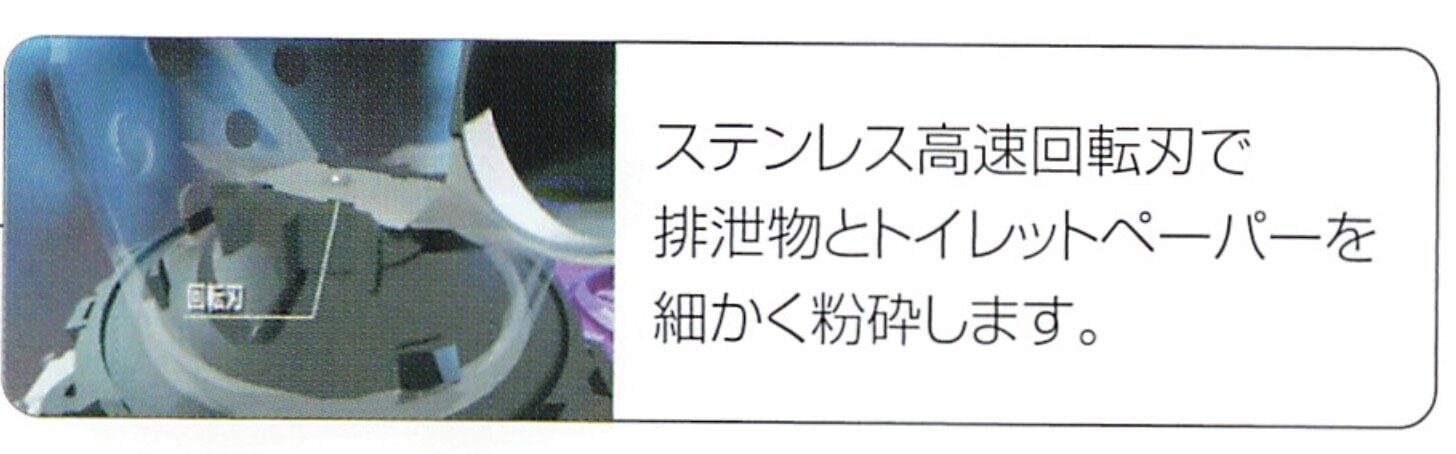
When you flush, the cutter inside grinds up the waste. Then, with the power of the pump, it gets pressure-fed upward.
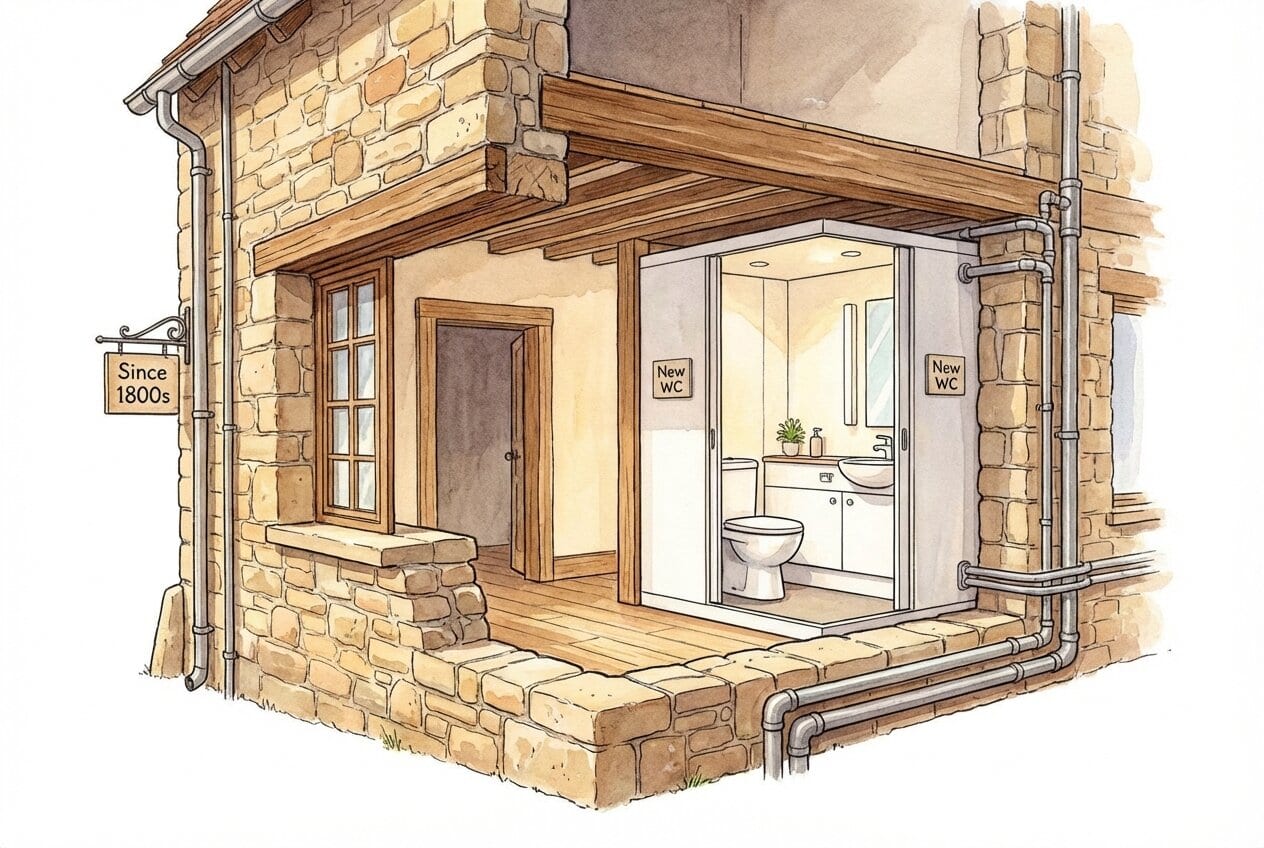
Apparently, in Europe, it’s common to keep using buildings for 100 or even 200 years, so this technology was born as a way to add toilets without tearing buildings apart.
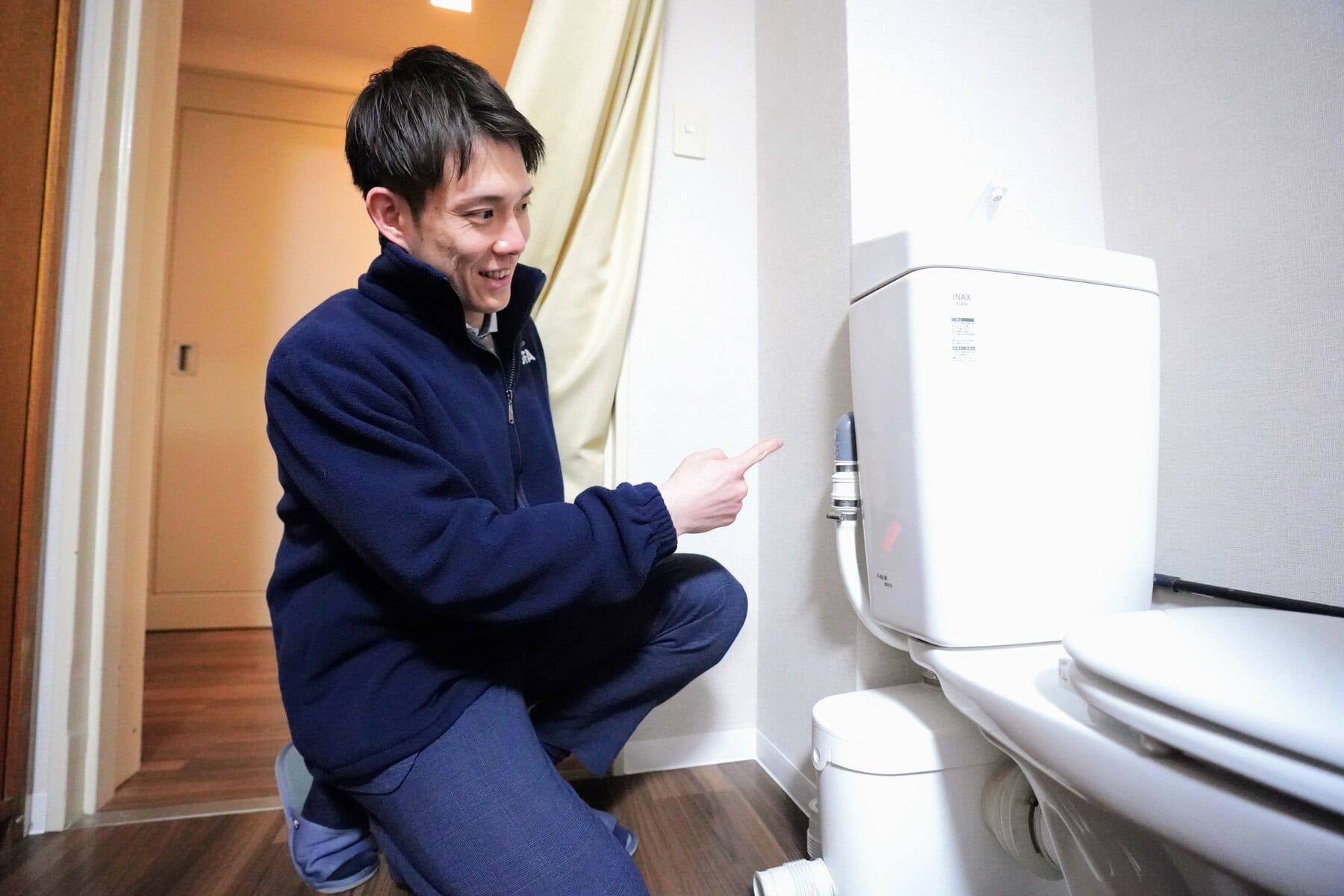
Normally, sewage can’t go against gravity, but this system sends it upward.
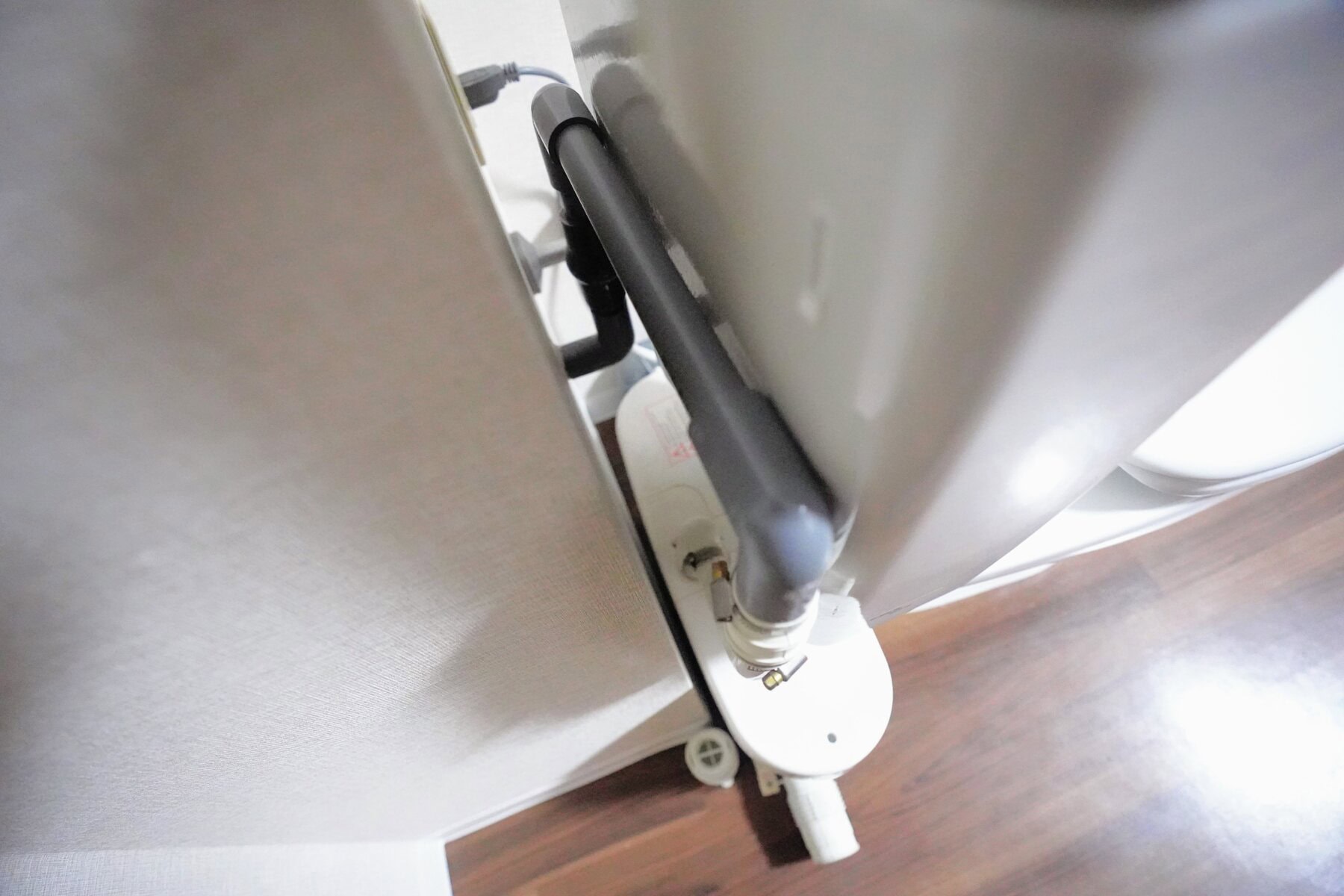

Still, with pipes this thin, doesn’t it clog??
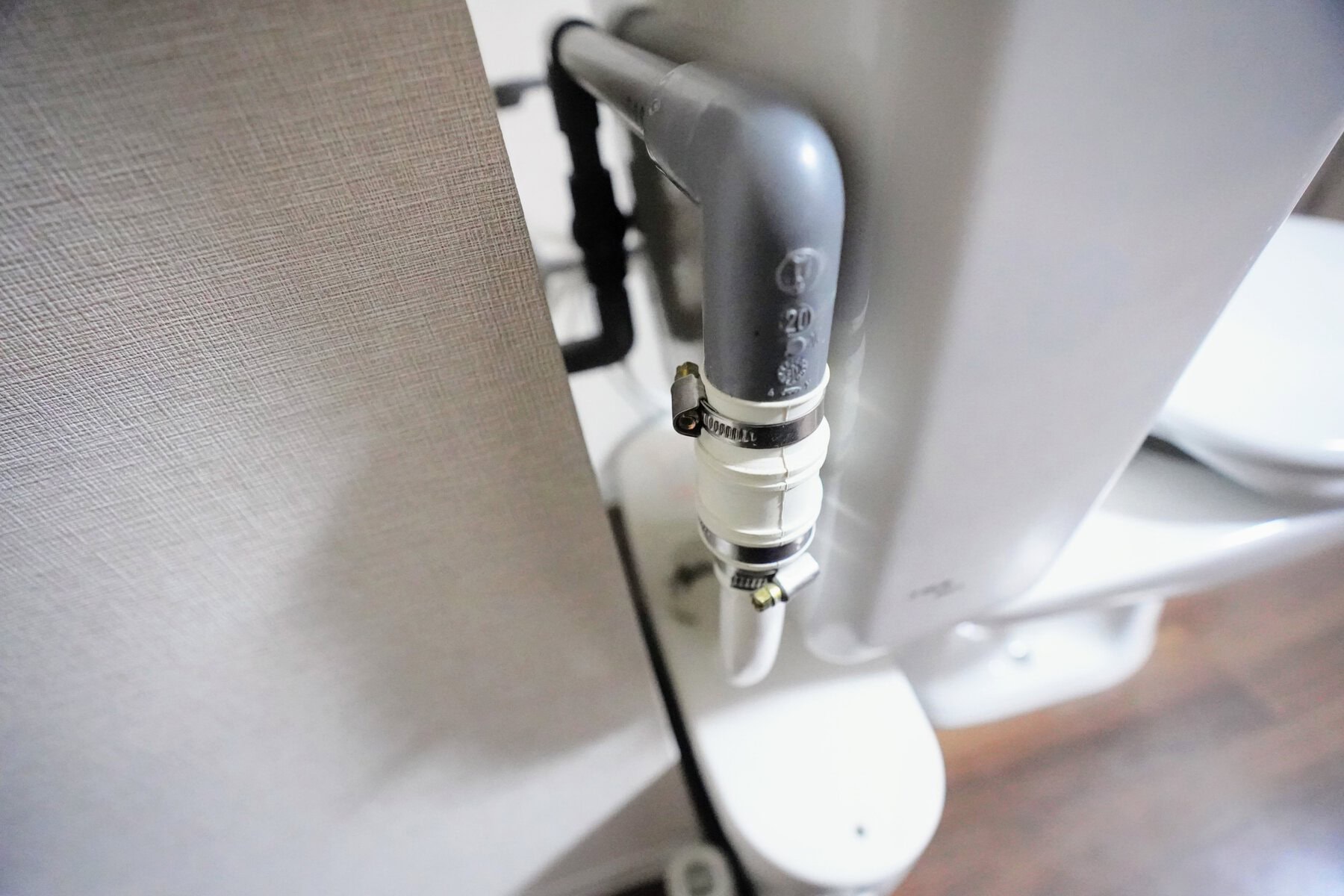
A regular toilet needs a thick drainpipe with a diameter of 75 to 100 mm, but with this system, the waste is ground up before it’s flushed through, so a thin 20 to 25 mm pipe is enough.
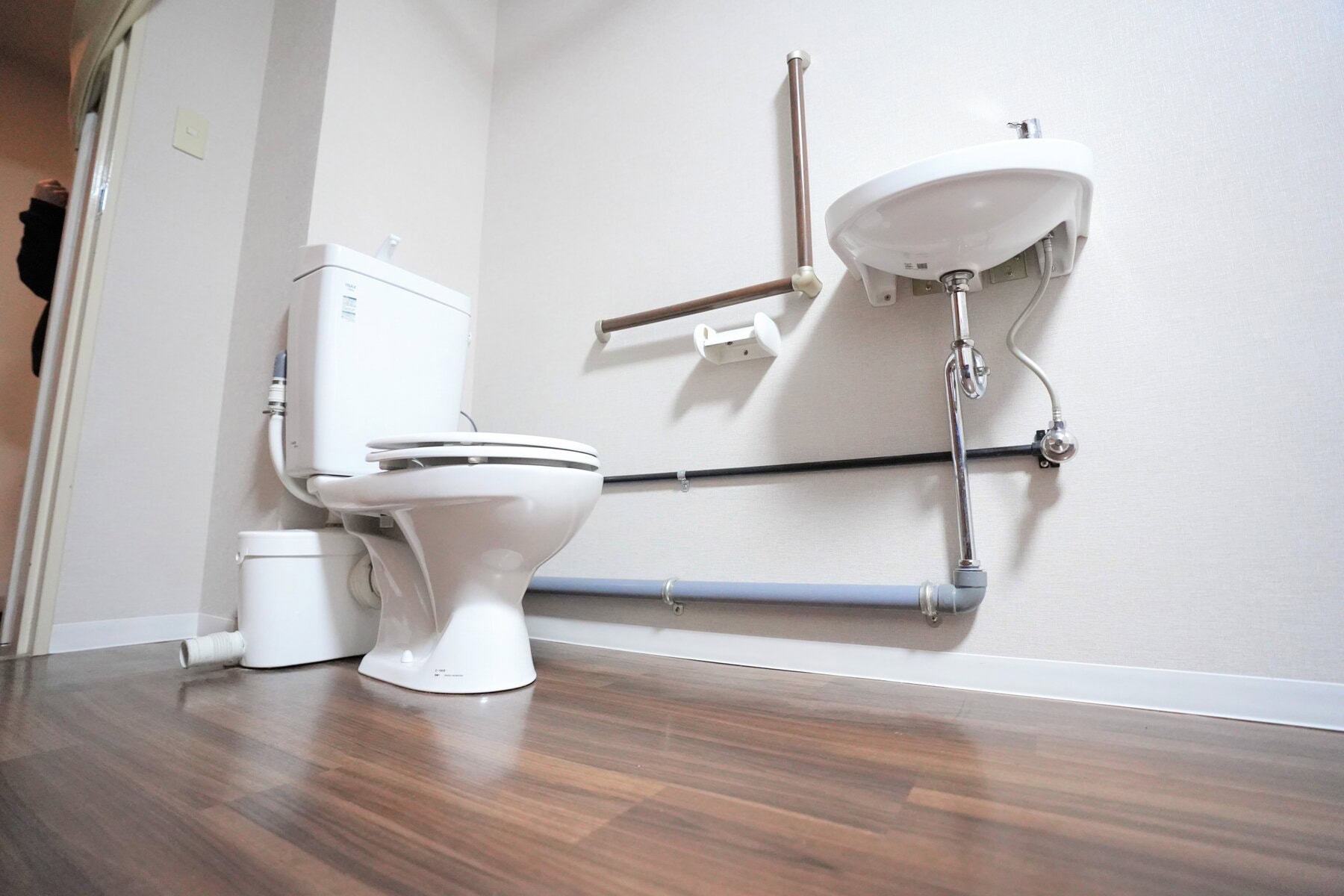
I see. That’s why the piping can run neatly along the wall without breaking up the floor.
Wait,
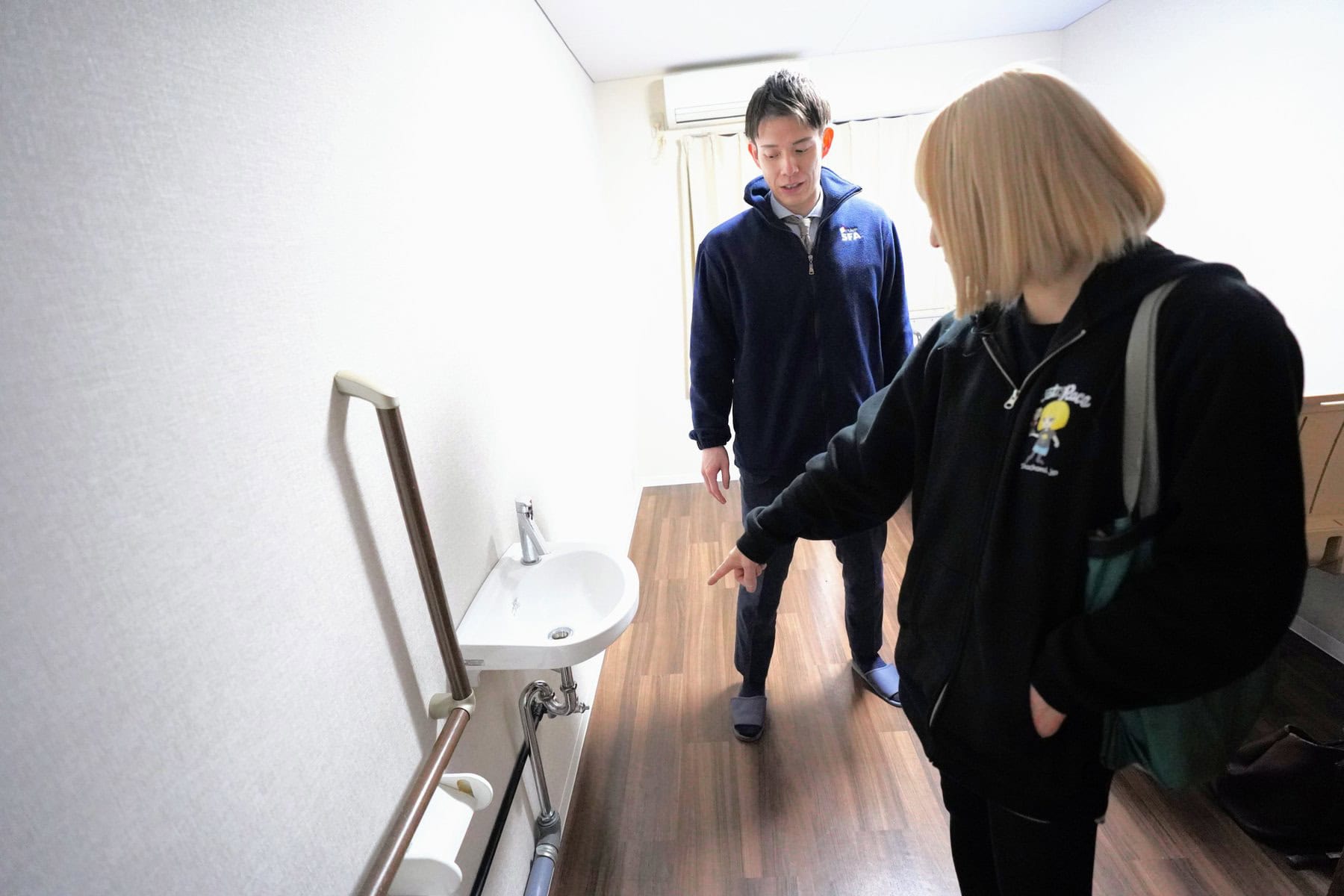
This hand-washing sink too?!